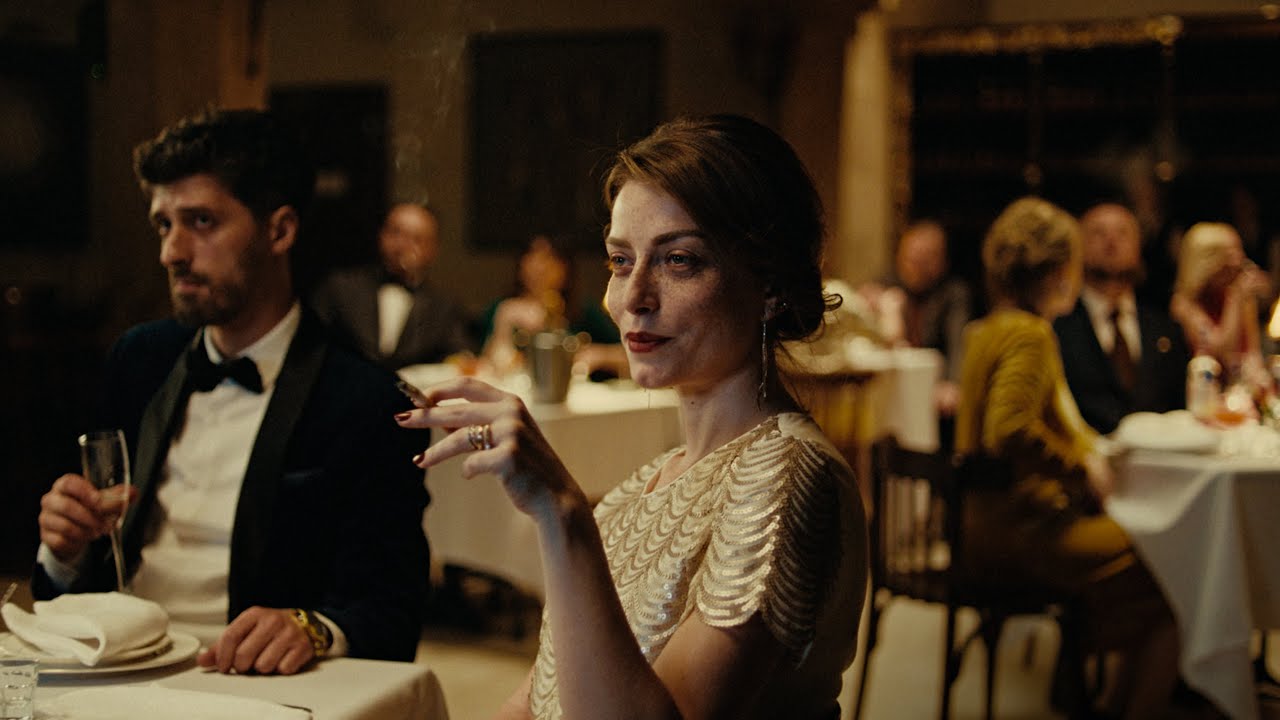
Goosebumps are a biological lie detector. While most advertising begs for a "like," these campaigns demand a moment of silence. They succeed not by being loud, but by being heavy.
In an industry obsessed with "engagement" and "click - through rates," these campaigns bypass the brain and go straight for the central nervous system. Look at Under Armour: Michael Phelps. It doesn't focus on the gold medals; it focuses on the "ice baths and the endless pool sessions" that no one sees. Most brands try to manufacture this feeling with a swelling piano track and a slow - motion filter, but the result is usually "sadvertising" - a cheap imitation of emotion that feels more like a guilt trip than an epic. The work in this collection is different. These ads don't beg for your attention; they command it through a "radical commitment" to craft and a refusal to look away from the uncomfortable truth.
Authenticity Is a Production Choice, Not a Buzzword
The difference between a good ad and a "goosebump" ad often comes down to what the director refuses to fake. Most agencies would CGI a stretching room, but for Apple Homepod: Welcome Home, Spike Jonze insisted on building "hydraulic systems" that physically moved the set in real - time. Similarly, Jamie Xx: Gosh achieved its haunting scale by bleaching the hair of "400 Chinese teenagers" and filming in a replica of Paris rather than relying on a digital crowd. This playlist stands out because it celebrates the "tactile over the technical." When the audience senses that what they are seeing actually happened in front of a lens, the emotional stakes instantly double.
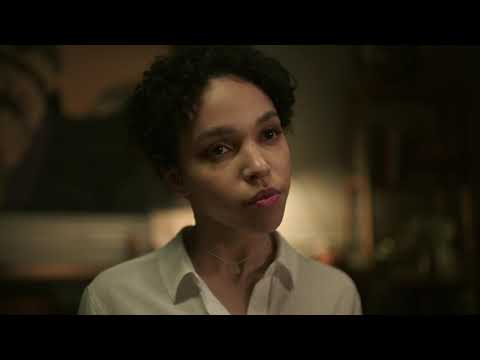
The magic happens when the risk is real. Nike: Dream Crazy was a "$6 billion risk" that required "two years of secret debates" before a single frame was shot. Most brands want the emotional payoff without the corporate gamble. They want the goosebumps without the threat of a boycott. This collection differs from our other playlists because it focuses on "consequence - led" storytelling. When Reporters Without Borders: The First Speech launched, the Russian government didn't just ignore it; they "blocked access to the RSF website" within days. That isn't a marketing metric - it is a validation of the work’s power. You don't get that reaction by playing it safe or using stock footage of smiling families. You get it by leaning into the "uncomfortable authenticity" that most focus groups would vote to kill in the first round.
The High Price of a Biological Reaction
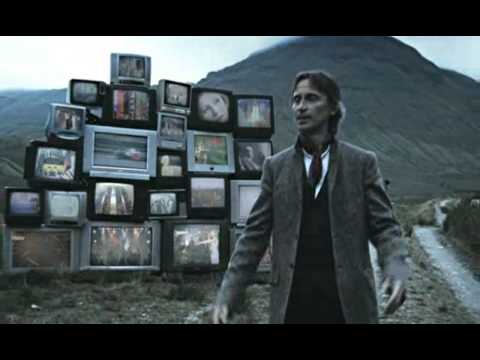
Then there is the "virtuosity of the long take." Most modern ads are edited for the attention span of a goldfish, with a cut every 1.5 seconds. But Johnnie Walker: The Man Who Walked Around the World gambled on a "6 minute, 20 second continuous tracking shot." There were no hidden cuts, just actor Robert Carlyle walking past a Highland cow and a wall of TVs. The production was a test of endurance that required "Take 40" to be captured just as the light vanished. That level of "unpolished" perfection is what creates the "stilled" atmosphere necessary for chills. It is a masterclass in brand myth - building that most agencies simply wouldn't have the patience to rehearse.
Finally, there is the matter of perspective. Channel 4: We're the Superhumans didn't just show disability; it redefined it through a "140 person band" and a "world-record cast." To get the rhythm right, the director created a "crap-o-matic" guide to map out the pacing before the expensive cameras even arrived. This is the "radical commitment" that separates the iconic from the forgotten. Whether it is the "kinetic rhythm" of The New York Times: The Truth Is Worth It or the "practical magic" of a stretching room, these ads share a refusal to take the easy way out. They prove that in an age of infinite scrolls and five - second skips, the only way to truly capture an audience is to make them feel something they cannot ignore. Goosebumps are the reward for brands brave enough to stop selling and start soaring.