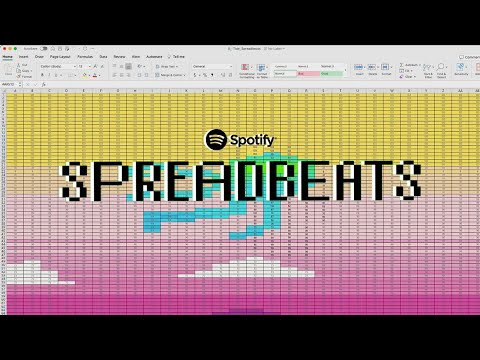
The entertainment industry is the only category where the marketing is judged by the exact same criteria as the product. If a car ad is boring, the car might still be fast. If a Netflix ad is boring, we assume the show is unwatchable. This playlist is a masterclass in "proof of play." Whether it is **Spotify - Spreadbeats** hiding a music video in a dull media plan or **HBO - Westworld - The Maze** building an 11,000 line voice - activated labyrinth, these brands don't ask for your time; they earn it by being more interesting than the content you were actually looking for. They understand that in a world of infinite scrolls, the only way to stop the thumb is to build a better thumb - trap.
Most publishers treat their "brand values" like a dusty plaque in the lobby. The icons in this collection treat them like a weapon. **The New York Times - The Truth Is Worth It** didn't just tell us journalism is hard; they showed us the "kinetic rhythm of the naked truth" by visualizing the grueling process behind a single headline. This campaign alone helped the paper gain one million new subscribers in 2019. Similarly, **SITGES - International Fantastic Film Festival of Catalonia - Chess** didn't rely on jump scares. They used a "haunting soundscape designed by Oído" and period - accurate 80s aesthetics to prove that tension is a craft, not a trope. This isn't just advertising; it is a high - stakes demonstration of the brand’s core competency.

Casting the Strategy, Not the Star
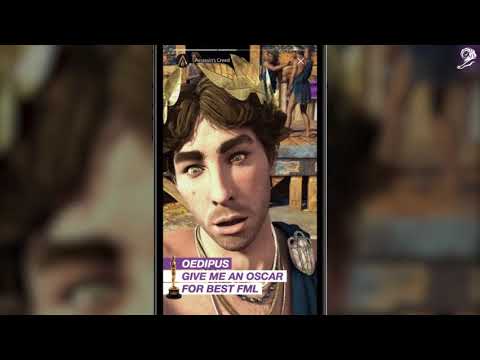
The fatal mistake most entertainment brands make is buying a celebrity and hoping for the best. The winners on this list use casting as a structural element of the idea rather than a decorative one. **Ubisoft - My Life As A NPC** didn't hire a movie star; they gave a voice to the background characters we usually ignore, using a "custom, lightweight motion capture and face - tracking rig" to map modern influencer tropes onto 3D assets. It turned a meta - joke into a viral engine that achieved an all - time high engagement rate. Even when the budget is zero, the commitment to the bit is total. Look at **Skinny - Phone It In**, which turned "takeaway coffee cups and strip club walls" into recording studios. They bypassed the million - dollar talent fees because they knew the "thrifty" aesthetic was the message. It is a sharp reminder that a clever legal hack or a well - placed bar coaster is often more memorable than a massive, forgettable media buy.
This playlist differs from our other libraries because the stakes are often existential. When **AnNahar - Newspapers Inside The Newspaper** physically embedded defunct titles into its own pages, it wasn't just a clever print execution - it was a "tribute in blood and ink" to the 17th anniversary of an assassinated editor. This is where the category moves from "Media" to "Monument." These brands aren't just selling monthly subscriptions; they are defending the right to exist in a fragmented culture. Whether it is **Columbia Journalism Review - The Fake News Stand** creating physical magazines out of the "100 most - shared lies of 2018" or **HBO Max - Raise Your Banners** rigging a 270 - foot inflatable dragon to the Empire State Building, these campaigns succeed because they refuse to stay on the screen. They spill over into the real world, forcing us to deal with them as physical facts rather than digital ghosts. By the time **The New York Times - NYT VR** mailed 1.3 million cardboard headsets to Sunday subscribers, the message was clear: if the medium is the message, the experience is the product. They don't just tell stories; they build the machines that let us live inside them.
In the attention economy, the loudest brand rarely wins - the one that builds the most immersive world does. If you aren't willing to risk the medium to save the message, you aren't in the entertainment business; you are just in the way.