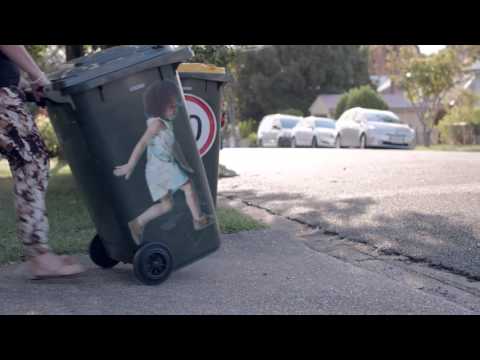
Advertising usually asks for a minute of your time; the campaigns in this collection give you five minutes of your life back. Most marketing is a tax we pay for being uninteresting, but the "Product as a Weapon" strategy treats the budget as an investment in infrastructure. Instead of shouting into the void, brands like IBM with IBM: Outdoor as Utility turned "visual pollution" into a "gift" for the city by bending sheet metal into benches and ramps. This is the Reciprocity Principle in action - proving a corporate philosophy by solving a physical frustration. Most brands fail here because they stop at the "stunt" level, creating something that looks like utility for a case study but breaks after two days. The entries here, like the ARSF: Life Saving Stickers, are visceral psychological triggers that function in the real world, turning mundane objects like wheelie bins into life - saving media real estate.
R&D is the New Copywriting
Making a "Product as a Weapon" requires a level of patience that would give a traditional Account Director a migraine. You aren't just writing a script; you are prototyping a solution. Look at Samsung: Touchable Ink, which required a "1.5 - year collaboration" with a chemistry department to ensure the ink wouldn't clog a printer. Or consider the Nike: Fuel Band, where the team produced a "staggering 779 decks" over two years of secret development. This isn't marketing - it's industrial design with a deadline. These campaigns stand out because they refuse to be "ghost" ads. They solve the "phantom braking" fears of critics or the "21 - year literacy deficit" addressed by Huawei: StorySign. They are iconic because the brand took the risk of building something that might actually fail in the hands of a consumer, rather than just failing to be noticed on a screen.

The genius of the Samsung: Safety Truck wasn't just the giant screens on the back of a rig; it was the engineering rigors of making them "IP56 certified" to survive rain and dust storms. This is where the craft separates the icons from the forgotten. Most agencies would have used a green screen and a prayer; Leo Burnett Buenos Aires went to the Roberto Mouras racing circuit to prove it worked in direct sunlight. This playlist differs from our others because the "creative technique" isn't a clever headline or a tear - jerker film - it is the "Unexpected Utility." Whether it is The Safety Lab: Hope Soap using a "Randomized Controlled Trial" to prove that a toy inside a bar of soap reduces respiratory infections by 75%, or IKEA: Thisables turning 3D - printable hacks into a global accessibility standard, the message is secondary to the function. This is utility - driven creativity at its finest, where the brand earns its place in the world by doing the work that traditional ads usually just talk about.
Solving Problems Is Cheaper Than Buying Impressions
We often hear that people hate ads, but people actually just hate being interrupted. When a brand becomes a tool, the "interruption" becomes an "invitation." Volvo: Life Paint didn't just win awards; it sold an estimated "1,013 Volvo cars" because it pivoted the safety narrative from the driver to the cyclist. It turned a spray can into a lead generator. Similarly, Doconomy: Do Black stopped being a credit card and became a "Paris Agreement at the POS," blocking transactions based on carbon footprints. These aren't just ads; they are business transformations. They prove that when you build a utility instead of a commercial, the earned media follows the product. You don't need a massive media buy when you've invented a "smart scale for gas tanks" like Mabe: Gascale that ends a specific, regional anxiety. The "weapon" here is the product itself, cutting through the noise by being undeniably useful.
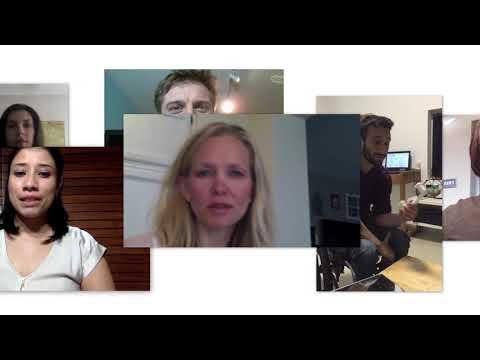
The final hallmark of this category is the refusal to be exclusive. While most marketing is about building a walled garden, the most iconic utility - driven campaigns are often open - source. IKEA didn't lock their accessibility hacks behind a paywall; they released the blueprints so anyone with a 3D printer could use them. Asha Ek Hope Foundation: Blink To Speak didn't build an expensive app; they created an "analogue guidebook" of eye movements that could be used in power - deprived regions. This selflessness is the ultimate brand flex. It says that the problem is so important that the brand is willing to give away the solution. In an era of skippable ads and ad - blockers, the only way to remain in the consumer's life is to become a tool they can't afford to throw away. By shifting from "telling" to "doing," these brands have built a form of equity that no 30 - second spot could ever buy. If you want to be remembered, stop talking about your values and start building them into the user's daily routine. The most powerful weapon in a brand's arsenal isn't a bigger budget - it's a better tool.