Google: Morse Code For Gboard
Google wanted to demonstrate its commitment to accessibility and inclusive design. They tasked Google Creative Lab New York with showing how their technology can empower individuals with disabilities. The goal was to highlight Gboard's new Morse code feature to an audience of developers, caregivers, and the general public, proving that Google builds for everyone.
Creative Idea
Integrated Morse code into a mainstream keyboard app to give voice to the voiceless.
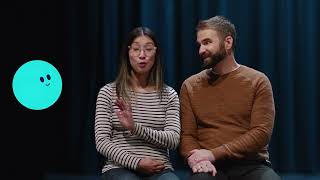
Google partnered with developer Tania Finlayson to integrate Morse code into Gboard, transforming a niche assistive technology into a mainstream accessibility tool that gives a voice to people with speech and motor impairments through their smartphones.
Creative Strategy Deconstructed
Company
Google's massive reach and Gboard's existing infrastructure for input methods.
Category
Tech companies often treat accessibility as a niche compliance checkbox rather than a core product feature.
Customer
People with speech and motor impairments want to communicate independently and efficiently using modern devices.
Culture
The growing demand for inclusive design that empowers marginalized communities through technology.
Company
Google's massive reach and Gboard's existing infrastructure for input methods.
Category
Tech companies often treat accessibility as a niche compliance checkbox rather than a core product feature.
Strategy:
Democratize specialized assistive technology by embedding it into ubiquitous digital tools to foster universal human connection.
Customer
People with speech and motor impairments want to communicate independently and efficiently using modern devices.
Culture
The growing demand for inclusive design that empowers marginalized communities through technology.
Strategy:
Democratize specialized assistive technology by embedding it into ubiquitous digital tools to foster universal human connection.
Results
The campaign successfully integrated Morse code into Gboard for iOS and Android, making it a standard feature for millions of users. It transformed a niche assistive technology into a mainstream accessibility tool. The initiative included the launch of a dedicated Morse code typing trainer and a specialized website (g.co/morse) to facilitate learning. The project was recognized at the 2019 Cannes Lions International Festival of Creativity, winning a Gold Lion in the 'Brand Experience & Activation' category and a Silver Lion in 'Mobile'. The campaign video 'Morse code is my voice' achieved significant reach on YouTube, contributing to Google's brand perception as a leader in inclusive design and assistive AI technology.
Gold
Cannes Lion in Brand Experience & Activation
2
Major mobile operating systems (iOS & Android) integrated
100%
Free accessibility for users with motor impairments
Strategy Technique
Build an Utility, Not an Ad
Instead of just talking about inclusion, Google built a functional tool that solved a real communication barrier, proving their commitment to accessibility through product innovation rather than just messaging.
Explore Technique
Creative Technique
Unexpected Utility
By adding Morse code to a mass-market app, Google turned a specialized communication method into a widely available digital tool, providing life-changing utility for users with limited mobility.
Explore Technique
Craft Breakdown
This campaign excels by humanizing complex technology through a deeply personal narrative, turning a functional software update into a profound story of human empowerment.
The seamless integration of Morse code into a global keyboard app represents a masterclass in inclusive UX and utility-driven design.
Leveraging AI and mobile hardware to create a low-latency, accessible communication interface for those with limited motor functions.
The creation of the Morse typing trainer gamifies the learning process, making an intimidating skill accessible to the general public.
The film's pacing perfectly mirrors the rhythmic nature of Morse code, creating an emotional resonance between the viewer and Tania's experience.
“The magic lies in the intersection of high-end software engineering and empathetic storytelling, proving that 'big tech' can solve deeply individual human problems.”