
Sports marketing is the last bastion of unapologetic elitism. While every other category is currently tripping over itself to be "relatable," "inclusive," and "kind," the great sports brands realize that we do not buy sneakers to be average. We buy them because we harbor a secret, twitchy desire to crush the person in the next lane. This collection is not a gallery of athletic achievements - it is a study in how to monetize the darker, more obsessive corners of the human psyche. These campaigns do not just move product; they move the goalposts of what a brand is allowed to say about the human condition.
Most brands fail here because they mistake "sport" for "wellness." They show happy people jogging into sunsets with a vague smile. Iconic work like Nike: Winning isn’t for everyone | Am I a bad person? does the exact opposite. By utilizing the "frantic, aggressive movements of Beethoven’s Symphony No. 9," the production creates a deliberate irony that celebrates the "villainous" traits of elite winners. It works because it recognizes a truth that focus groups usually hate: elite performance is a lonely, selfish, and often ugly business. This is not about being a "community" - it is about being the one who finishes first while everyone else is still tying their laces.
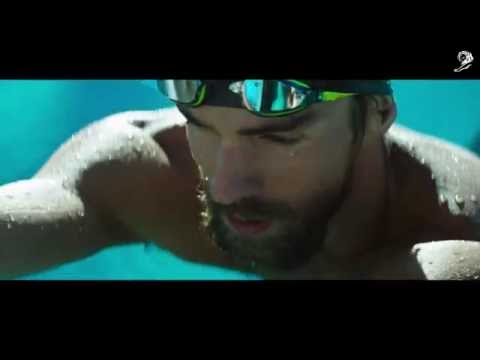
This commitment to the psychological cost of greatness requires a level of craft and risk that most agencies simply cannot afford. Look at Under Armour: Michael Phelps. Instead of another montage of gold medals and cheering crowds, director Martin de Thurah focused on the "dark" hours of solitary training. There were no stunt doubles here. To ensure total authenticity, Phelps performed every grueling task himself, even "growing a beard specifically for the shoot" to enhance the raw, unpolished look of an athlete in the depths of a training cycle. It turned a sportswear ad into a haunting psychological profile, proving that the most decorated Olympian in history is driven by something much heavier than just a love for the water.
Infrastructure is the New Narrative
What makes this specific lens unique is the shift from storytelling to "storydoing." The best sports brands have realized that a 30 - second spot is a fleeting interruption, but a piece of urban utility is a permanent brand ritual. Gatorade: Turf Finder did not just tell kids to play; it "analyzed 15 - 20 years of historical Google Maps traffic data" to identify predictably vacant urban hubs and turn them into temporary pitches. Similarly, Nike: Unlimited Stadium bypassed traditional media to build a "lunar footprint" in the middle of Manila. By using RFID sensors and an LED screen made of "1,680 interlaced screens," they allowed runners to race against digital avatars of their own personal bests. This is not advertising - it is the creation of a high - tech playground that forces the consumer to interact with the brand’s DNA through sweat.

These campaigns succeed because they bridge the gap between "phygital" innovation and raw human emotion. They turn the brand into a facilitator of potential rather than just a manufacturer of rubber and mesh. Whether it is Adidas: Runner 321 turning a bib number into a "global standard for Trisomy 21" or Nike: Write the Future hiring a roster of Oscar - winning cinematographers to treat a football match like a cinematic epic, the common thread is a refusal to be ignored. These brands do not just join the cultural conversation; they hijack the medium to create their own reality. They spend more on a single director or a piece of custom - built tech than most brands spend on an entire quarter of media, and the result is work that stays in the memory long after the shoes have worn out. In a world of safe, beige marketing, these are the brands still willing to bleed for the win.
Ultimately, this playlist proves that the most effective way to sell a product is to sell a belief system. These campaigns take the "Just Do It" ethos and apply it to the marketing itself - taking $6 billion risks on polarizing figures or building entire stadiums out of light just to see if they can. They remind us that in sport, as in advertising, there is no prize for participating. You either move the culture, or you are just noise.