Nike: Winning Isn't Comfortable
Nike faced declining brand equity and competition from niche running brands. Wieden + Kennedy Portland needed to reclaim Nike's position as the definitive authority in running culture. The goal was to move beyond digital performance ads and create an emotionally resonant campaign for serious marathon runners that celebrated the grit and 'unfiltered reality' required to win.
Creative Idea
Showed the morning - after agony of marathon runners to prove that winning is physically uncomfortable.
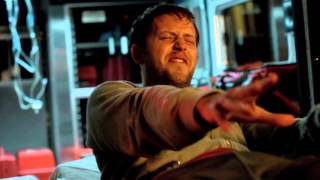
Nike celebrated the grueling physical aftermath of a marathon by showing runners struggling with everyday movements like stairs, proving that true victory requires enduring extreme discomfort, effectively reclaiming the brand's voice as the authentic partner for serious athletes.
The Marathon Commercial Where No One Runs
A Strategic Pivot to Brand Storytelling
After years of prioritizing digital performance marketing, Nike used this campaign to reclaim its "sharper and bolder" voice. The strategy successfully countered rising competition from niche brands like Hoka and On by leaning into an "inside joke" for the running community. The campaign reached over 850 million global views, driving a massive 90% spike in searches for Nike running products. Data from Zappi indicates the spot resonated particularly well with younger audiences, scoring in the top 35% for brand equity potential among viewers under 35.
The Craft of Physical Agony
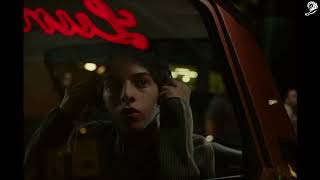
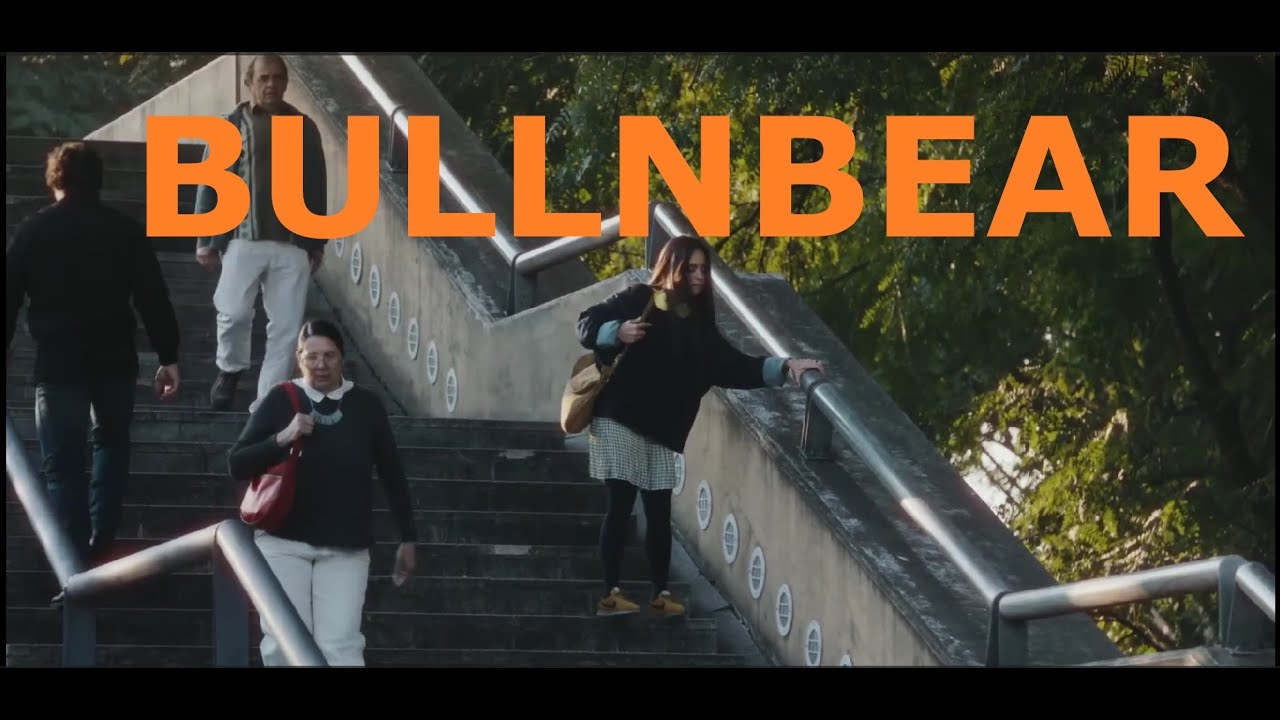 Directed by the French collective MEGAFORCE and captured by Academy Award nominated DP James Laxton, the production utilized locations in Buenos Aires and Los Angeles. To achieve an authentic, documentary-like feel, the team employed a "smartphone-style" cinematography approach that mimicked user-generated content. Ironically, for a high-budget Nike running commercial, the film features zero running. Instead, the focus remains entirely on the "day-after" reality of sore quads and the inability to navigate a flight of stairs.
Nazareth and the Unfiltered Reality
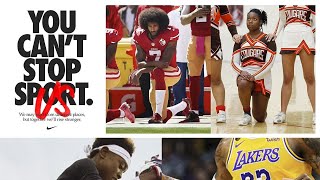
The film’s relatable tone is anchored by the 1976 power ballad "Love Hurts" by Nazareth, which blares from a taxi radio as runners struggle to move. While the broader "Winning Isn't for Everyone" anthem featured the voice of Willem Dafoe, "Stairs" opted for everyday runners to maintain a grounded, gritty atmosphere. This "unfiltered reality" was further pushed through OOH billboards featuring provocative copy such as: "If you don't hate running a little, you don't love running enough."
Creative Strategy Deconstructed
Company
Nike possessed a legacy of bold storytelling and a deep, historical connection to the raw reality of competitive sports.
Category
Most sports categories focus exclusively on the glory of the finish line, the sweat - less victory, and performance aesthetics.
Customer
Runners feel a secret sense of pride in their post - race pain, viewing muscle soreness as a tangible trophy.
Culture
A global shift where athletes crave authentic, unfiltered representations of sport over polished, unattainable perfection and corporate performance ads.
Company
Nike possessed a legacy of bold storytelling and a deep, historical connection to the raw reality of competitive sports.
Category
Most sports categories focus exclusively on the glory of the finish line, the sweat - less victory, and performance aesthetics.
Strategy:
Validate the grueling physical toll of achievement to reinforce the brand as the authentic partner for dedicated athletes.
Customer
Runners feel a secret sense of pride in their post - race pain, viewing muscle soreness as a tangible trophy.
Culture
A global shift where athletes crave authentic, unfiltered representations of sport over polished, unattainable perfection and corporate performance ads.
Strategy:
Validate the grueling physical toll of achievement to reinforce the brand as the authentic partner for dedicated athletes.
Strategy Technique
Use Hyper-Specificity
Hyper-specificity highlights the marathon's brutal reality - showcasing the exact, painful struggles runners face post-race to resonate deeply with dedicated athletes. This authentic portrayal reinforces Nike's commitment to the grit behind athletic achievement.
Explore Technique
Creative Technique
Dramatize the Problem
The ad humorously exaggerates the physical agony of post - marathon muscle soreness to validate the runner's struggle. By focusing on the painful aftermath rather than the race, it creates an authentic 'inside joke' for the community.
Explore Technique
Craft Breakdown
The ad excels through its relatable observational comedy and perfect casting, turning the post-marathon 'waddle' into a badge of honor.
The physical performances of the actors perfectly capture the specific, recognizable stiffness of post-marathon muscle soreness.
The use of dramatic opera creates a humorous juxtaposition with the mundane, painful movements of the characters.
“The synergy between the slow-paced physical comedy and the high-drama operatic score elevates a simple observation into a grand celebration of effort.”