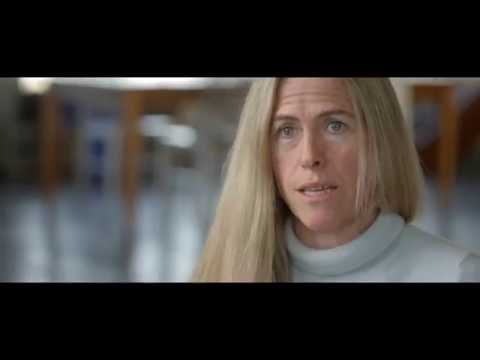
Most advertising is a desperate attempt to look busy. We distract the audience with high - frame - rate slow - motion or expensive celebrity cameos because we lack a fundamental point. But the campaigns in this collection operate on a different frequency. They don't ask for attention; they command it by articulating a truth you already knew but hadn't quite named yet. This is the realm of "Pure Insight" - where the strategy is so sharp that the execution could be a crayon drawing and it would still move the needle.
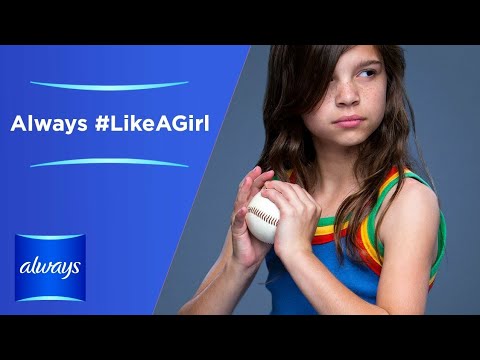
These seventeen campaigns share a refusal to hide behind "vibes." While other playlists celebrate technical wizardry, this selection is about the logic of the human animal. Whether it is the realization in Dove: Beauty Sketches that we are our own worst critics, or the "hangry" truth of Snickers: You're Not You When You're Hungry, these ads rely on a single, unexpected sentence. This is difficult because most brands prefer the safety of a generic "we care" message. These brands, however, found a "social by design" directive - like the two - sentence brief a P&G executive reportedly drafted on an airplane for P&G Always: Like a Girl - and stayed the course.
Execution matters, but here it serves as a humble delivery vehicle for the truth. Take Heinz: Pass The Heinz. It didn't need a 4K render of a ketchup bottle. By using a "famously rejected fictional ad pitch from Mad Men," the brand proved that the consumer's imagination does the heavy lifting when the insight is solid. Most ads fail because they try to do too much, layering feature upon feature until the core message is buried under a pile of corporate synergy. These iconic campaigns do the opposite; they strip away the fluff until only the bone remains. They are "atomic bombs" of strategy, simple enough to be summarized in one sharp, uncomfortable sentence that changes how you view a category forever.
Buying a Truth Is Cheaper Than Buying a Trend
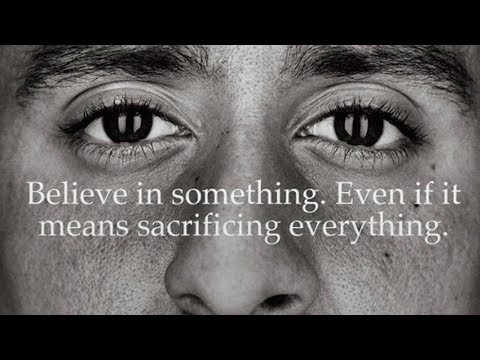
The reason these campaigns aren't forgotten is that they involve a level of commitment that makes most CMOs break out in hives. Truly pure insights are often uncomfortable. They require taking a side or exposing a flaw. Nike - Dream Crazy wasn't just a pretty picture; it was a "shrouded in extreme secrecy for nearly two years" gamble that initially saw stock prices dip before adding $6 billion to Nike’s market value. This isn't just advertising; it's a structural intervention. Look at the Down syndrome "321" bib initiative. It wasn't a one - day stunt; the agency developed a toolkit so the bib could be integrated into the registration software of every major marathon. It’s the difference between a brand saying they care and a brand changing how the world works.
Unlike campaigns that rely on a fleeting meme, these ideas have a half - life measured in decades. They become "mental shortcuts" for the category. When you see Isaiah Mustafa on a horse, you think of Old Spice: The Man Your Man Could Smell Like, even though the "physics of a one take miracle" involved a crane physically pulling walls away in real - time. The insight - that women buy 60% of male body wash - turned a dusty brand into a cultural juggernaut. This collection isn't about what's new; it's about what's true. It’s the "Aha!" moment that happens when a brand finally stops talking about itself and starts talking about us. It is the rarest thing in the industry: a message too resonant to ignore.
If you can't explain the strategy in one sentence that makes someone's eyebrows go up, you don't have an insight. You just have a budget.