Most advertising is a temporary resident in the consumer's brain, paying rent in media dollars until the lease expires. But a movement? That is a permanent squatter. The campaigns in this collection represent the moment a brand stops asking for a transaction and starts demanding a transformation. It is the difference between selling a product and engineering a cultural shift that people feel a moral obligation to join.
Engineering the Infrastructure of Belief
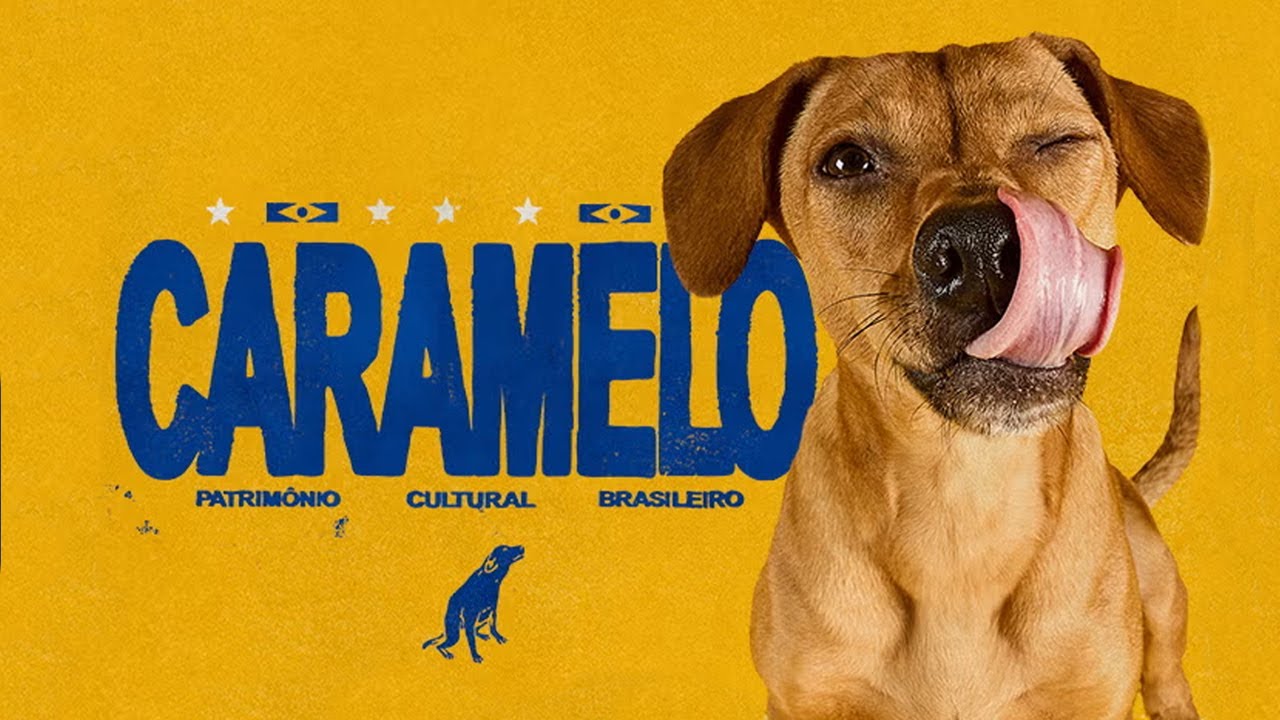
What unites these examples is a refusal to play by the rules of "awareness." Instead of shouting about features, they identify a cultural friction point and pour gasoline on it. They don't just support a cause; they build the infrastructure for it. Take American Express: Small Business Saturday, which moved from concept to national execution in a "three week sprint" to claim a holiday. It was not a discount; it was an economic rescue mission. Similarly, Pedigree: Caramelo did not just run a standard adoption ad; it used genetic science to give Brazil's mixed-breed mutts an official pedigree, turning a stray into a status symbol that challenged national prejudice.

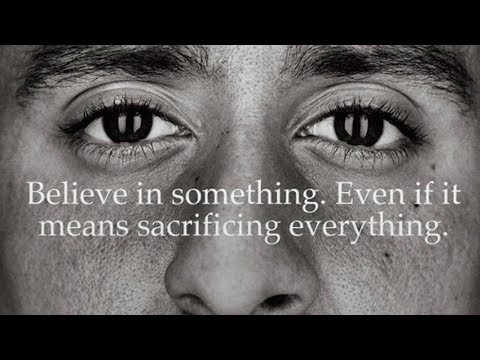
Iconic movements require a "sacrilegious" move that makes the legal department sweat. Most brands fail here because they want the viral lift without the bruises of a fight. We see the opposite in Hemoba / Esporte Clube Vitória: MY BLOOD IS RED AND BLACK, which stripped the red stripes from a sacred football kit to force blood donations. Nike: Dream Crazy spent "two years of secret debates" weighing the risk of Colin Kaepernick before launching a tweet that polarized a nation. They did not blink when critics burned their shoes; they knew a brand that stands for everything stands for nothing. This commitment extends to the technical craft, like IWitnessBullying.org: I am a Witness hacking the Unicode system with a "Zero Width Joiner" to create a custom emoji, or WWF: Ant Rally using "high - precision laser-cutting" to turn 500,000 ants into tiny activists.
This playlist differs from standard "purpose" marketing because these brands don't just talk - they create a medium for participation. It is the difference between a hashtag and the "sea of orange" t-shirts in Tui Beer: Catch a Million, where fans became human billboards to bypass a daytime TV ad ban. Most brands treat a cause like a costume they can take off after awards season, but these campaigns succeed because they treat the movement as the brand's new DNA. By turning a message into a product or a protest, these brands stop being vendors and start being leaders of a tribe that refuses to look away.