
Road safety ads used to be a race to spray the most corn syrup blood on a windshield. But fear is a fleeting motivator; once the commercial break ends, the lead foot usually returns. The campaigns that endure succeed because they trade the "splat" for the "soul," moving past gore to find the poetic or the practical.
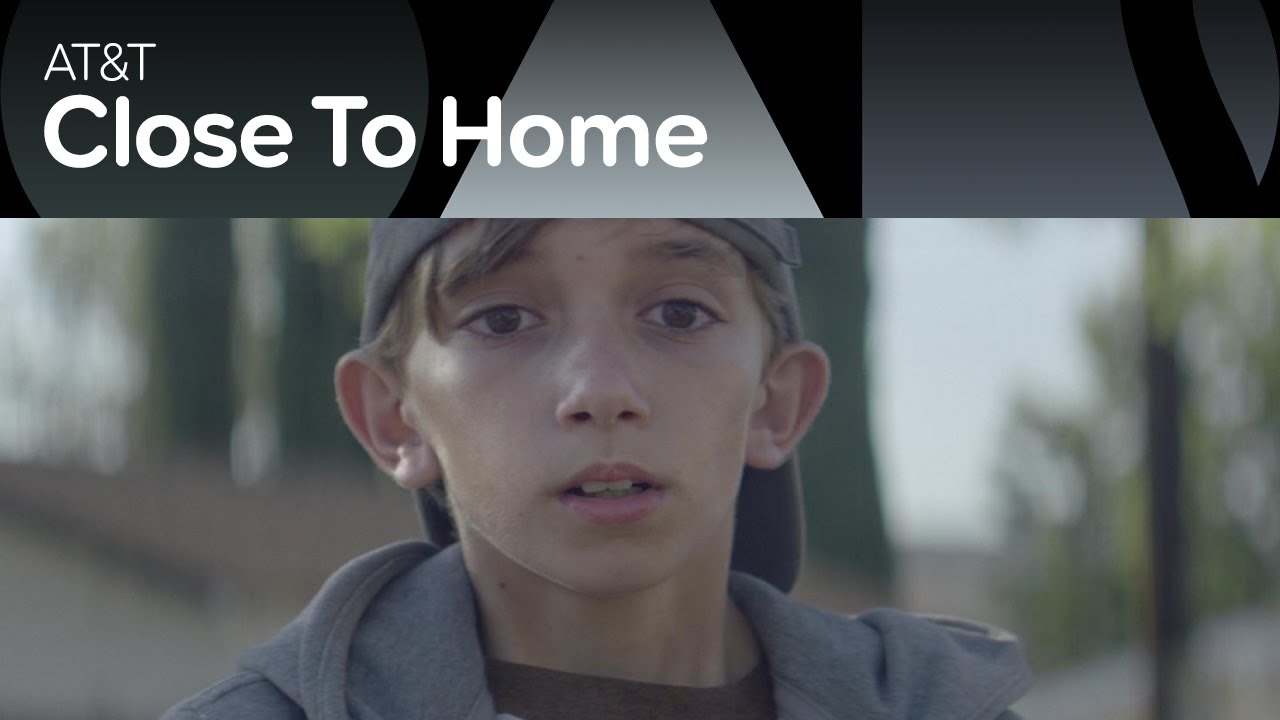
Take AT&T: Close To Home, where director Frédéric Planchon used a reverse sequence to deconstruct the "fatal weight of a single glance." By showing the accident "un-happening," the film forces viewers to confront the preventable nature of distraction. It avoids jump-scares for a nightmare atmosphere, making the viewer feel the agonizing second where a life changes forever.
While many brands rely on cheap CGI, the most iconic work here leans into high-end craft. The legendary Embrace Life: SeatBelt used "93,000 watts of lighting" and glitter to turn a living room into a slow-motion sanctuary. Similarly, Mexian Insurance Association: Discussion avoided digital shortcuts by building a custom office set just to "obliterate it with practical rigs." These ads understand that a rendered explosion is just a movie, but a tactile, physical impact feels like a memory. By dramatizing the invisible, they bypass our "that won't happen to me" defense mechanism.
Trading The Stick For The Crayon
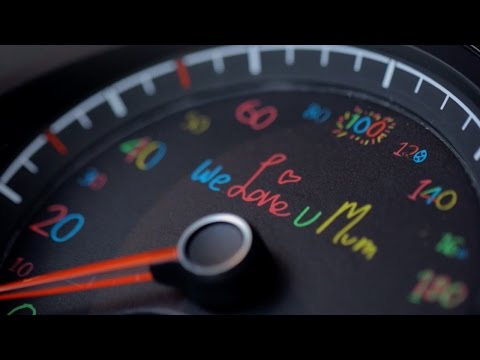
The shift from "shock" to behavioral "nudges" is the smartest evolution in this category. VW: Reduce Speed Dial ditched the scary voiceover for "hand-drawn digits from children," effectively turning the dashboard into an emotional speed bump. A parent is much less likely to hit 110kmh when their daughter's vibrant crayon heart marks the legal limit. This is a psychological intervention that uses love, rather than the police, as the primary deterrent.
Beyond the screen, the best strategies transform the physical world into a safety tool. Whether it's Samsung: Safety Truck using "IP56 certified displays" to turn trailers transparent or Volvo: Survivor Sales Agents replacing brochures with "actual head X-rays," these ideas are undeniable. They move safety from a technical spec to a visceral necessity. Even Global Road Safety: SMS Last Words found power in the mundane, displaying recovered phones to show that a final text is rarely profound - it's usually just "What's for dinner?" This shift to real-world utility makes these campaigns impossible to ignore. Great safety work doesn't yell; it makes the alternative so vivid you lift your foot off the gas instinctively.