
Nostalgia is a lazy marketer's favorite drug, but most use it like a cheap filter rather than a structural beam. They mistake "retro" for "meaningful." True weaponized nostalgia doesn't just reference the past; it settles old scores or resurrects an emotional spark that modern efficiency accidentally killed.
Validation Is More Expensive Than Reach
Take Hasbro: Dungeons & Dragons: The Lost Episode, where the team endured a "302-day stop-motion marathon" to give fans forty years of closure. This isn't just an ad; it's a debt repayment. It respects lore enough to manually modify action figure joints for fluid movement. Similarly, Dramamine - The Last Barf Bag "acquired a collection of 7,000 bags" to turn a nausea pill into a cultural icon. These brands validate the obsessive subcultures that kept them relevant.
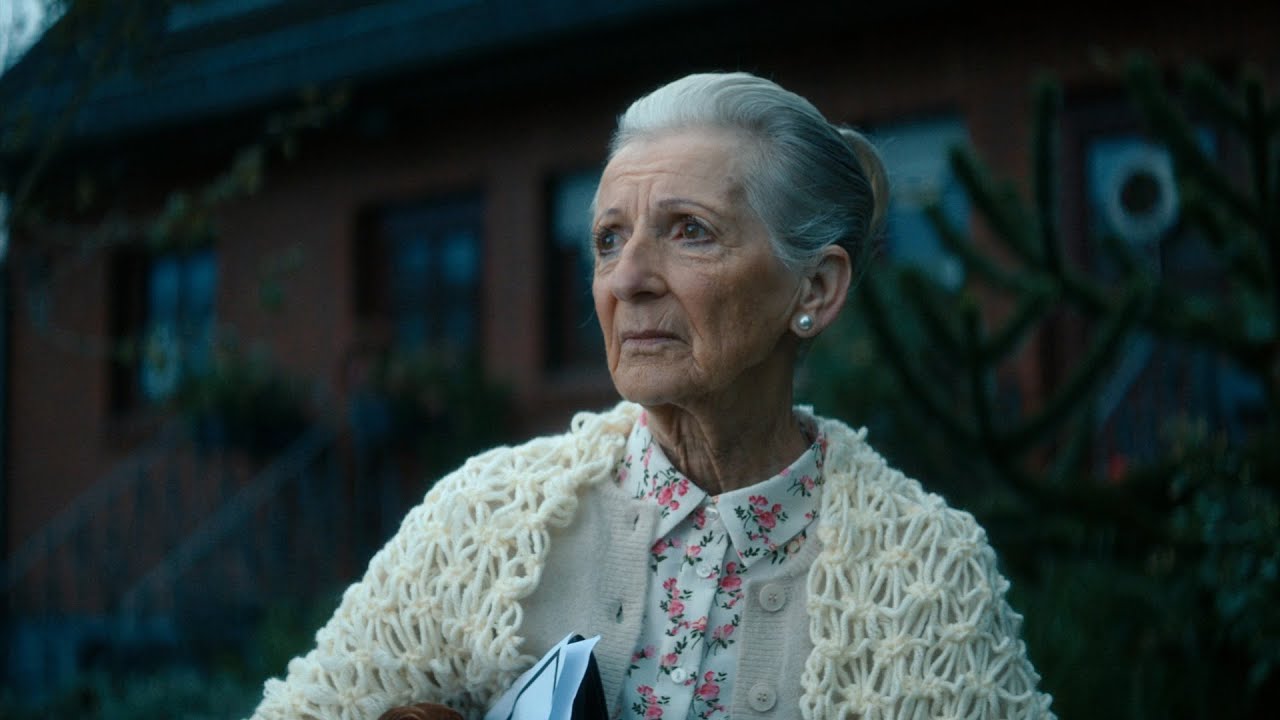
Most "throwback" ads fail because they lack the guts to commit to the bit. They want the 1980s aesthetic but with 2024’s safety-first production. Compare that to Levi’s: Laundrette, which single-handedly "ended the era of traditional Y-front briefs" because a censorship board forced a last-minute switch to boxers. Or look at Volkswagen: Bring back the energy, a "legacy sequel twelve years in the making" that brought back the same red Golf and the same "Hoonigan Grandma" to prove that electric cars still have a soul. Even Bank of America: Portraits understood this, using "special Panavision lenses to emulate 1930s film" to de-age a brand that had lost public trust.
The goal isn't to live in the past, but to use it as a launchpad. When McDonald’s: The Adult Happy Meal x Cactus Plant Flea Market gave a streetwear designer "unprecedented creative control," they weren't just selling nuggets; they were reclaiming the "Share the Pen" philosophy for a generation that grew up on plastic toys. It’s the same energy that saw Barbie: How The 'Barbie' Movie Took Over The World trigger a "global shortage of fluorescent pink paint." These campaigns succeed because they treat heritage as a living asset, not a dusty archive.
They prove that moving forward means reminding the audience you were there all along. Nostalgia is only a weapon if you sharpen the blade with high-stakes craft. Without the risk, it is just a history lesson nobody asked for.