Consumer goods are the hardest category to get right because we use them while our brains are on autopilot. Most FMCG ads try to scream for attention with "new and improved" claims that nobody believes, but the campaigns that actually stick are the ones that stop pretending a tube of lotion or a roll of toilet paper is a life - changing miracle and start treating it as a canvas for human behavior. This playlist is a collection of brands that have realized the product is the least interesting part of the story - it is the way we interact with it, break it, or obsess over it that creates the magic.
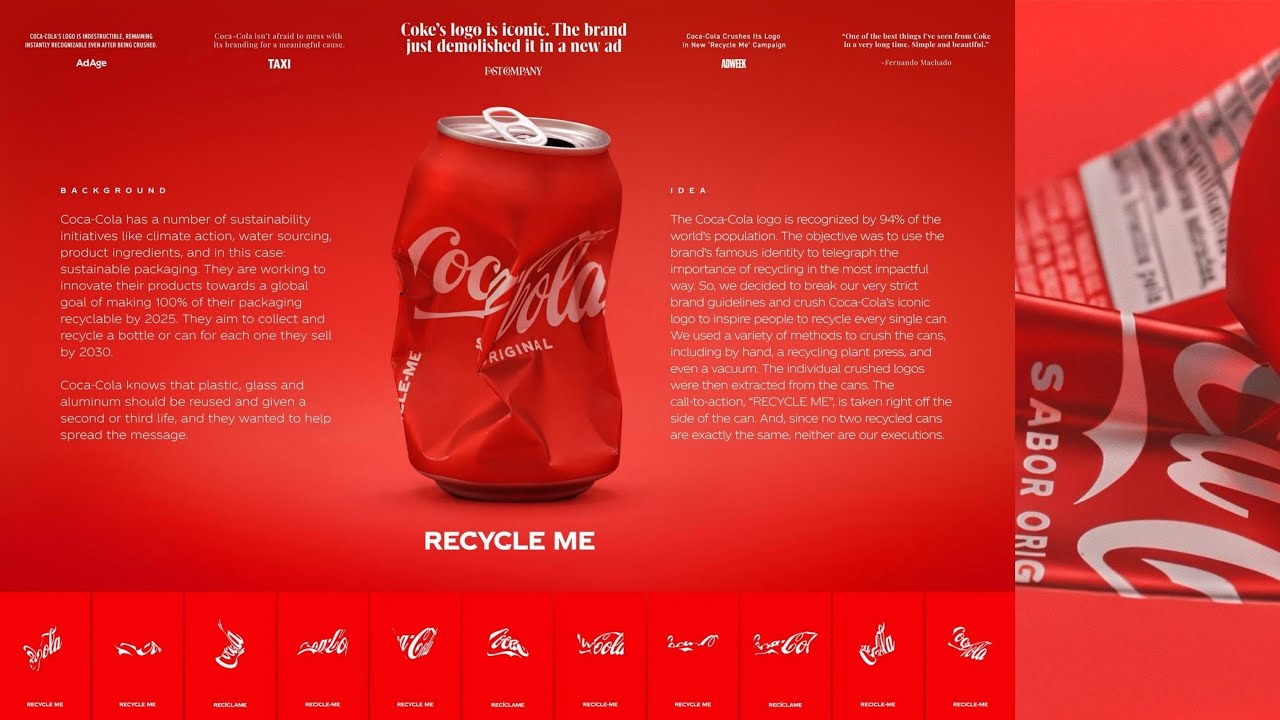
The biggest mistake in this category is the "pristine logo" trap. Brands spend millions protecting their visual identity only to find that perfection is forgettable. In Coca-Cola: Recycle Me, the brand proved that its equity is so deep it can survive being physically crushed under a vacuum press. It is a masterclass in brand recognition that ignores the standard marketing playbook. This isn't just about being "bold" - it is about the "analogue authenticity" of using real cans rather than CGI to prove that a logo known by 94% of the world doesn't need to be tidy to be iconic. This same logic applies to the shift from ads to "utilities" - products that solve a problem the consumer didn't even know they had. Take Nivea: The Protection Ad, which turned a simple magazine page into a Bluetooth tracking bracelet for parents on a crowded beach. By embedding a low - energy chip into waterproof paper, they achieved a "62 percent sales surge in Rio" because they solved a visceral human fear rather than just selling SPF.

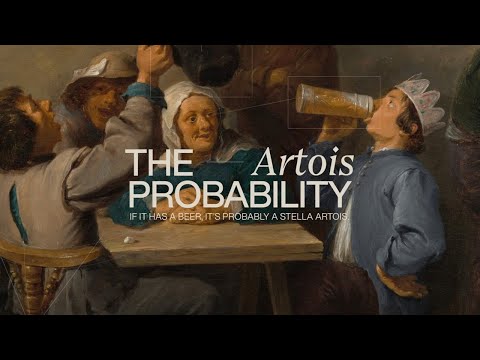
The secret sauce in these campaigns is a willingness to be weirdly specific. Most agencies try to appeal to everyone and end up appealing to no one. But when Stella Artois - The Artois Probability used an algorithm to calculate a "78% probability" that a beer in a 1567 painting was a Stella, they turned a history lesson into a global conversation. They didn't just claim heritage; they "hacked six centuries of art history" with data. This kind of commitment to a bit - whether it is calculating liquid hues in oil paintings or Oreo: OREO SQUARE COOKIE forcing people to bite a round snack into a square to unlock a Minecraft game - is what separates a "campaign" from a cultural moment. It requires a level of craft and what some call "Rethink speed" that most corporate approval chains would suffocate. By the time participants had engaged for an average dwell time of "2 minutes and 57 seconds," the brand had already moved past a simple product trial into a shared digital experience.
The Irrationality of High - Stakes Mundanity
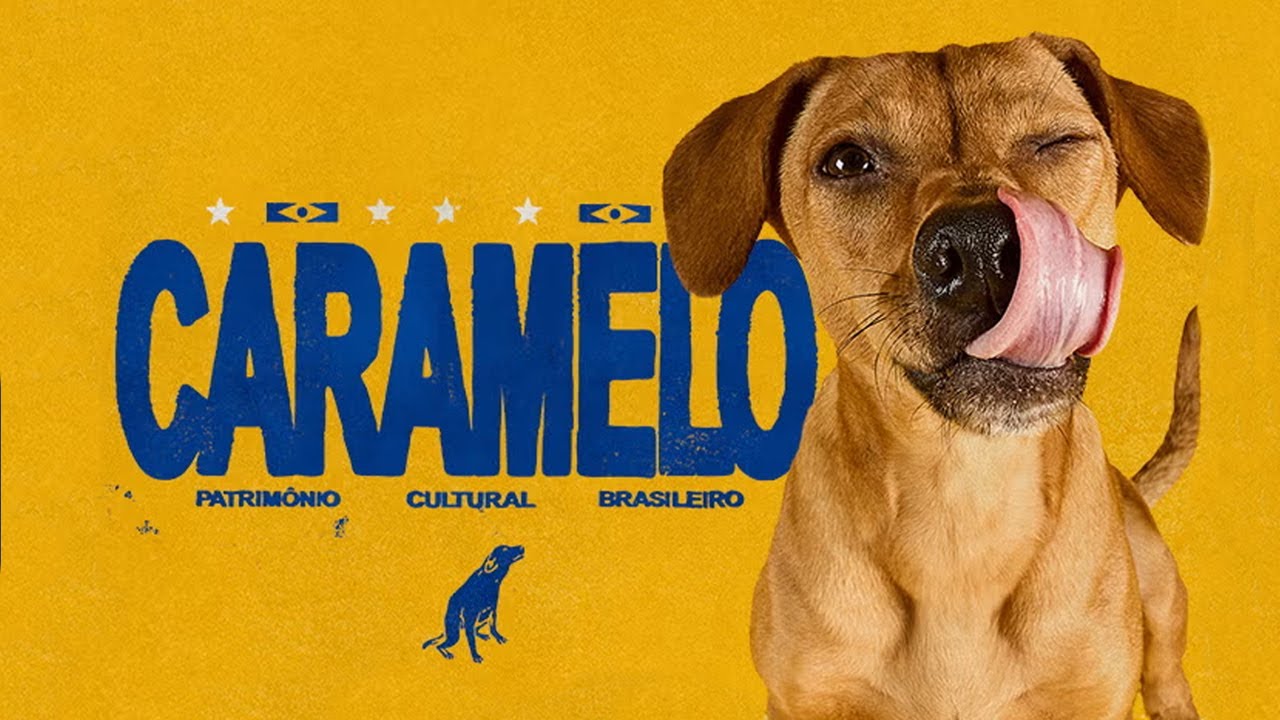
There is also the art of the "reverse - engineered" strategy, where the brand leans into the internet's own insanity rather than trying to police it. CeraVe - Michael CeraVe took a seven - year - old Reddit conspiracy theory and turned it into a Super Bowl punchline, proving that the best way to talk about dermatologist - backed skincare is through a month - long viral prank. By hiring cult directors like Tim & Eric to lean into the "absurdist direction," the brand generated "32 billion impressions" by simply refusing to take itself seriously. We see a similar elevation of the "lowly" in Pedigree: Caramelo, where the agency "AlmapBBDO" used letterpress art and genetic science to give Brazil's mixed - breed dogs an official status. This isn't just advertising; it is the act of turning a brand into a movement by fighting prejudice or validating a consumer's "irrational" love. These campaigns prove that the most boring products - toothpaste, soap, or beer - can become the most interesting thing on the internet if the brand is willing to trade its corporate dignity for a genuine human connection.
The common thread here is a refusal to accept the "commodity" label. These campaigns prove that when you are selling something people buy every week, the biggest threat isn't a competitor's price point - it is the consumer's indifference. By turning "sun - faded store awnings" into a poetic tribute or "recycling requests" into a global design language, these brands earn a place in the culture rather than just a spot on the shelf. They understand that a "savory lozenge" that sells out in eight minutes is worth more than a decade of traditional couponing. Ultimately, the brands in this collection aren't just selling products; they are selling a reason to look twice at the things we usually ignore. They prove that with enough craft and a bit of commitment, even a roll of toilet paper can be the most interesting thing in the room. In the end, great consumer goods advertising isn't about the product; it's about the friction between the object and the person using it.