CeraVe - Michael CeraVe
CeraVe tasked Ogilvy PR with a Super Bowl campaign to dramatically elevate brand awareness and sales. The client wanted to powerfully reinforce CeraVe’s dermatologist-developed origin, cutting through Big Game clutter to become the most talked-about brand. The goal was to generate unprecedented earned media and drive significant sales growth among a broad, digitally-engaged audience.
Creative Idea
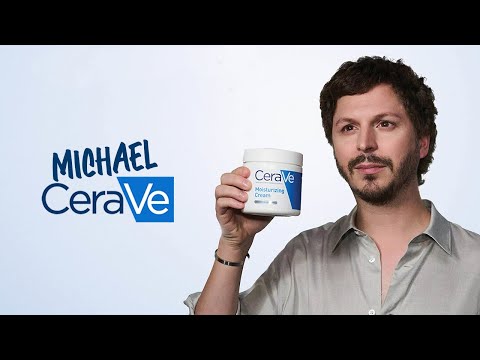
CeraVe launched a fake conspiracy that Michael Cera developed the brand, then debunked it to prove its dermatologist origins.
CeraVe created a viral marketing campaign pretending that actor Michael Cera developed the skincare brand. The three-week prank, which involved 450 influencers, built suspense until the Super Bowl commercial revealed the truth that CeraVe was actually developed by dermatologists.
The Conspiracy That Sold 32 Billion Impressions
A Seven Year Reddit Theory
The campaign was sparked by a long - standing Reddit conspiracy theory suggesting Michael Cera owned the brand due to the phonetic similarity of their names. To capitalize on this, Ogilvy PR and WPP Onefluence executed a "reverse - engineered" strategy. Instead of the Super Bowl being the start of the conversation, it served as the punchline to a month - long viral prank. The "leak" began in a Brooklyn pharmacy where Cera was spotted signing bottles, followed by "paparazzi" shots of him carrying massive bags of lotion through Manhattan.
Absurdist Direction by Tim and Eric
To lean into the weirdness of the internet, the brand hired cult - favorite directors Tim & Eric (Tim Heidecker and Eric Wareheim) to helm the Super Bowl spot. Dean Fleischer Camp, director of *Marcel the Shell with Shoes On*, also contributed to the creative direction. The production utilized Cera’s lack of social media to build mystery, sending "bootleg" PR boxes to influencers like Bobbi Althoff and Caleb Simpson with Cera’s face taped over the logo.
Breaking the Skincare Playbook
While competitors like Rhode and Fenty launched celebrity - led lines, CeraVe used a celebrity to mock the trend. Global Brand Manager Melanie Vidal noted they "spread a lie to reveal a product truth" - that CeraVe is developed with dermatologists, not Michael Cera. The results were historic: 32 billion earned impressions, a 25% sales lift, and the brand’s highest - ever moisturizer sales week. The campaign even integrated into the cultural zeitgeist as a Jeopardy! clue and the top Halloween costume of 2024.
Creative Strategy Deconstructed
Company
CeraVe is a science-first brand built on ceramides and dermatologist expertise, possessing a 'serious' reputation and a name that perfectly mirrors actor Michael Cera's surname.
Category
The skincare category relies on earnest clinical claims or glossy celebrity endorsements, while Super Bowl ads typically focus on expensive one-minute spots rather than month-long narrative builds.
Customer
Modern audiences are cynical toward traditional advertising but crave the community and engagement found in 'inside jokes,' internet sleuthing, and participatory viral mysteries.
Culture
The digital zeitgeist is driven by 'stan' culture and absurd celebrity memes, where audiences actively reward brands that can lean into the weirdness of internet lore.
Company
CeraVe is a science-first brand built on ceramides and dermatologist expertise, possessing a 'serious' reputation and a name that perfectly mirrors actor Michael Cera's surname.
Category
The skincare category relies on earnest clinical claims or glossy celebrity endorsements, while Super Bowl ads typically focus on expensive one-minute spots rather than month-long narrative builds.
Strategy:
Weaponize internet lore and celebrity puns to make 'boring' clinical expertise the ultimate punchline of a viral prank.
Customer
Modern audiences are cynical toward traditional advertising but crave the community and engagement found in 'inside jokes,' internet sleuthing, and participatory viral mysteries.
Culture
The digital zeitgeist is driven by 'stan' culture and absurd celebrity memes, where audiences actively reward brands that can lean into the weirdness of internet lore.
Strategy:
Weaponize internet lore and celebrity puns to make 'boring' clinical expertise the ultimate punchline of a viral prank.
Strategy Technique
Exaggerate to Reveal the Truth
The campaign exaggerated a false origin story with Michael Cera. This absurdity dramatically revealed and reinforced CeraVe's true dermatologist-developed foundation.
Explore Technique
Creative Technique
Prank
The campaign used a three-week fake-out with Michael Cera as the founder. This prank built suspense and shocked audiences, culminating in a Super Bowl reveal of the dermatologist-developed truth.
Explore Technique