Most advertising is a sterile petri dish where every smile is focus-grouped into oblivion and every reaction is storyboarded months in advance. But the human experiment category operates on a different frequency; it trades the safety of the script for the volatility of the real world, turning the audience into the protagonist and the brand into a silent observer of our collective psyche. These campaigns don't just sell a product - they stress-test a human truth to see if it holds up under pressure.
Advertising usually functions on a command and control model, but these campaigns thrive on the unpredictable. When Burger King: Whopper Virgins traveled to remote villages in Greenland and Thailand, they weren't just looking for a taste test; they were looking for an "untouched palate" that hadn't been saturated by western marketing. To ensure the experiment remained pure, the production team had to haul a "custom-made portable broiler" via sleds and boats to ensure the food was identical to the restaurant experience. This isn't just a shoot; it's a documentary mission. Most brands would have faked it in a studio in Burbank, but the authenticity of an unscripted reaction is a currency that can't be minted by a casting director. It requires a willingness to let the experiment fail if the results don't go your way, which is exactly why the footage feels so jarringly real.

To make these experiments land, the production design must be invisible yet absolute. You aren't just filming a scene; you are building a reality. In Ecuador Ministry of Transport: Blind Trip, the agency used a "location-based broadcaster" to scramble mobile signals so travelers would see Costa Rican network providers on their phones, maintaining the illusion that they had left the country. Similarly, Tui Beer: Plumbing Prank turned a builder’s home into a surveillance set with "14 hidden cameras," including a specialized "shoe cam" to catch the exact moment the victim realized his kitchen tap was pouring cold lager. This level of technical commitment is what separates a viral stunt from a category-defining experiment. When you manipulate the physical environment this thoroughly, the reaction you get isn't acted - it is a visceral reflex that bypasses the viewer's cynicism. It is the difference between a brand telling a joke and a brand building a punchline out of plumbing and kegs.
The Moral Laboratory
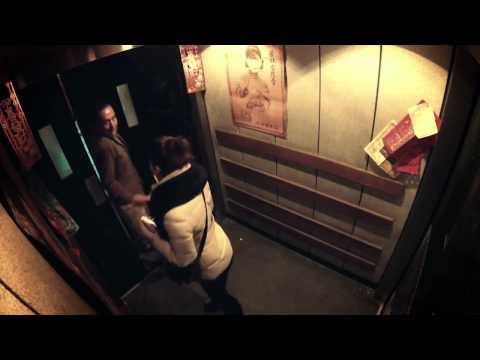
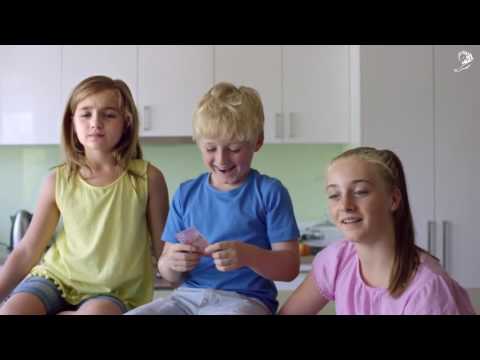
The best experiments don't just ask "what happens if?" - they ask "who are you really?" This is where the category moves from entertainment into cultural mirrors. Carlsberg: Putting Friends to the Test didn't just sell beer; it audited the loyalty of every man in that cinema. This theme excels when it attacks a cultural blind spot, as seen in the ANZ Bank: Pocket Money films. By paying boys more than girls for the same household chores, the bank captured a "raw, unscripted outrage" that no manifesto film could ever replicate. Director Celeste Geer focused on the "kitchen table" relatability of the issue, turning a dry statistic about the gender pay gap into a viral moment of moral clarity. These campaigns succeed because they stop being ads and start being evidence. They provoke a reaction from the world that the world then has to reckon with, making the brand feel like a necessary participant in a difficult conversation.
The final ingredient in the experiment's success is the audacity to lean into the weirdness of the internet. In an era of deepfakes, the prank has to be more meta to survive. CeraVe - Michael CeraVe is a masterclass in this, starting as a "seven-year Reddit conspiracy theory" and ending with Michael Cera signing bottles in a Brooklyn pharmacy. By hiring cult directors like Tim & Eric, the brand signaled they were in on the joke, using absurdist humor to "exaggerate to reveal the truth" about their dermatologist origins. This commitment to the bit - even sending "bootleg" PR boxes to influencers - shows that the experiment isn't just about the film; it's about the entire ecosystem of the lie. When a brand is willing to look ridiculous to prove a point, the audience stops feeling marketed to and starts feeling like they are part of the club. It’s a high-stakes play for attention that only works if you never break character.

Ultimately, these campaigns work because they respect the audience's intelligence enough to let them draw their own conclusions. Whether it’s Coca-Cola: Try Not To Hear This using macro photography to trigger a "neurological phenomenon known as synesthesia," or a bank proving pay inequality through a child’s tears, the brand is always the facilitator, never the star. Most marketing tries to fill the silence with a sales pitch, but the human experiment relies on the silence between the stimulus and the response. It is a high-stakes gamble on the fact that human nature is more interesting than any copywriter’s imagination. By the time the logo appears, the audience hasn't just watched a commercial - they’ve witnessed a truth. If you want to be remembered, stop trying to write the perfect script. Build a trap for the truth instead, and then have the courage to film what happens when it snaps shut.