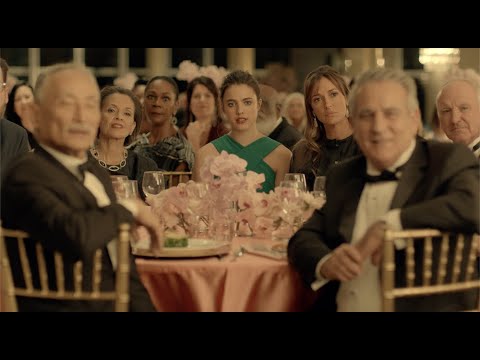
Logic is a safety net that most brands use to accidentally strangle their own potential. In the world of creative strategy, we are taught to find a "reason to believe," yet the most iconic campaigns often succeed precisely because they give us a reason to doubt our own sanity. This collection represents the "WTF" tier of advertising - work that doesn't just break the rules, but acts as if the rulebook was written in a language it never bothered to learn. While the average brand is terrified of being misunderstood, these campaigns understand that being "sensible" is just another word for being invisible. Take Kenzo World: My Mutant Brain, which replaced the ethereal, whispering tropes of luxury fragrance with a woman possessed by chaotic, aggressive energy. It didn't ask for permission; it demanded an emotional reaction. Similarly, Skittles: Tim turned a magical candy power into a haunting existential curse, proving that the more a brand leans into risk, the more the audience leans in to listen. The production was so intense that "local police arrived to shut down the set" during the final minutes of filming, a testament to the friction required to create something truly transcendent.
The Strategic Suicide of the Safe Choice
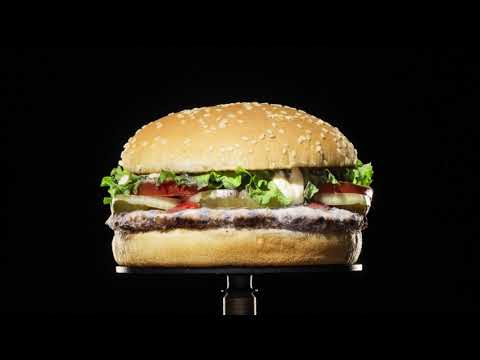
The through-line here isn't just "weirdness" - it is the absolute commitment to a singular, uncomfortable truth. Most brands attempt "quirky" marketing but dilute the idea in focus groups until it is merely a slightly eccentric version of a standard ad. The campaigns in this library, however, choose a lane and floor the gas pedal. When Burger King: The Moldy Whopper decided to show a decomposing burger, they didn't use CGI to make the rot look "palatable." They ran simultaneous "rot tests in Sweden, Miami, and Spain" for over 30 days to capture the authentic, jarring visual of real food getting ugly. It was a radical strike against the "immortal burger" myth, proving that transparency is more valuable than appetite appeal. This same commitment is found in IKEA: Pee Ad, which turned a magazine page into a functional medical diagnostic. It took "nearly twelve months of research and development" with a biotech startup to make urine-reactive paper work at scale. These brands didn't just have a weird idea; they had the stomach to execute it with high-fidelity craft that makes the absurdity feel undeniable.
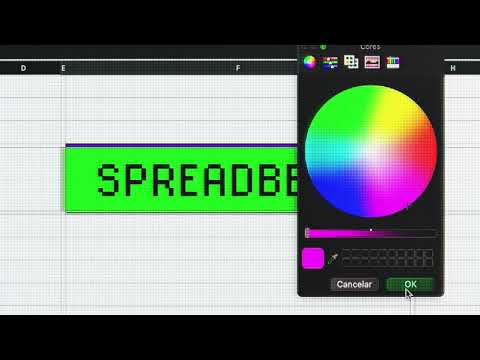
This playlist differs from other creative libraries because it prioritizes the "how" over the "why." While a utility-focused playlist might look for a clear consumer benefit, these campaigns often find power in the friction between the product and its environment. Look at Spotify: Spreadbeats, which chose to launch a high-energy music video inside the most boring place on earth: a functional Excel spreadsheet. To pull this off without crashing systems, the team used a "1970s rendering technique called Quad Tree" and ASCII art, syncing audio within a 5-15 millisecond margin. It is a masterclass in hijacking a medium to attack a boring truth. This same spirit of "hacking the system" drove Coinbase - Less Talk, More Bitcoin. They spent $14 million on a Super Bowl slot only to air a bouncing QR code that looked like a 1990s DVD screensaver. It was a shoestring $100,000 production that crashed the app within seconds. These ads stand out because they treat the viewer's attention as a prize to be won through surprise, rather than a commodity to be bought through repetition.
Ultimately, the "WTF" approach is about creating a parallel world where the brand's logic is the only law. Whether it is the unhinged, analog-horror universe of Nutter Butter: Nutter Butter, You Good? or the surreal Kyiv landscapes of A$AP Rocky: Tailor Swif, these campaigns build immersive lore that demands participation. Nutter Butter’s strategy of "deep-fried" graphics and cryptic messaging was so effective that the total time spent watching their content added up to "45 years of collective human attention" without a single cent of media spend. This is where casting and location become strategic weapons; A$AP Rocky’s video, filmed just two months before the invasion of Ukraine, utilized practical in-camera effects to create a "panoramic fever dream" that felt more like art than an advertisement. These campaigns are iconic because they didn't blink. They understood that in an era of infinite scroll, the only thing more dangerous than being weird is being predictable. Logic is for the logistics department; magic belongs to the misfits who are brave enough to be inexplicable.