Diesel: Deisel - Go with the Fake
Diesel challenged Publicis Milan to reclaim its status as a provocative cultural rebel during New York Fashion Week. Facing a market saturated with 'logomania' and rampant counterfeiting, the brand needed to engage cynical Gen Z and Millennial fashionistas. The goal was to prove that Diesel's quality transcends its label while staying true to its 'Go With The Flaw' brand platform.
Creative Idea
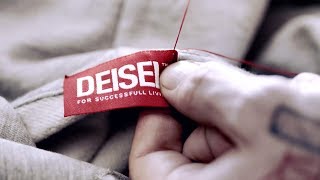
Diesel opened a misspelled 'DEISEL' pop-up selling authentic clothes as cheap Canal Street knock-offs.
Diesel opened a 'DEISEL' pop-up in New York's counterfeit district, selling authentic high-end apparel disguised as cheap knock-offs. It worked by subverting the industry's obsession with logos, rewarding those who valued quality over brand spelling during Fashion Week.
Selling the Truth on Canal Street
The Banksy inspired sting
The production team took a page from Banksy’s 2013 Central Park stunt, setting up a "shabby" storefront at 419 Broadway in the heart of New York’s counterfeit district. To maintain total authenticity, the shop was staffed by improv actors playing the role of aggressive street hustlers. While the "DEISEL" logo was a deliberate misspelling, the clothes were high - end, one - of - a - kind pieces crafted by the brand’s actual design team.
Surveillance from two doors down
Director Andrew Lane and the creative team, including Andy Bird, operated out of a hidden command center two doors away. They monitored live feeds to capture the organic skepticism of shoppers. The ultimate irony was the "brain tease" of the sales pitch - staff told customers the items were real, but because of the $20 - $60 price point and the location, buyers assumed they were scoring "high - quality fakes."

From knock off to collector item
The campaign reached over 500 million people and generated 50 million video views. When the brand finally revealed the stunt on February 13, the remaining stock sold out online in minutes. The secondary market impact was immediate - items originally purchased for $40 on the street began surfacing on eBay for upwards of $500. The "DEISEL" misspelling was so successful that founder Renzo Rosso eventually integrated the "fake" logo into official permanent collections, turning a brand flaw into a permanent asset.
Creative Strategy Deconstructed
Company
A rebellious brand identity built on celebrating imperfections and a 'Go With The Flaw' philosophy.
Category
High-end fashion brands aggressively protect their logos and sue counterfeiters to maintain an image of perfection.
Customer
Fashion-conscious consumers who were becoming cynical about 'logomania' and the inflated prices of status symbols.
Culture
The rise of 'ironic fashion' and the massive global market for counterfeit goods in urban centers.
Company
A rebellious brand identity built on celebrating imperfections and a 'Go With The Flaw' philosophy.
Category
High-end fashion brands aggressively protect their logos and sue counterfeiters to maintain an image of perfection.
Strategy:
Subvert category elitism by intentionally devaluing the brand's visual identity to reward genuine product appreciation.
Customer
Fashion-conscious consumers who were becoming cynical about 'logomania' and the inflated prices of status symbols.
Culture
The rise of 'ironic fashion' and the massive global market for counterfeit goods in urban centers.
Strategy:
Subvert category elitism by intentionally devaluing the brand's visual identity to reward genuine product appreciation.
Results
The 'DEISEL' store sold out in 24 hours. The limited edition items also sold out on Diesel.com within hours, 3 times in a row. Resellers were flipping 'DEISEL' items on eBay for as much as $500. The campaign generated 55 million social media impressions and 400 million global media impressions. Fakes of the 'DEISEL' fakes even started appearing online.
400M
global media impressions
24h
store sold out
3x
online sell-outs
Strategy Technique
Turn Weakness Into Strength
Instead of fighting the $461 billion counterfeit market with legal threats, Diesel embraced it. By creating its own 'fake,' the brand transformed the industry's biggest threat into a viral celebration of its 'Go With The Flaw' philosophy.
Explore Technique
Creative Technique
Screw It Up Intentionally
By intentionally misspelling its own iconic logo, Diesel leaned into the counterfeit culture it usually fights. This self-deprecating 'flaw' turned a brand-damaging problem into a limited-edition badge of authenticity for savvy fashion insiders.
Explore Technique
Craft Breakdown
This campaign's brilliance lies in its subversive use of branding and experiential marketing to turn a business threat into a massive PR win.
The creation of a fully functioning, authentic-looking knock-off shop in the heart of NYC's counterfeit district was a masterstroke of experiential marketing.
The clever use of the misspelled 'DEISEL' logo and the 'Go With The Flaw' tagline perfectly encapsulated the brand's bold and subversive attitude.
“The synergy between the physical activation and the digital reveal created a powerful narrative that resonated across social and traditional media.”