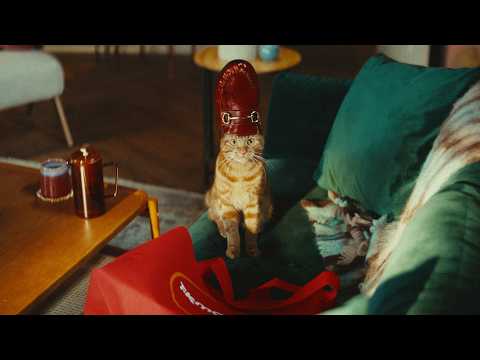
Most fashion advertising is a sea of hollow cheekbones and expensive lighting, but the campaigns that actually move the needle are the ones that treat the product as a punchline or a political statement. From cats in loafers to nuns in denim, these brands understand that relevance is earned through tension, not just media spend. They leverage what strategists call the Relative Advantage - the ability to outsmart competitors by trading on social currency. It is the difference between being a brand that people buy and a brand that people talk about while they are buying something else.
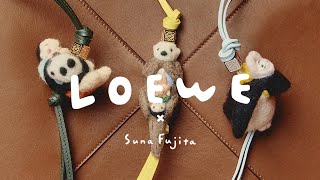
These campaigns stand out because they refuse the "safe" path of CGI and stock demographics. When Loewe: Loewe x Suna Fujita wanted to showcase ceramic art, they did not just render it; they spent weeks on "needle - felted wool" stop - motion to mirror the physical craft of the products. This commitment is what prevents these ads from being forgotten by the next scroll. Most brands fail because they treat production as a cost to be minimized. But as seen in Lacoste: Crocodile Inside, where directors literally dismantled a Parisian apartment, the visceral reality creates an emotional weight that no green screen can replicate.
There is a specific kind of bravery required to sabotage your own brand for a point. Diesel: Go With the Fake did not just mock the counterfeit industry; they "trademarked the misspelled DEISEL name" and sold real clothes in a "shabby" Canal Street stall. By leaning into the flaw, as seen in Diesel: Go With the Flaw - which famously involved "deleting its entire Instagram history" to 1.2 million followers - the brand proved that authenticity is not about being perfect; it is about being honest enough to be ugly. This is a far cry from the usual luxury retail playbook of airbrushed skin, proving that radical irony can drive deeper engagement than broad, boring appeal. It turns a consumer into a co - conspirator.
The High Cost of Looking Effortless
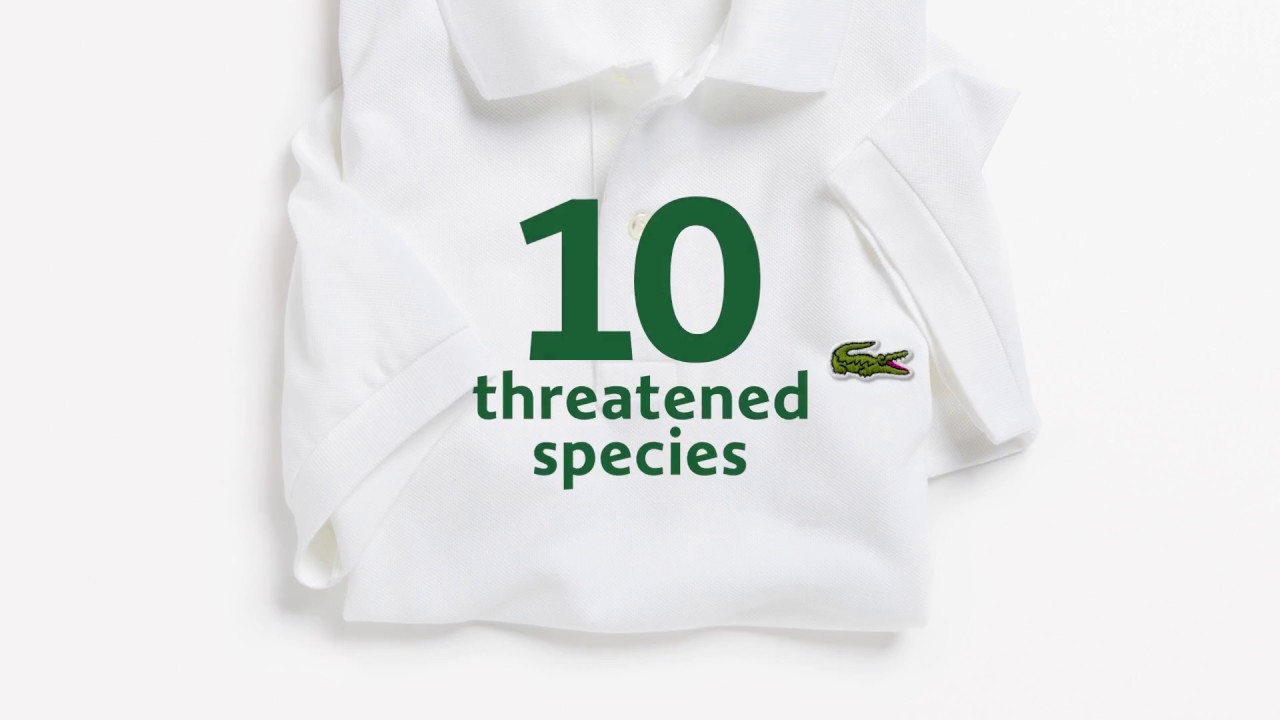
Beyond the stunts, these brands solve modern problems with creative utility. Carlings: Address the Future tackled the "buy - photo - return" cycle by selling digital - only skins for real life, using "green energy" to render 3D blueprints. It turned a sustainability crisis into a product line. Similarly, Lacoste: Crocodile-Free turned brand identity into a conservation megaphone, replacing their iconic logo with ten endangered species. They did not just talk about the environment; they "overhauled its production line" to create ten entirely new embroideries using the same thread density as the original. This is strategy as drama, where the data dictates the manufacturing. It is a masterclass in how a brand can move beyond commerce to become a hero in a much bigger fight.
Why Real Directors Hate Focus Groups
Iconic fashion ads often rely on what Nordstrom: An Open Mind Is The Best Look calls the "happy accident." During that shoot, the script was "scrapped for a theater teacher" because her improvisations were more arresting than the agency copy. That willingness to follow the truth of the moment - whether it is a man dressed as "Jesus" staring at models in Levi's: Rear View Girls or the "silent, black and white aesthetic" of Levi's: Watch Pocket - is what makes this work feel human. These campaigns do not just sell a fit; they capture a cultural truth that makes the commercial success feel like an inevitable byproduct of the art. They invite the audience into a story where the product is a supporting character in a much more interesting life.
The through - line here is a rejection of the middle ground. These brands are not afraid to be weird, misspelled, or intentionally scarce. They understand that in a world of infinite choice, the most valuable thing a fashion brand can own is a point of view that people are willing to defend. Commercial success follows the culture, not the other way around.