Most inclusive advertising feels like a mandatory HR seminar - well-intentioned, slightly dry, and instantly forgettable. The campaigns in this collection survive because they treat equality not as a "topic" to be checked off, but as a structural truth to be revealed or a cultural blind spot to be attacked. They move past the "representation as a favor" phase of marketing and enter the "representation as a competitive advantage" era. By making the invisible visible, these brands didn't just win awards; they moved the needle on everything from market share to national legislation.
Emotional Hacking and the VFX of Truth
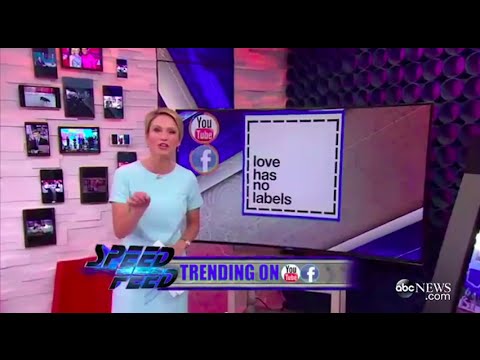
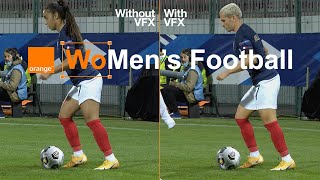
The common mistake brands make is assuming that showing a diverse cast is enough to change a mind. It isn't. To actually shift culture, you have to bypass the viewer's rational prejudice. Look at Orange: WoMen's Football. Instead of asking fans to please respect the women's game, they used "Emotional Hacking" to trick them into it. The team at Les Artisans du Film spent "five months on meticulous masking and tracking" to map male stars' faces onto female players' bodies. By the time the reveal happened, the bias was already broken. This isn't just an ad; it's a technical heist. Similarly, Ad Council: Love Has No Labels didn't just preach; it used "17 sensors and Xsens MVN motion-capture suits" to turn relationships into skeletons. It forced a coalition where "Coca-Cola, PepsiCo, and P&G" set aside a century of rivalry to fund a single message. When the craft is this high, the message becomes undeniable.
While some brands play with visuals, others build utilities that make it impossible to ignore the data. This is where Equality Health Foundation: Zip Code Exam succeeds by mapping life expectancy onto physical borders. They didn't just release a report; they identified "death borders" where a simple street crossing can mean a "16.84-year difference in average lifespan." It is data turned into drama. This same logic of "Unexpected Utility" drives Pflag Canada: Destination Pride, which spent "5,000 hours developing a custom algorithm" to turn the pride flag into a dynamic bar graph of global safety. These works stand out because they aren't asking for your opinion; they are presenting a reality that has been meticulously engineered into a product. They prove that in the fight for equality, a well-built tool is often more persuasive than a well-written manifesto. This collection differs from our other creative libraries because the "hero" isn't the brand - it is the systemic truth the brand is brave enough to highlight.
Commercial Bravery as a Growth Strategy
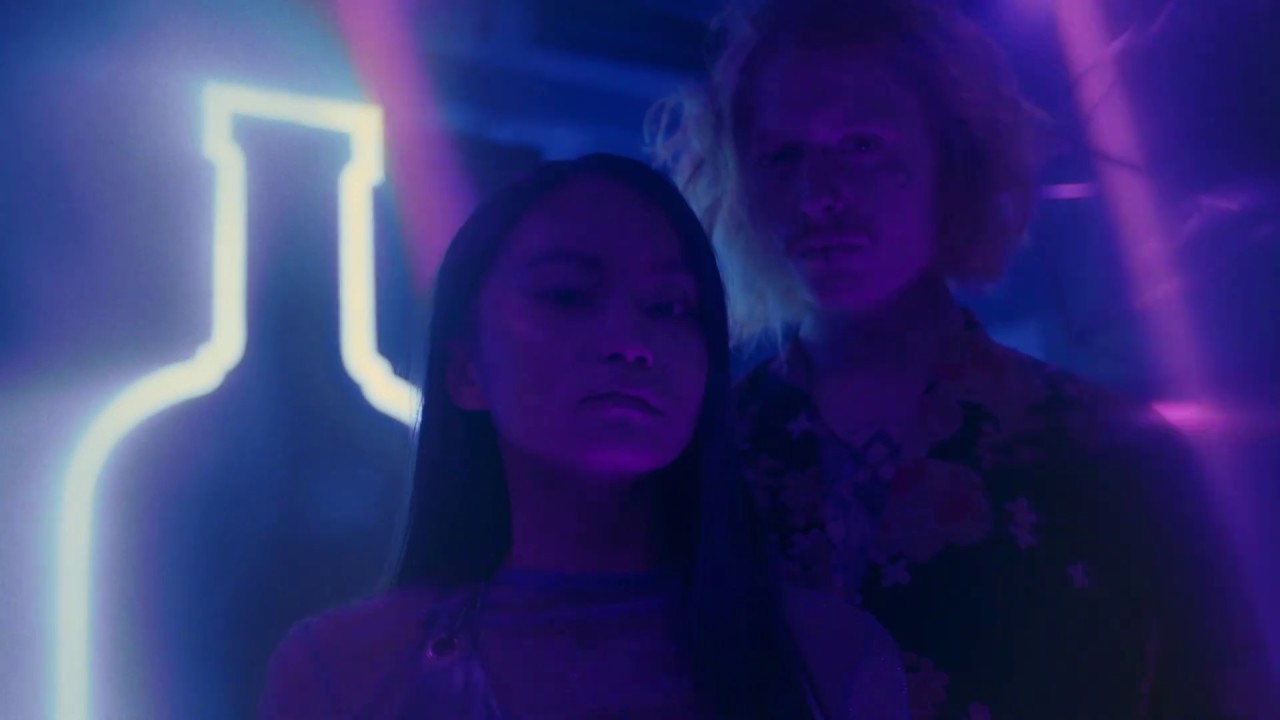
There is a persistent myth that "going woke" is a financial risk. The evidence here suggests the opposite: taking a hard stand is often the fastest way to unseat a market leader. When ABSOLUT: True Colors of Slovakia remixed a sacred folk anthem to challenge xenophobia, it didn't just spark a conversation; it led to a "117% sales increase," finally making Absolut the #1 premium vodka in the country. They didn't blink when the controversy hit because they knew their "urban youth" audience was ready for a progressive message. This is the "ROI of Bravery." It is the same energy that saw Nike: Australian Marriage Equality Swoosh Vote turn a logo into a ballot. The resulting "Yes" sneakers sold out in just "23 minutes," proving that when a brand aligns its values with a movement, the market responds with its wallet.
The final layer of these iconic works is their refusal to play by the industry's traditional rules of engagement. They don't wait for a media buy; they "hack" the culture where it already lives. Girls Who Code: DojaCode didn't bother with a standard tutorial because they knew "young women weren't searching for coding tutorials, they were searching for Doja Cat." By building an interactive experience in just four weeks, they saw a "63% engagement rate," dwarfing any traditional non-profit benchmark. This is the common thread: a total lack of "corporate filler" and a commitment to high-stakes execution. Whether it is SSGA: Fearless Girl staring down a 7,100-pound bronze bull or UN Women: The Autocomplete Truth using a single day of search data to silence the world, these campaigns work because they take a risk that most brands skip. They don't just talk about equality; they create a world where it is the only logical conclusion. Inclusion isn't the theme here - it is the strategy.