Pflag Canada: Destination Pride
Pflag Canada challenged FCB/SIX Toronto to raise global awareness about the extreme legal and social inequalities facing the LGBTQ+ community. They needed to reach international travelers and those living in hostile regions, moving beyond traditional awareness ads to create something that offered tangible value while celebrating the 40th anniversary of the Pride flag.
Creative Idea
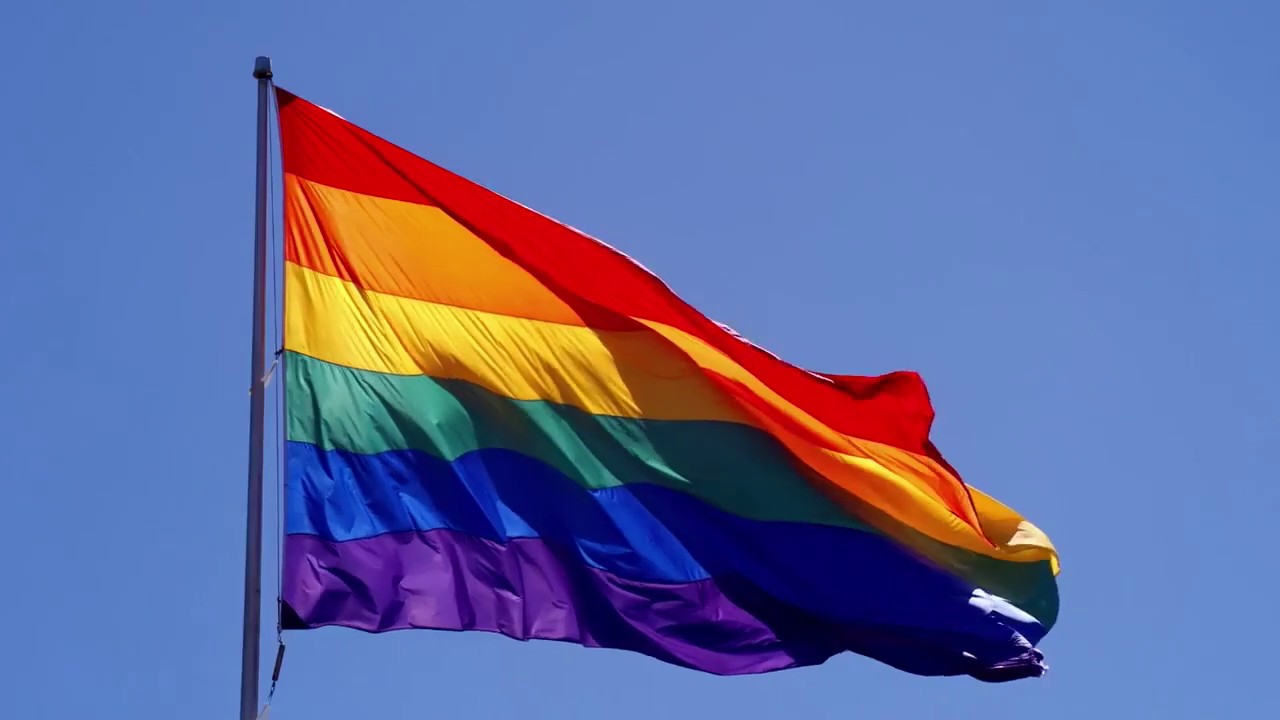
Reimagined the Pride flag as a dynamic bar graph visualizing global LGBTQ+ safety data.
Reimagining the Pride flag as a dynamic data visualization tool, Pflag Canada transformed a symbol of identity into a functional safety platform that used real time laws and social sentiment to help LGBTQ+ travelers navigate global inequalities safely.
Turning the Pride Flag Into a Life-Saving GPS
5,000 Hours of Data Engineering
To build the platform, FCB/SIX logged over 5,000 hours developing a custom algorithm that aggregated thousands of data points. The tool pulled from Equaldex, Wikipedia, and Netbase to measure six specific metrics: marriage equality, sexual activity laws, gender identity protections, anti-discrimination laws, civil rights, and real - time social media sentiment. This dynamic design meant a city’s flag could physically "shrink" or "grow" based on the current tone of local social media conversations. The creators described the resulting numerical score as a "Rotten Tomatoes" for human rights.
Bypassing Censorship in Hostile Nations
 The campaign’s most critical challenge was reaching LGBTQ+ individuals in regions with government - sanctioned hostility, such as Russia and Uganda. To bypass local censorship, the agency used "interest - based" Facebook targeting - connecting with users interested in both "Travel" and "LGBTQ rights" - to deliver safety data directly to marginalized communities. This strategy allowed the platform to engage users from 166 of the world’s 195 countries within months of launch.
196 Laser-Cut Data Postcards
Beyond the digital interface, the production team created 196 unique laser - cut postcards, one for every nation on Earth. Each card visualized that specific country’s data through the reimagined flag and was mailed to world leaders and influencers to spark policy discussions. The project’s cultural impact was eventually recognized by the London Design Museum, which included the visualizations in a retrospective on graphic design and political messaging. Lead creative Ian Mackenzie and Pflag’s Louis Duncan-He also integrated real community stories, such as transgender traveler Lisa Crawford, to ground the data in lived experience.
Creative Strategy Deconstructed
Company
Pflag Canada's deep commitment to LGBTQ+ advocacy and their authority as a trusted voice for the community's rights and safety.
Category
Most nonprofit campaigns focus on awareness through emotional storytelling or shocking imagery rather than providing functional, real time digital tools.
Customer
LGBTQ+ travelers face genuine danger abroad and need reliable, up to date information on local laws and social attitudes to stay safe.
Culture
Increasing global travel and the rise of data driven personalization created a perfect moment for a utility that visualizes human rights.
Company
Pflag Canada's deep commitment to LGBTQ+ advocacy and their authority as a trusted voice for the community's rights and safety.
Category
Most nonprofit campaigns focus on awareness through emotional storytelling or shocking imagery rather than providing functional, real time digital tools.
Strategy:
Transform a symbolic cultural icon into a functional data driven utility to solve a critical safety need.
Customer
LGBTQ+ travelers face genuine danger abroad and need reliable, up to date information on local laws and social attitudes to stay safe.
Culture
Increasing global travel and the rise of data driven personalization created a perfect moment for a utility that visualizes human rights.
Strategy:
Transform a symbolic cultural icon into a functional data driven utility to solve a critical safety need.
Results
The campaign achieved global scale, engaging users from 166 of the world’s 195 countries and generating over 85,000 unique destination searches and custom flags. It became the most shared and discussed platform in PFLAG Canada’s history, earning over 135 pieces of media coverage. The platform maintained high utility with 58.52% of users engaging via mobile. It was ranked as the #8 most awarded campaign in the world in 2018 by The Drum, winning 13 Cannes Lions (including 3 Gold Lions in Creative Data, Design, and Mobile), a D&AD Wood Pencil, and a One Show Gold Pencil. The project logged over 5,000 hours of development and successfully bypassed censorship in hostile nations like Russia and Uganda through interest-based targeting.
166
Countries reached out of 195
85,000+
Destinations searched and flags generated
13
Cannes Lions won including 3 Gold
Strategy Technique
Build an Utility, Not an Ad
Instead of just raising awareness about discrimination, Pflag created a practical tool that solved a specific problem for the community. This shifted the brand from a messenger to a provider of essential safety infrastructure.
Explore Technique
Creative Technique
Unexpected Utility
It transforms the iconic Pride flag from a static symbol into a functional, data driven search engine. This unexpected utility provides life saving information for travelers while highlighting global legal disparities.
Explore Technique
Craft Breakdown
Destination Pride transforms a static symbol of identity into a living, data-driven utility that provides life-saving information through an intuitive visual language.
The campaign reimagined the Pride flag's six bars as a dynamic bar graph, turning complex legal and social data into an instant, readable safety score.
A custom algorithm aggregated thousands of data points from Equaldex and Netbase to provide real-time sentiment analysis and functional utility.
Strategic interest-based targeting on Facebook bypassed government censorship in hostile regions to reach marginalized communities directly.
The production of 196 unique laser-cut postcards for every nation on Earth bridged the gap between digital data and physical advocacy.
“The magic lies in the intersection of data engineering and iconic symbolism, where the Pride flag ceases to be just a banner and becomes a functional GPS for human rights.”