Most brands treat Pride like a seasonal software update - a temporary aesthetic patch that is promptly uninstalled on July 1st. But the campaigns that actually move the needle don't just decorate the status quo; they dismantle it. The distinction between "rainbow washing" and genuine creative strategy lies in the shift from symbolic gestures to structural utility. This playlist isn't a collection of ads that celebrate the community; it is a library of tools, products, and legal hacks that use brand power to solve real-world problems. Whether it is bypassing discriminatory banking laws or infiltrating hostile territories, these campaigns prove that a brand's most valuable contribution isn't its logo - it is its leverage.
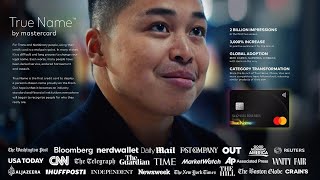
The most iconic work in this category begins by identifying a friction point that a simple 30-second spot cannot fix. Look at Mastercard: True Name, which addressed the systemic "deadnaming" of trans individuals. This wasn't just a marketing pivot; it was a feat of internal persistence where creatives famously had to "question the question mark" on the idea wall to bypass massive financial legal hurdles. Similarly, Vaseline - Transition Body Lotion skipped the traditional brand brief entirely. Instead of a commercial, they committed to a "two-year R&D period" to develop a clinical product for the specific skin needs of women undergoing hormonal transition. When a brand treats a marginalized community as a legitimate R&D priority rather than a demographic to be "reached," the resulting work transcends advertising and becomes an essential utility.
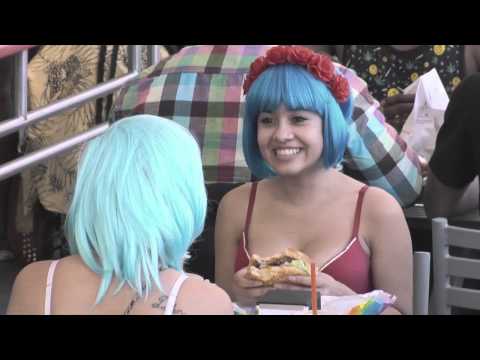
When a brand stands for something, it usually expects a round of applause and a bump in quarterly sales. But the campaigns that endure are the ones that accept - and even invite - friction. Take Diesel: Francesca, which didn’t just depict a transition; it leaned into the fallout, famously celebrating an "exodus of 14,000 Instagram followers" who left the page in protest. This is the antithesis of the "please like us" energy found in most Pride month activations. It mirrors the audacity of the Burger King: Proud Whopper, where a simple rainbow wrapper was used to force a physical realization that we are all the same inside. These brands understand that if your support doesn’t cost you anything - whether it is followers, legal headaches, or massive production risks - it probably isn’t worth much to the community either. True bravery isn't about being seen; it's about being willing to lose the wrong kind of customer.
Hacking the System Instead of the Logo
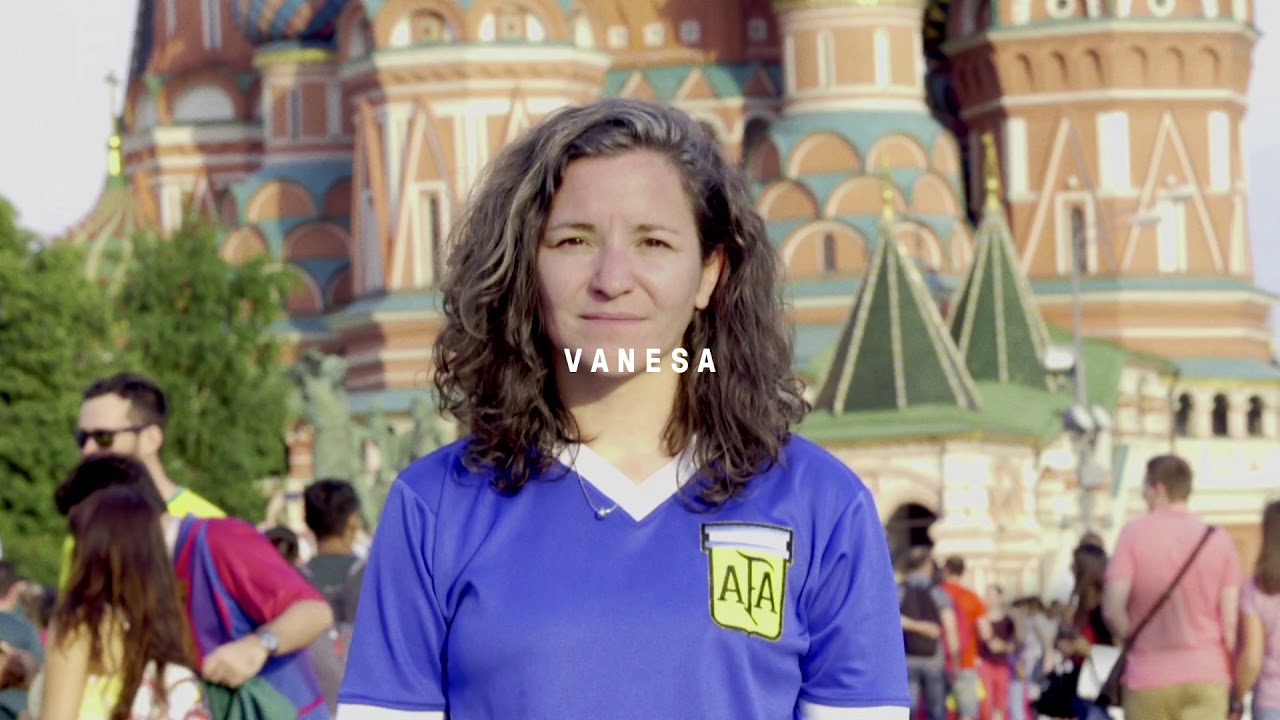
The most distinctive trait of this playlist is its willingness to operate in "enemy" territory. While most brands play it safe in liberal hubs, the most effective creative strategies involve high-stakes infiltration. FELGTB: Hidden Flag is a masterclass in this "tactical" Pride, where six activists wore football jerseys to form a human rainbow in the heart of Moscow. This wasn't just a photo op; it was a dangerous operation where one participant was "detained for 15 hours" at the airport. By using the visual language of the World Cup to bypass anti-gay propaganda laws, the campaign turned the medium into a Trojan horse. We see a similar digital subversion in Google + Hangouts: Same Sex Marriage, which used technology to create a literal bridge between French couples and a Belgian mayor, bypassing legal barriers with a cloud-based loophole. These campaigns don't just ask for equality; they use the brand's infrastructure to manufacture it.
Finally, there is the matter of craft. In an era of stock-footage montages, the campaigns in this collection feel like cinema or high-stakes engineering. Ad Council: Love Has No Labels didn't just use CGI to make a point about bias; they used "17 sensors" hidden under performers' clothes to drive real-time X-ray avatars, ensuring the humanity of the couples was felt through their digital skeletons. Similarly, Stockholm Pride: Los Santos Pride didn't just buy a banner ad; they collaborated with legendary modders to hack the most violent game on earth, creating an "indestructible" parade that could not be stopped by in-game chaos. These are not just ads; they are cultural artifacts that use the brand’s muscle to build moments that the community couldn't necessarily build alone. They prove that when a brand stops acting like a spectator and starts acting like an ally with a budget, the results are impossible to ignore. True Pride advertising isn't about finding the right colors - it's about finding the right fight and refusing to back down until the system shifts.