Mastercard: True Name
Mastercard sought to address the pervasive discrimination faced by transgender and non-binary individuals when using credit cards. The client wanted to enhance brand perception as inclusive and supportive, by finding a tangible way to affirm their customers' true identities.
Creative Idea
Mastercard allowed transgender people to use their chosen names on credit cards.
Mastercard introduced the True Name card, allowing transgender and non-binary individuals to use their chosen names on credit cards, directly combating daily discrimination and affirming their authentic identities in a world that often misgenders them.
Questioning the Question Mark to Change the System
A Personal Spark and Internal Friction
The concept was born from a harrowing personal experience when Associate Creative Director Lucas Crigler, a trans man, was deadnamed at a deli, compromising his safety. When the idea was first pitched at McCann New York, it was nearly "killed" multiple times due to the massive legal and technical hurdles of the financial industry. Senior leadership initially placed a question mark next to the idea on the wall, but copywriter Hope Nardini famously "questioned the question mark," insisting the team find a way to bypass the industry assumption that legal names must appear on the physical plastic.
Acceptance Street and Google Maps
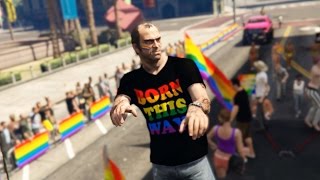
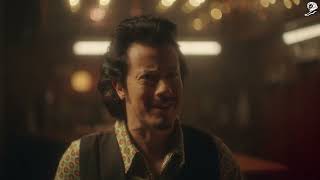
Beyond the card itself, the campaign featured a physical installation at the intersection of Christopher St. and Gay St. in NYC. Partnering with Google, Mastercard added multiple identity signs - such as Transgender St. and Non-Binary St. - to the pole. This "Acceptance Street" activation was so culturally resonant that it became an official landmark on Google Maps. The film assets for the campaign were directed by the acclaimed Bryan Buckley of Hungry Man, while Scott Turner Schofield served as a vital consultant and spokesperson to ensure authentic representation.
Forcing a New Industry Standard
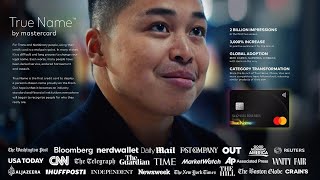
The initiative achieved a staggering 19:1 earned-to-paid media ratio and generated over 3 billion impressions worldwide. More importantly, it solved a critical safety issue: research showed 32% of transgender individuals reported harassment or assault when showing IDs that did not match their presentation. The success of True Name forced a systemic shift, leading competitors like Visa and JP Morgan Chase to adopt similar features, proving that the legal name only needs to exist in the back-end system, not on the card face.
Creative Strategy Deconstructed
Company
Mastercard possessed the infrastructure and authority to issue credit cards, enabling a policy change for chosen names on official documents.
Category
Financial services typically adhere strictly to legal names on cards, often causing distress for transgender individuals whose legal and chosen names differ.
Customer
Transgender individuals desired recognition of their true identity and relief from daily misgendering and discrimination caused by legal names on cards.
Culture
A growing cultural movement advocating for LGBTQ+ rights and greater visibility for transgender identities created fertile ground for this initiative.
Company
Mastercard possessed the infrastructure and authority to issue credit cards, enabling a policy change for chosen names on official documents.
Category
Financial services typically adhere strictly to legal names on cards, often causing distress for transgender individuals whose legal and chosen names differ.
Strategy:
Empower marginalized identities by validating personal truths through everyday transactions.
Customer
Transgender individuals desired recognition of their true identity and relief from daily misgendering and discrimination caused by legal names on cards.
Culture
A growing cultural movement advocating for LGBTQ+ rights and greater visibility for transgender identities created fertile ground for this initiative.
Strategy:
Empower marginalized identities by validating personal truths through everyday transactions.
Results
The campaign achieved 3 billion impressions in the first 3 weeks and a 19:1 earned to paid media ratio. It also led to other major banks like Superbia, BMO, Citibank, Eastern Bank, Visa, and Chase Bank launching their own preferred/chosen name cards, indicating a significant industry-wide change influenced by Mastercard's initiative. The CEO of Eastern Bank is quoted saying, "We should be doing the same thing, honestly." Visa launched a "preferred name card" and Chase Bank now "allows a different name on cards." The product, True Name, is described as helping "millions stay safe and be themselves."
3 Billion
impressions in 3 weeks
19:1
earned to paid media ratio
Multiple banks
adopted similar preferred name cards
Strategy Technique
Make the Brand the Hero of a Bigger Fight
Mastercard positioned itself as a champion for transgender rights and identity, moving beyond financial transactions. The brand took a stand on a significant social issue, making it a hero in the fight for acceptance.
Explore Technique
Creative Technique
Fight prejudice
The campaign directly addresses and fights prejudice faced by transgender individuals by enabling them to use their chosen names. This simple change validates their identity and reduces daily discrimination.
Explore Technique
Craft Breakdown
This campaign's craft is exceptional due to its profound media planning, which transformed a critical social issue into a groundbreaking product, backed by strategic media execution and thoughtful design to spark industry-wide change.
The strategic decision to launch the card independently, utilize the World Pride broadcast for a film starring Trans actors, and generate an astounding 19:1 earned to paid media ratio demonstrates exceptional foresight in leveraging media to catalyze broad industry adoption and cultural impact.
The 'sleek, black True Name card with a subtle rainbow glow' represents a tangible and impactful piece of product design, effectively embodying Mastercard's message of acceptance and progress in a physical form.
“The true impact of this campaign stems from the powerful synergy of a visionary idea, brought to life through thoughtful product design, strategically amplified by expert media planning, and humanized by authentic acting in its public-facing executions.”