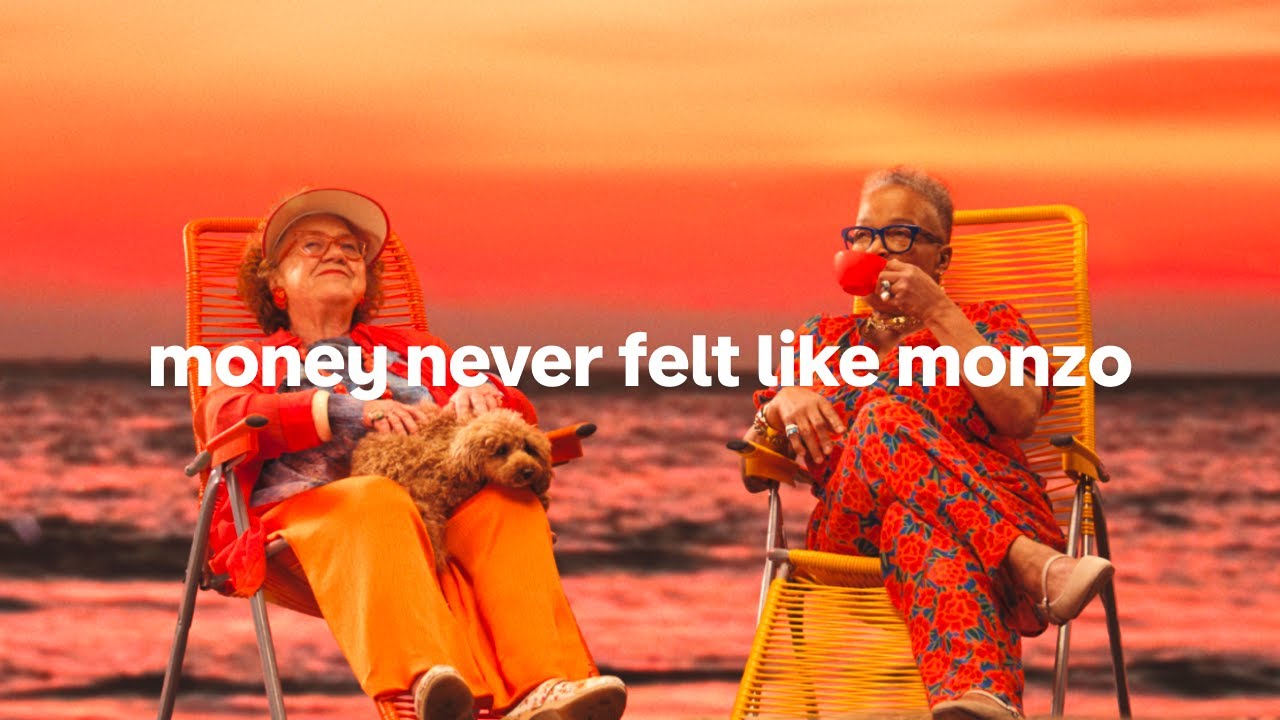
Banking advertising usually feels like a hostage negotiation. It is a sea of navy blue suits, blurred backgrounds, and stock photos of smiling couples holding oversized silver keys. Most financial brands treat creativity as a liability rather than an asset, fearing that anything too "interesting" will signal instability. But the campaigns in this collection prove the opposite. They succeed because they stop trying to sound like a bank and start acting like a human solution. Whether it is Monzo: Money feels different on Monzo swapping interest rate tropes for "subtly subversive" visuals or Citi: Live Richly spending an estimated "$1 billion over five years" to tell us money does not matter, these brands understand that in a commodity market, the only differentiator left is how you make people feel.
What unites these 24 campaigns is a refusal to play by the "rational security" rulebook. Most banks try to buy trust with boringness. These brands buy it with utility and empathy. They take the "dread" of finance - a feeling Monzo and Uncommon Creative Studio famously tried to turn into something "dreamy" - and replace it with either high-art surrealism or radical social action. When Klarna: Smooth Payments ditched "banking blue" for a "vibrant hot pink" aesthetic, they were not just picking a color; they were declaring war on the category’s aesthetic numbness. They used "oddly satisfying" ASMR visuals to dramatize a benefit that is usually invisible: the lack of friction.
The Algorithm as an Act of Empathy
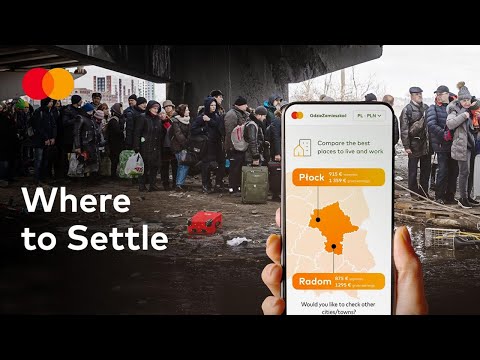
Many of these campaigns transcend "advertising" entirely by turning their core product into a tool for social cohesion. This is where this collection differs from your standard "Best Commercials" list. It is a masterclass in Utility Marketing. Take Mastercard: True Name, which was nearly killed multiple times due to legal hurdles until a copywriter "questioned the question mark" on the internal pitch board. It did not just talk about inclusion; it re-engineered the physical credit card to protect trans lives. Similarly, Mastercard: Where to Settle used "anonymized spending patterns" and "official salary data" to help Ukrainian refugees find homes in Poland. This is not a "brand message" - it is a brand behaving like a neighbor with a spreadsheet.
The risk these brands take is not just financial; it is philosophical. They move from being lenders to becoming cultural commentators. ANZ Bank: Pocket Money did not just run a TV spot about the gender pay gap; they conducted a social experiment where children were "not actors" and their "genuine shock and anger" at being paid less for the same chores became the campaign's engine. This is the "secret sauce" of iconic financial work: it attacks a cultural blind spot with the weight of a bank’s authority. When a bank stops talking about your savings account and starts talking about your soul - or in the case of ING: The next Rembrandt, your definition of art - it becomes impossible to ignore. That project took "18 months of collaboration" and analyzed "346 Rembrandt paintings" to prove that data could be the artist. It moved the bank from a sponsor of the arts to a creator of them.

Finally, the best work in this sector understands that the medium is often the message. Tigo-Une: The Payphone Bank did not buy billboards; they "hacked" 13,000 "cast iron relics" into digital micro-savings terminals for unbanked workers. By using "DTMF tones" to let analog hardware talk to servers, they solved a real-world problem for street vendors who were targets for theft. This is the ultimate subversion of the stale corporate standard. It proves that a bank’s most creative asset is not its logo, but its infrastructure. Whether it is Klarna using CGI fish or Sberbank: Neighborhoods using data to tell entrepreneurs exactly which bakery the neighborhood is missing, these campaigns succeed because they solve for human flaws rather than corporate quarterly targets. They prove that in the world of finance, the most profitable thing you can be is interesting.
Creativity is the only interest rate that never devalues. When you stop acting like a bank, people finally start trusting you with their money.