Ally Bank: Pony
Ally Bank wanted to launch as a new, transparent online bank in 2009. The client needed to differentiate from traditional banks, which were perceived as deceptive with hidden fees. The challenge was to communicate Ally's commitment to straightforwardness and no "gotchas" to a skeptical audience. They sought an engaging campaign that would build trust and encourage switching by clearly demonstrating their honest approach.
Creative Idea
Use children and humour to show how other banks deceive in hidden fees.
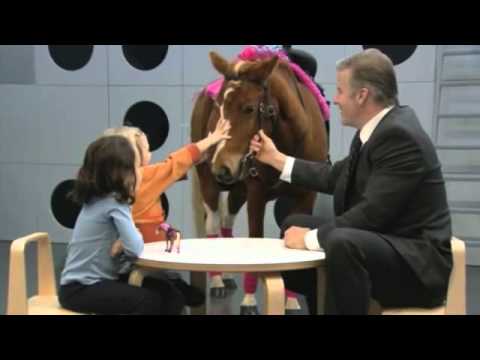
Ally Bank created a humorous ad that playfully demonstrates how literal interpretations can lead to disappointment by giving someone a toy pony when they casually say they want a pony. The campaign cleverly highlights the bank's message about being transparent and avoiding hidden gotchas by using a comedic scenario that shows the importance of clear, literal communication.
The Hidden Camera Experiment That Built a Bank
A Masterclass in Crisis Management
Launched in May 2009, this campaign arrived at the absolute nadir of public trust in financial institutions. Ally Bank was a total rebrand of the "tainted" GMAC Bank, and the BBH New York team needed to distance the new entity from its parent company's past. The strategy worked with surgical precision: retail deposits surged by 16.5% in the first quarter alone, reaching $22.5 billion. By the end of the first year, the "anti-bank" positioning had secured over $9 billion in new deposits.
Real Tears and Hidden Cameras
Director Hank Perlman of Hungry Man utilized a social experiment style to capture the visceral reactions of the children. While the scenarios were staged, the disappointment of the young girl, Leora, and the boy, Pete, was largely genuine. This "cruel" humor was polarizing; while some viewers found the treatment of the children "emotionally abusive," the raw honesty resonated. 70% of YouTube sentiment remained favorable, as the ads successfully personified the "fine print" that consumers hated.
The Man in the Suit
The campaign’s breakout star was RJ Kelly III, whose deadpan delivery of "Well, you didn't ask" became a cultural shorthand for corporate deception. His performance was so effective that he filmed 16 national spots with Perlman following the launch.
The Long Game Sequel
In a rare move for the industry, Ally revisited the campaign seven years later in 2016. For a follow-up titled "Surprise and Delight," the bank tracked down the original child actors - now teenagers - and finally gave them the "real" versions of what they were denied in 2009. Leora was gifted a real horse, while Pete received a real monster truck, closing the loop on a decade of brand storytelling.
Creative Strategy Deconstructed
Company
Ally Bank launched as a digital-first disruptor committed to removing the complexity and hidden fees inherent in traditional banking models. Their brand identity was built on the promise of being a straightforward, 'human' alternative to legacy institutions.
Category
The banking sector was notorious for 'fine print' traps and deceptive marketing that prioritized corporate profit over customer clarity. Most banks relied on jargon and technicalities to hide unfavorable terms from their account holders.
Customer
Post-2008 consumers were deeply cynical and exhausted by financial institutions that used technicalities to exploit their trust and money. They craved a bank that spoke plain English and didn't treat 'gotchas' as a business model.
Culture
A global shift toward radical transparency emerged as people demanded brands stop using corporate double-speak. There was a growing cultural appetite for 'truth-telling' and a rejection of traditional, stuffy corporate personas.
Company
Ally Bank launched as a digital-first disruptor committed to removing the complexity and hidden fees inherent in traditional banking models. Their brand identity was built on the promise of being a straightforward, 'human' alternative to legacy institutions.
Category
The banking sector was notorious for 'fine print' traps and deceptive marketing that prioritized corporate profit over customer clarity. Most banks relied on jargon and technicalities to hide unfavorable terms from their account holders.
Strategy:
Use the undeniable logic of children to expose deceptive fine print and position Ally as radically transparent.
Customer
Post-2008 consumers were deeply cynical and exhausted by financial institutions that used technicalities to exploit their trust and money. They craved a bank that spoke plain English and didn't treat 'gotchas' as a business model.
Culture
A global shift toward radical transparency emerged as people demanded brands stop using corporate double-speak. There was a growing cultural appetite for 'truth-telling' and a rejection of traditional, stuffy corporate personas.
Strategy:
Use the undeniable logic of children to expose deceptive fine print and position Ally as radically transparent.
Strategy Technique
Make the Invisible Visible
The campaign strategically makes the invisible problem of hidden bank fees and 'gotchas' visible through a relatable, humorous scenario. This highlights Ally Bank's commitment to transparency and straightforward communication.
Explore Technique
Creative Technique
Dramatize the Problem
The campaign uses a humorous scenario of a toy pony to vividly illustrate the disappointment of hidden 'gotchas'. It dramatizes the problem of deceptive banking practices by making abstract frustrations tangible and relatable.
Explore Technique
Craft Breakdown
This campaign's craft is exceptional due to its brilliant simplicity and the perfectly executed comedic timing, driven by sharp copywriting and authentic performances.
The core concept and the punchline, 'Well, you didn't ask,' are incredibly clever and directly link the seemingly absurd scenario to the brand's 'Straightforward' message about transparency in banking.
The children's natural and unscripted reactions of initial polite interest, then genuine, wide-eyed astonishment and joy at the real pony, are priceless and highly endearing, making the ad incredibly relatable and memorable.
The precise timing of the cuts, especially the build-up to the pony's entrance and the quick reaction shots, enhances the humor and surprise, making the reveal highly effective.
The minimalist and almost sterile set design perfectly highlights the unexpected element of the real pony, focusing all attention on the interaction and the clever twist.
“The campaign's magic truly comes from the seamless synergy between the insightful copywriting, the genuine and charming child performances, and the perfectly timed comedic editing.”