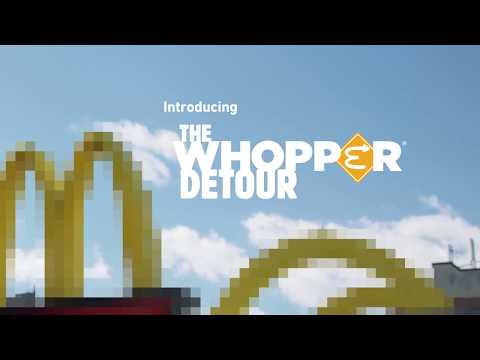
Most brands treat their competitors like Voldemort - someone who shall not be named. They operate in a sterile vacuum, pretending they are the only burger joint on the planet. But the legendary rivalry in this collection proves that your rival isn't just a threat; they are your most effective media channel. This isn't just a list of ads; it is a masterclass in "Creative Asymmetry," where the smaller player uses the giant’s own weight to flip them over. Take Burger King: Whopper Detour, which didn't just ask people to buy a burger; it forced them to "geofence over 14,000 McDonald's locations" to unlock a deal. It turned every Golden Arch in America into a Burger King vending machine, proving that a clever app update is cheaper than a billion - dollar billboard budget.
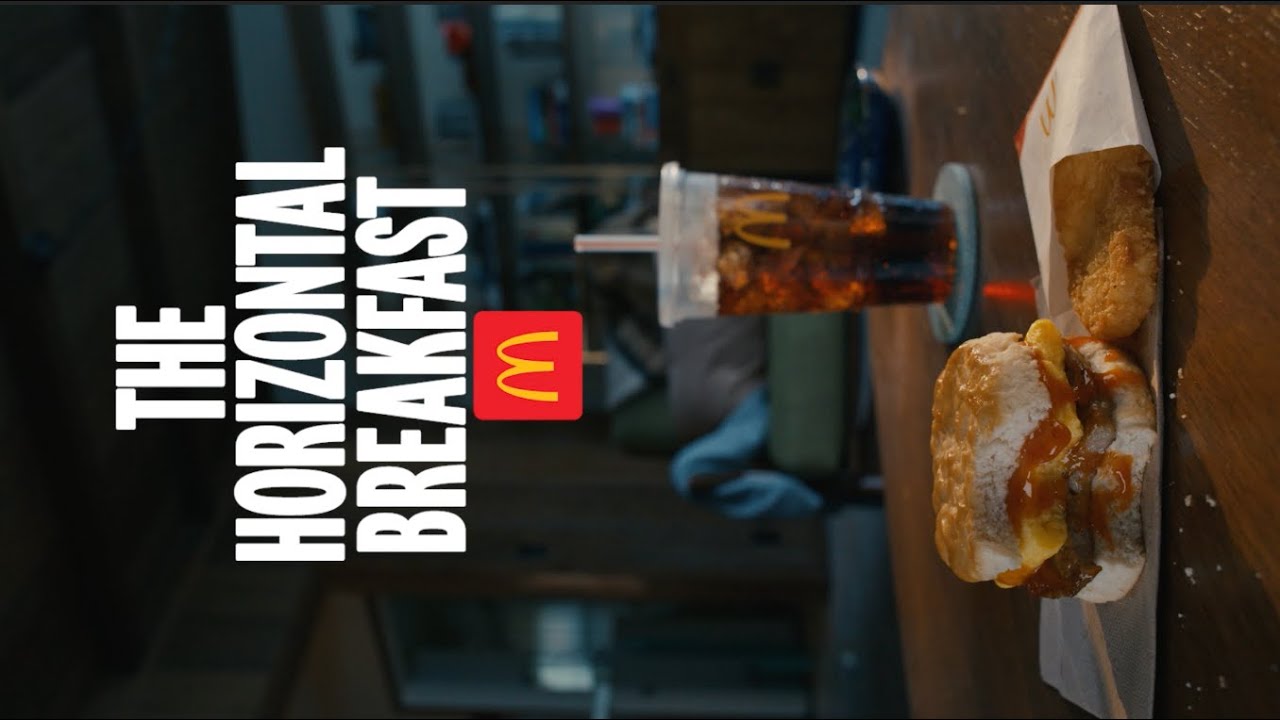
The through - line here is a total lack of fear. While average brands spend months in focus groups trying to be "likable," these campaigns aim to be unavoidable. They understand that in a world of infinite scrolling, being polite is the same as being invisible. McDonald’s often plays the role of the benevolent giant, leaning into cultural rituals like McDonald's: The Horizontal Breakfast to match the hungover reality of its fans. But Burger King plays the role of the provocateur, constantly looking for the "glitch in the matrix." When you are the challenger, you don’t buy reach; you borrow it. This playlist proves that the most iconic work happens when brands stop talking to their customers in a vacuum and start talking to them in the context of the world - and the rivals - they actually live with.
Turning A Multi - Billion Dollar Rival Into A Free Billboard
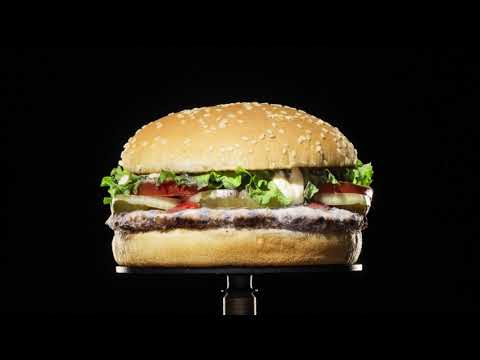
What makes these specific campaigns iconic isn't just the "trolling" - it is the level of craft and commitment to the bit. Most brands would have flinched at the strategy behind Burger King: The Moldy Whopper. It broke the "Golden Rule of Taste" by showing a burger covered in decay. To get the shot right, the team ran a "34 day rot experiment" and "avoided all digital gross-up effects" to ensure the transparency felt real. That is a level of risk that most corporate legal teams would kill in the cradle. It works because it stakes a contrarian point of view: that real food gets ugly, and "immortal" food is the real villain. It’s a move that transforms a product feature into a cultural statement.
This commitment to the "uncomfortable" is what separates these campaigns from the sea of forgotten fast food spots. It’s the same bravery that saw the Burger King: McWhopper proposal sit "in a drawer for four years" before the timing was right to publicly pressure a rival into a peace treaty. These brands don't just follow trends; they hijack them, whether it’s using AI commentary in Burger King: Burger to King or turning a competitor's billboard into a digital fire. By the time the average brand gets through a third round of creative testing, the cultural moment has already passed. These campaigns succeed because they prioritize speed and "visceral truth" over corporate safety. Whether it is the deadpan cinematic angst of Burger King: Confusing Times or a thirty - minute response to an Olympic victory, the lesson is simple: if you want to break the internet, you have to be willing to break a few category rules first. In the war between the King and the Clown, the only real loser is a boring ad.