Technology is at its most boring when it tries to be the protagonist. We have all seen the "tech for tech’s sake" ads - the shiny 3D renders, the over-explained blockchain integrations, the VR experiences that require a manual and a prayer. They are the digital equivalent of a dinner guest who won't stop talking about their new car’s torque. This collection represents the exact opposite. It is a masterclass in the quiet butler theory of innovation: the best technology is the kind you don't notice until it makes you cry, or gasp, or finally understand a problem that felt too abstract to grasp.
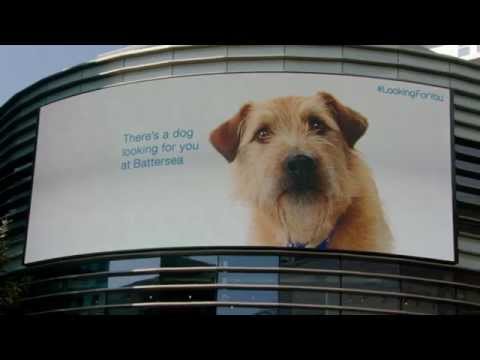
What unites these campaigns is a refusal to treat "digital" as a separate department. Instead, they use code and sensors as a bridge to human empathy. Take Battersea Dogs & Cats Home: Looking For You, which the agency team internally nicknamed the "friendly stalker." By using RFID tags to trigger a digital dog that followed shoppers across mall screens, they didn't just show a billboard; they simulated the persistent, hopeful longing of a shelter animal. It wasn't about the hardware - it was about the feeling of being "chosen" by a dog. This is where most brands stumble; they focus on the "how" while these campaigns obsess over the "so what?"
Engineering the Invisible High-Five
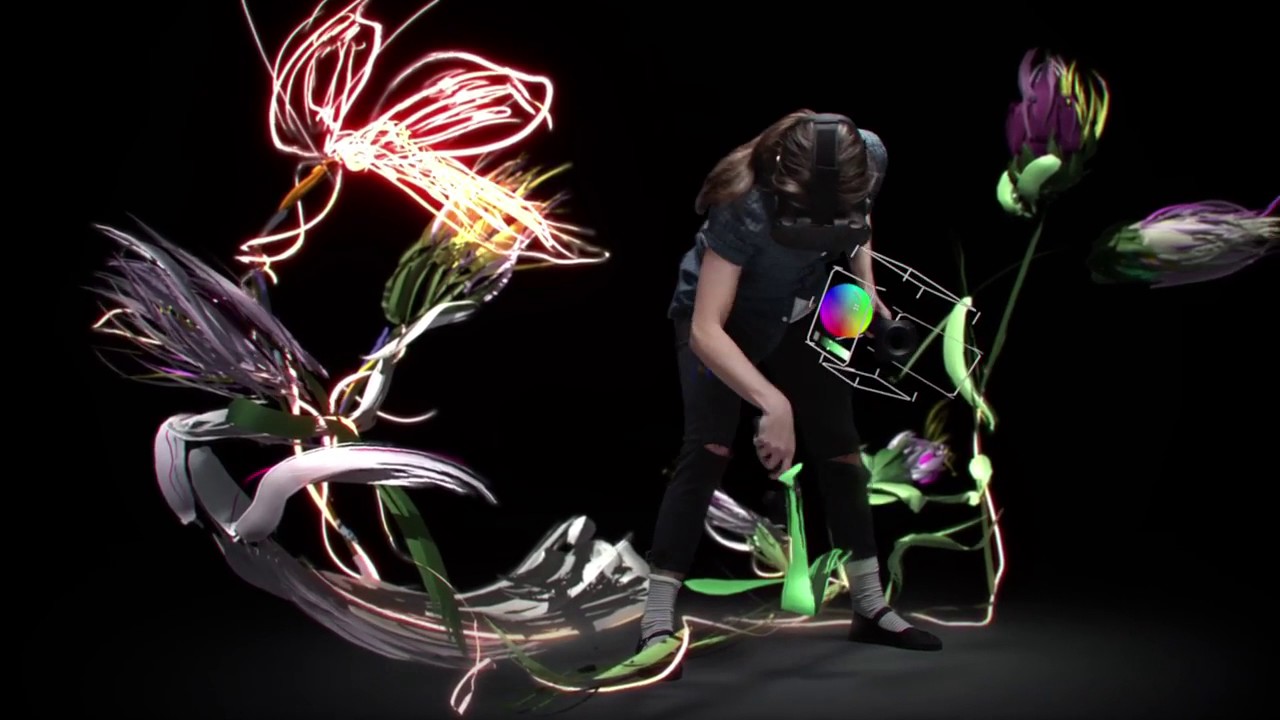
The campaigns in this playlist stand out because they treat technical constraints as creative fuel rather than IT hurdles. When Google wanted to explain the surreal potential of virtual reality, they didn't show a spec sheet. In Google: Google Mountain View - Google Tilt Brush, they used mixed - reality filming to let us see legendary animators literally step inside their own drawings. It was a sensation the tech lead described as "legal acid," transforming a complex software demo into a moment of pure, child - like wonder. It proves that the most effective way to sell the future is to show how it amplifies the human hand, not how it replaces it.
This commitment to "purposeful magic" often requires a level of craft that most agencies would deem "too difficult" for a 30 - second spot. Consider the sheer technical masochism of Sound of Honda: Ayrton Senna. To resurrect a ghost, the team didn't just use CGI; they found a "single sheet of paper" in a warehouse containing telemetry data from 1989. They then lined 5.8 kilometers of the Suzuka Circuit with speakers and LEDs to recreate the roar and light of a lap that happened decades ago. It turned cold data into a visceral, haunting drama. This is the "Selfstorming" difference: we aren't looking for the newest tech, but for the most imaginative application of it. It’s the shift from "Look what this machine can do" to "Look what this machine helps us feel."
The Art of the Purposeful Glitch
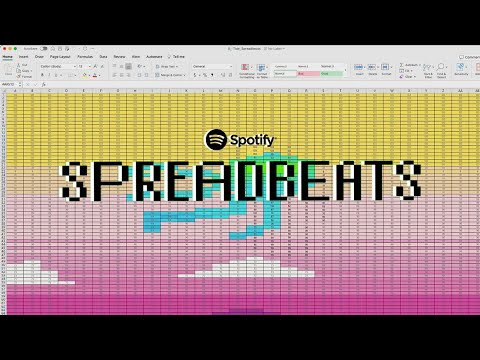
There is a specific bravery in these campaigns that involves "breaking" the medium to prove a point. Most brands want their tech to be seamless and perfect; the best brands know when to make it struggle. In Spotify - Spreadbeats, the team ignored the glossy world of high - res video and instead coded a music video entirely within a spreadsheet. They had to hack a "10MB spreadsheet limit" using 1970s - era ASCII art and custom algorithms just to make the cells dance. It was a brilliant "hijack the medium" play that turned a boring B2B tool into a global dance floor, proving that creativity thrives when the bandwidth is low but the ambition is high.
Ultimately, this playlist is about tech as a utility for the soul. Whether it is Huawei: StorySign tackling a "21 year literacy deficit" for deaf children by using AI to translate books into sign language, or Apple: AirPods Pro 2 Hearing Aid Feature using immersive sound design to simulate the isolation of hearing loss, the goal is the same: use the silicon to serve the person. These aren't just ads; they are prototypes for a more empathetic world. They remind us that while the hardware will eventually become obsolete, the human moments they create are permanent. In an industry obsessed with the next "big thing," these campaigns prove that the biggest thing of all is still a genuine human connection - even if it’s delivered via a spreadsheet or a digital billboard.