Natalia Ponce De Leon Foundation: The Last Mask
The Natalia Ponce De Leon Foundation needed to combat the social stigma facing acid attack survivors. Working with Jwt Bogotá, they sought to mobilize public support to pressure governments for stricter laws. The goal was to move beyond pity, creating a global movement that empowered survivors and forced society to acknowledge their struggle and the need for legal protection.
Creative Idea
Users wore a digital AR mask of a survivor to show solidarity on social media.
To break the stigma surrounding acid attack survivors, the campaign invited the public to wear a digital, disfigured mask via AR, turning a symbol of pain into a global badge of solidarity and a tool for legislative pressure.
The Mirror That Turned Scars Into Solidarity
From Comic Panels to National Law
While the campaign functioned as a transmedia art project, its most profound achievement was tangible legal reform. The partnership between Rattapallax and the Natalia Ponce de León Foundation successfully pressured the Colombian government to pass "The Natalia Ponce de León Law." This landmark legislation redefined acid attacks as a specific, high - priority crime, increasing prison sentences to up to 50 years and implementing strict oversight on the commercial sale of chemical acids.
Mythology Meets Augmented Reality
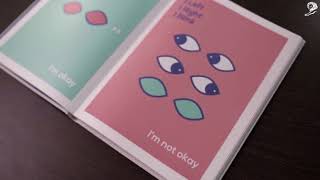
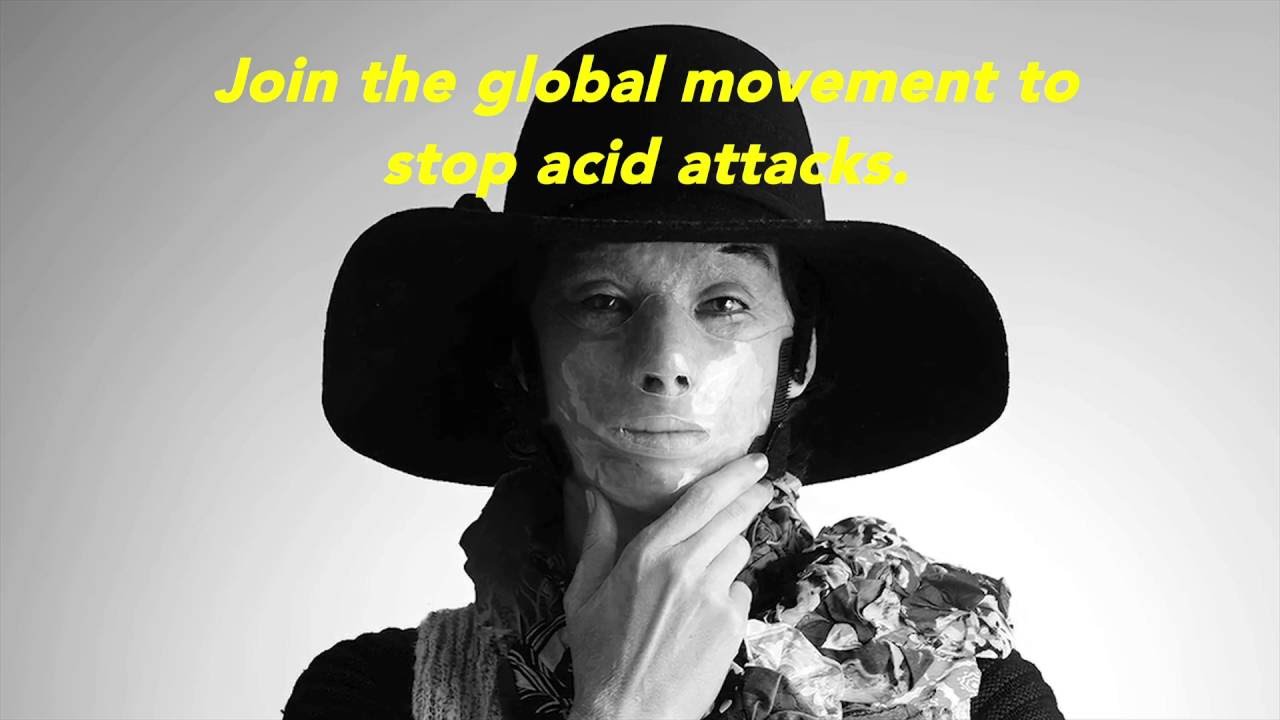 To bridge the gap between ancient tradition and modern activism, the creative team fused Hindu mythology with cutting - edge tech. The protagonist, Priya, rides a tiger named Sahas and is aided by the Goddess Parvati to battle the demon - king Ahankar, a name translating to "Ego." Using the Blippar app, the team turned the comic’s cover into an interactive portal. Readers could "wear" a digital, disfigured mask - a feature designed by artist Dan Goldman to foster radical empathy by forcing users to see their own reflection as a survivor before sharing the image to social media.
Global Reach and Grassroots Distribution
The project achieved a massive scale, reaching over 26 million readers online. Beyond digital downloads, the team focused on physical saturation by distributing 30,000 free printed copies in schools and at comic conventions. In India, the campaign moved into the streets through interactive murals in Mumbai and Delhi. When viewed through a smartphone, these static paintings triggered animations and documentary footage of survivors like Monica Singh and Laxmi Agarwal, transforming urban walls into educational platforms for gender - based violence prevention.
Creative Strategy Deconstructed
Company
A foundation led by a high - profile survivor with a powerful personal story and a clear legislative goal.
Category
Social awareness campaigns often rely on passive sympathy or shocking imagery that can further alienate survivors from society.
Customer
People want to help but feel disconnected from the specific trauma of acid attacks, often looking away out of discomfort.
Culture
The rise of AR filters and social media activism allowed for a low - friction way to show public support.
Company
A foundation led by a high - profile survivor with a powerful personal story and a clear legislative goal.
Category
Social awareness campaigns often rely on passive sympathy or shocking imagery that can further alienate survivors from society.
Strategy:
Transform a symbol of individual trauma into a collective digital badge to mobilize public empathy for legislative reform.
Customer
People want to help but feel disconnected from the specific trauma of acid attacks, often looking away out of discomfort.
Culture
The rise of AR filters and social media activism allowed for a low - friction way to show public support.
Strategy:
Transform a symbol of individual trauma into a collective digital badge to mobilize public empathy for legislative reform.
Strategy Technique
Give People a Badge
By providing a digital mask, the campaign gave supporters a visible way to signal their stance, transforming a personal tragedy into a collective identity for social change.
Explore Technique
Creative Technique
Technology
Using AR technology allowed people to virtually experience the survivors' reality, fostering deep empathy and turning a passive audience into active participants in a global movement for justice.
Explore Technique
Craft Breakdown
The campaign excels by using Augmented Reality (AR) to bridge the gap between a difficult social issue and public engagement, turning a symbol of trauma into a tool for solidarity.
The integration of the Blippar AR app allows for a participatory experience that makes the cause interactive.
The use of high-contrast black and white imagery paired with bold yellow typography creates a striking visual identity.