Best Nonprofit & Government Campaigns of All Time
Nonprofit and government advertising plays on hard mode. No shiny product, no launch hype, often a subject people would rather scroll past - road safety, donations, public health, the stuff that refuses to sell itself. So the craft gets sharper out of necessity. The best campaigns here make you care about something abstract by making it uncomfortably specific, then hand you one small thing to do about it. When it works it does not just win awards, it changes behaviour, which is a much higher bar than shifting units. Here are the ones that cleared it, broken down by strategy and craft.
328 campaigns
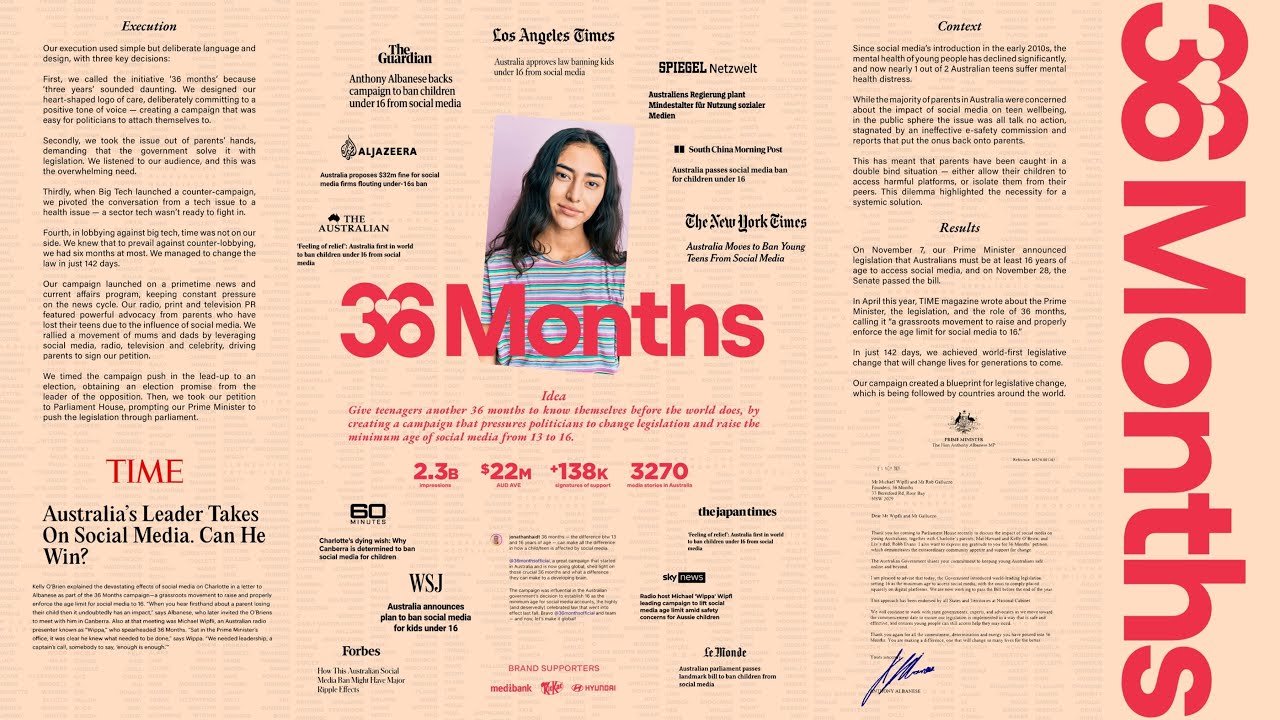
36 Months: 36 Months
The campaign mobilized parents, experts, and celebrities through strategic media and political engagement to create an unignorable chorus of voices, successfully pressuring politicians to pass legislation raising the social media access age from 13 to 16 by offering a clear, singular policy objective.

Sandy Hook Promise: Evan
This campaign cleverly used a seemingly innocent high school romance narrative to distract viewers, then replayed the footage to reveal subtle, previously overlooked warning signs of gun violence in the background, powerfully demonstrating how easily critical signals can be missed.
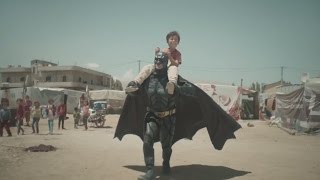
Warchild: Batman
The campaign powerfully uses a refugee boy's heartwarming fantasy friendship with Batman to mask the grim reality of his life, dramatically revealing the stark contrast between childhood imagination and the brutal impact of war to highlight War Child's urgent mission.

MACMA: ManBoobs
MACMA leveraged the uncensored nature of male breasts on social media to create a viral video demonstrating breast self-examination, bypassing censorship restrictions that often block educational content featuring female nipples and ensuring vital health information reached a wider audience.
Child Focus: Coins of Hope
Child Focus produced 1 million 2 euro coins featuring a missing child's face, transforming everyday currency into a circulating missing poster. This unprecedented initiative, approved by 19 eurozone governments, leveraged official endorsement and widespread distribution to generate massive public and media attention, ultimately leading to a child's recovery.
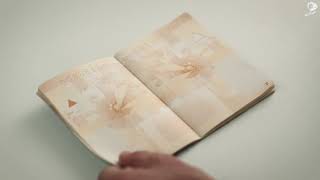
Palau Legacy Project: The Palau Pledge
Palau introduced the world's first immigration policy for good, requiring all visitors to sign an environmental pledge upon arrival, transforming tourists into self-policing environmental stewards and raising global awareness about generational responsibility for Earth's unique island homes.
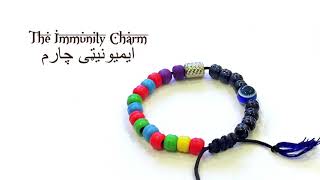
Ministry of Public Health, Afghanistan: Immunity Charm
The Immunity Charm campaign ingeniously transformed traditional Afghan lucky charm bracelets into vital immunization records, using colored beads as vaccine codes to overcome illiteracy and cultural biases, making vaccination a cherished tradition and improving child health.

Donate Life California: Second Chances
Donate Life California partnered with police to create a unique traffic stop initiative where officers gave drivers a 'second chance' on minor infractions if they were registered organ donors, powerfully connecting the act of donation to real-life consequences and rewards.

WWF: Deforested Field
WWF dramatically illustrated the rapid rate of Brazilian deforestation by visually degrading a live football pitch during a broadcast, turning a statistic into a real-time, unsettling spectacle that forced viewers to confront the environmental crisis directly.
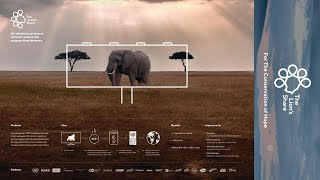
UNDP: The Lion's Share
The Lion's Share initiative urged brands using animal imagery in ads to donate 0.5% of their media spend to a trust, leveraging pervasive marketing visuals as a direct funding stream for global wildlife conservation and animal welfare, aligning with Sustainable Development Goals.
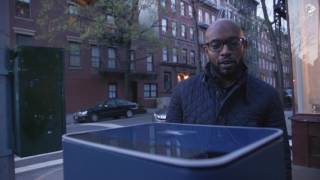
US Postal Service: Your Voice is Your Stamp
The US Postal Service introduced 'smart blue boxes' equipped with AI, solar power, and voice authentication, allowing customers to use their voice as a 'stamp' for mail, eliminating physical stamps and streamlining the mailing process through cutting-edge technology and convenience.
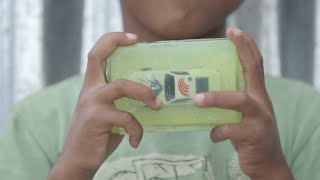
The Safety Lab: Hope Soap
Hope Soap embedded a toy inside a bar of soap, incentivizing children to wash their hands frequently to reveal the prize, effectively transforming a chore into an exciting game and fostering crucial hygiene habits to combat preventable diseases.
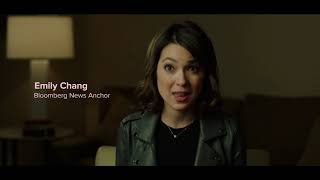
CodeLikeAGirl: Losing Lena
By advocating for the retirement of the 'Lenna' image - a widely used, problematic test image in tech - the campaign created a tangible action point to symbolize a more inclusive and welcoming environment for women in the industry.
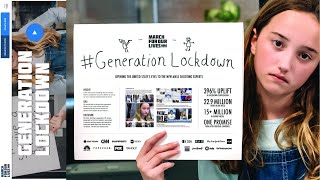
March For Our Lives: Generation Lockdown
This campaign dramatically exposed the horrifying reality of active shooter drills in schools, presenting detailed, chilling survival tactics as a routine 'team building event' to shock adults into confronting the normalized trauma children face daily.

NSPCC: Nobody is Normal
The campaign used stop-motion animation to depict a boy feeling like a 'weirdo' among blank-faced peers, only for everyone to reveal their unique, fantastical true selves. This powerfully illustrated that feeling different is a shared human experience, fostering acceptance and reducing isolation by showing nobody is truly 'normal'.
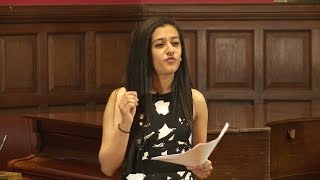
Earth Speakr: Speak Up for the Planet
Earth Speakr empowered children to voice their climate concerns by using augmented reality to make trees talk and skies cry, transforming abstract environmental advocacy into a playful, direct, and shareable platform that delivered their messages to global leaders.
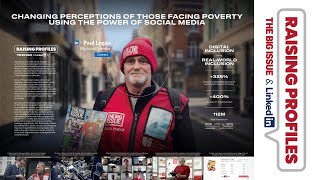
The Big Issue & LinkedIn: Raising Profiles
The Big Issue partnered with LinkedIn to digitally recreate its street vendor sales model, enabling vendors to reconnect with former professional customers online, shifting public perception of vendors from beggars to professionals and boosting sales.

Greenpeace UK: Wasteminster
Greenpeace UK's "Wasteminster" campaign satirized the UK government's claims of global leadership in tackling plastic pollution by highlighting the inadequacy of their actions, exposing the disconnect between political rhetoric and the urgent environmental crisis.
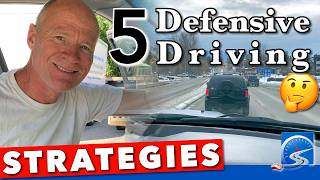
NZ Transport Agency: Let Driving Distract You
The campaign immersed viewers in a relentless, overwhelming barrage of phone notifications, social media alerts, and digital chatter, powerfully demonstrating the impossible task of focusing on driving amidst such constant digital distraction and urging them to put their phones away.
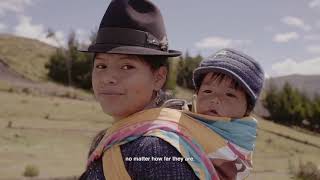
Fundación Vivir: Mother Blanket
Fundación Vivir transformed traditional Ecuadorian Andean baby blankets into a pediatric evaluation system, embedding WHO-approved growth patterns in native dialect to empower isolated mothers to continuously monitor their babies' development, leveraging a centuries-old cultural connection to combat chronic malnutrition.
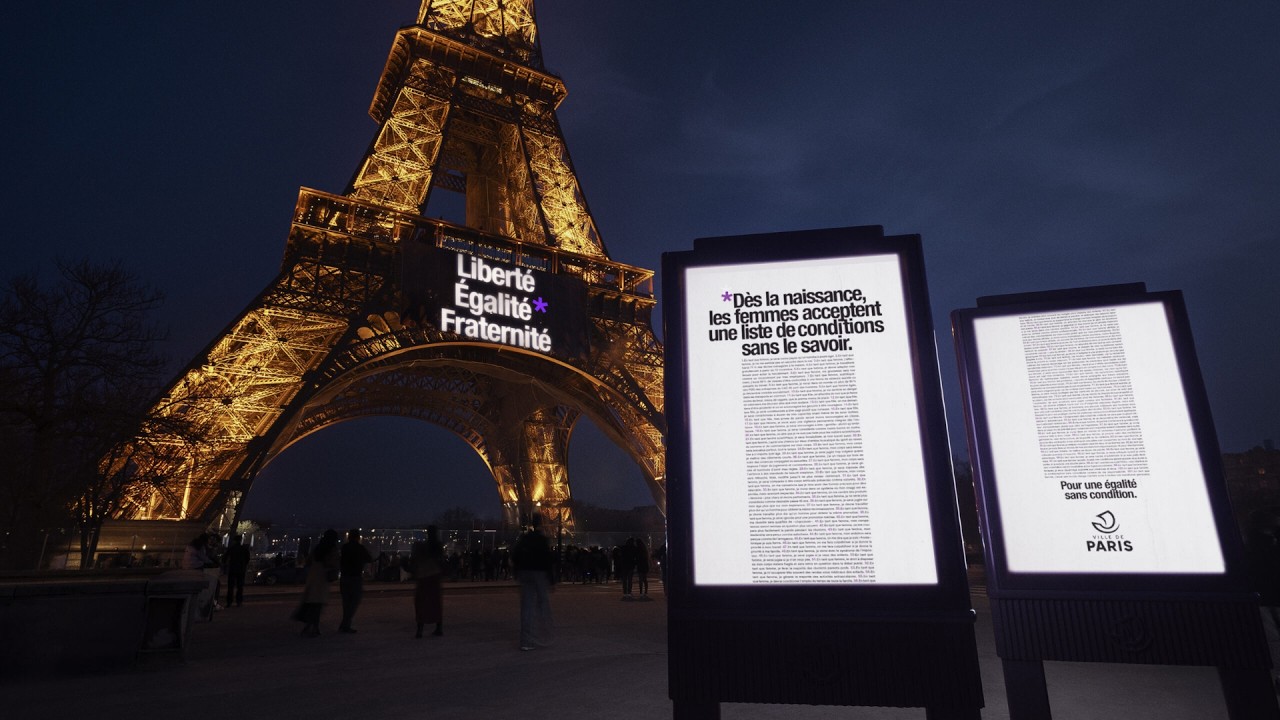
Ville de Paris: Terms and Conditions of Being a Girl
The campaign exposed the systemic inequality women face by framing societal biases as hidden legal 'terms and conditions.' It used the French motto as a canvas to force a national conversation about the gap between equality in theory and reality.
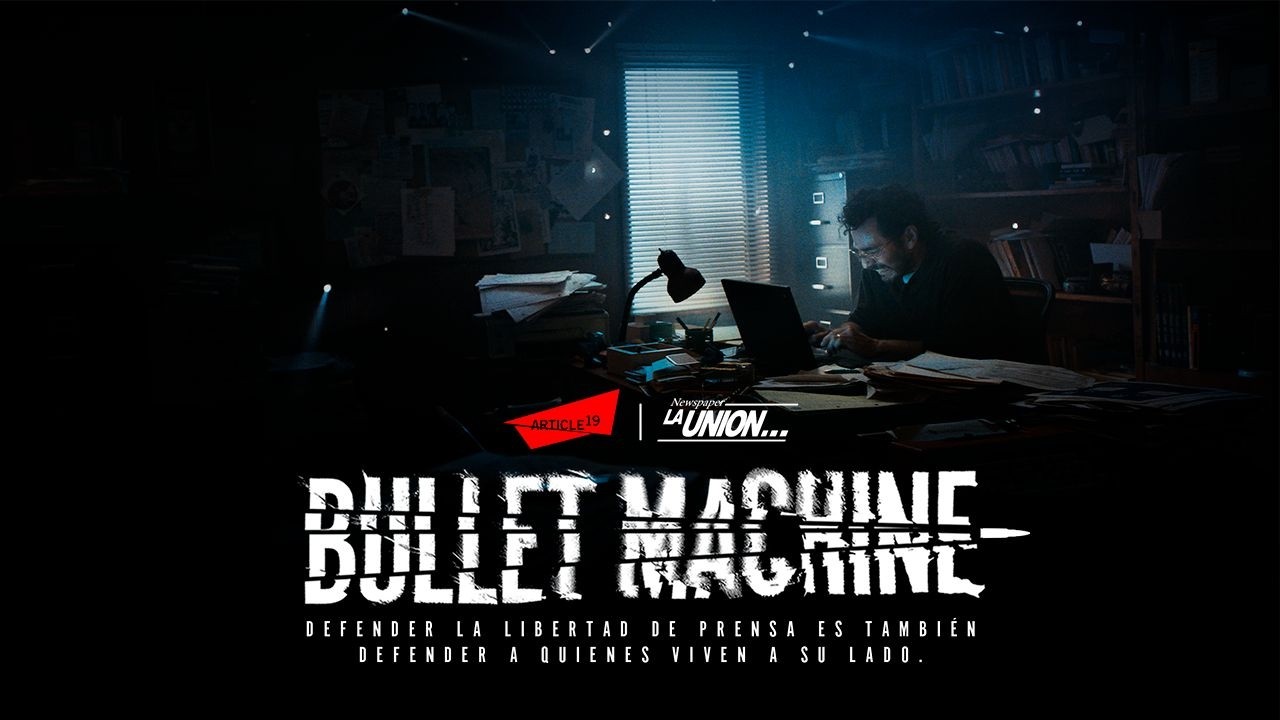
La Union: Bullet Machine
The campaign dramatizes the terrifying reality of Mexican journalists by depicting a home invasion as a metaphor for censorship, forcing the public to confront the domestic cost of the silence imposed on those who report the truth.
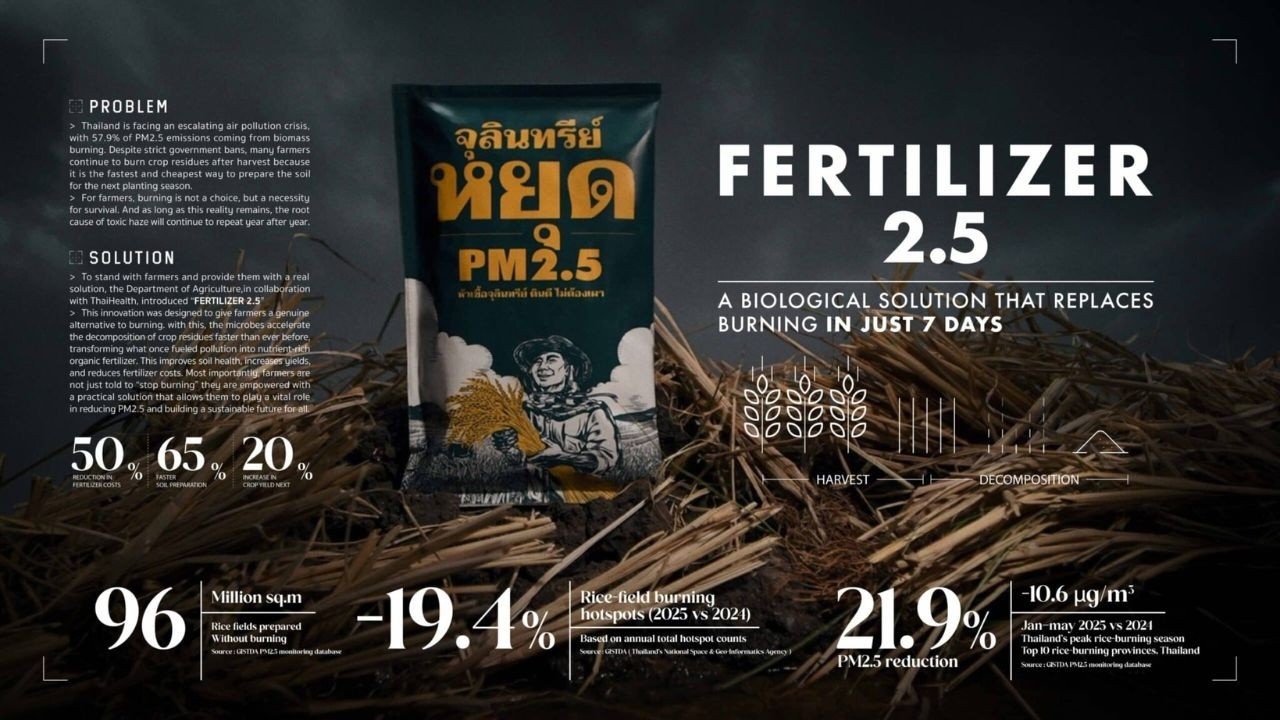
Thai Health Promotion Foundation: Fertilizer 2.5
Instead of banning rice straw burning, the campaign introduced a microbial solution that decomposes crop residue into soil nutrients in days. By making the sustainable alternative faster and cheaper than burning, it eliminated the need for combustion entirely.

Hospice NZ: Dying Reviews
Hospice NZ turned the dying experience into a public review system, evaluating businesses on their compassion. By quantifying the systemic failures in how society treats the terminally ill, they forced corporations to confront their lack of dignity and design for the end of life.
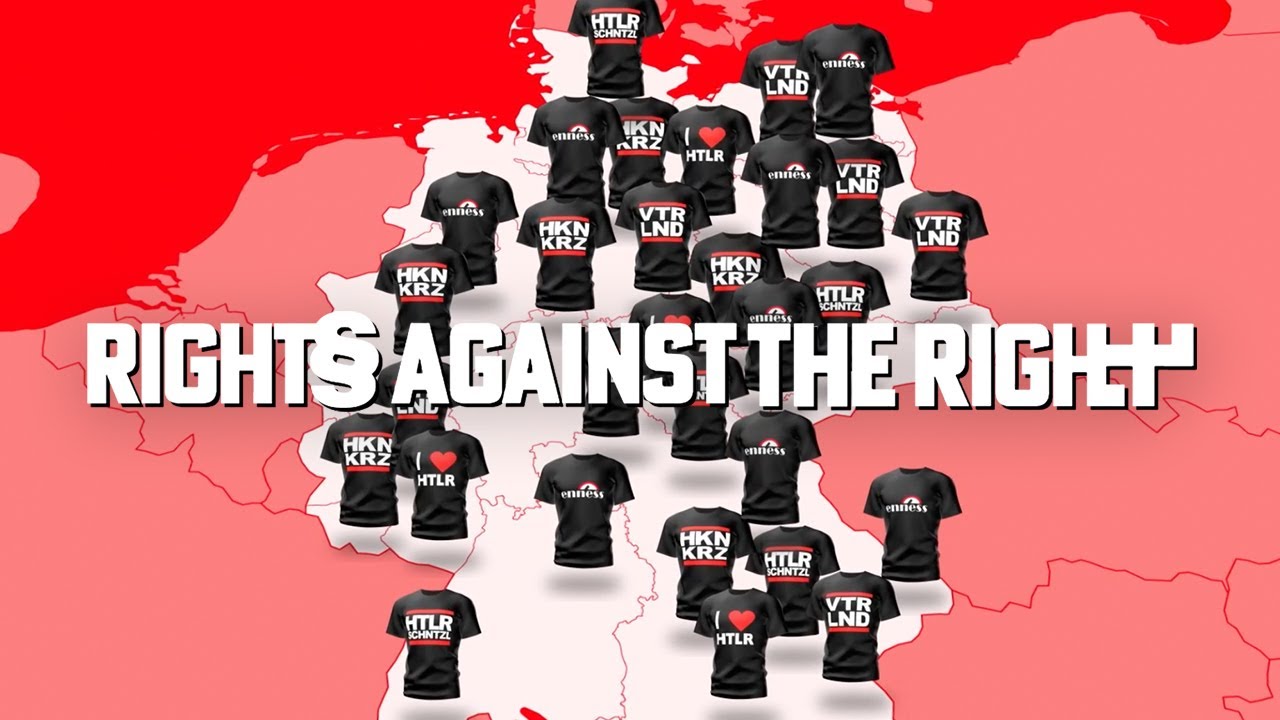
Laut Gegen Nazis: Shoplefting
The NGO legally registered neo-Nazi codes as trademarks, transforming the hate symbols into intellectual property. This allowed them to force shops to destroy the merchandise and pay compensation, effectively weaponizing trademark law to bankrupt the funding sources of extremist organizations.

The Cancer Support Community: 867-5309
The Cancer Support Community transformed pop culture's most famous phone number into a functional helpline. By repurposing a legendary cultural artifact, they turned a nostalgic trivia point into an accessible, life-saving resource for people impacted by cancer.
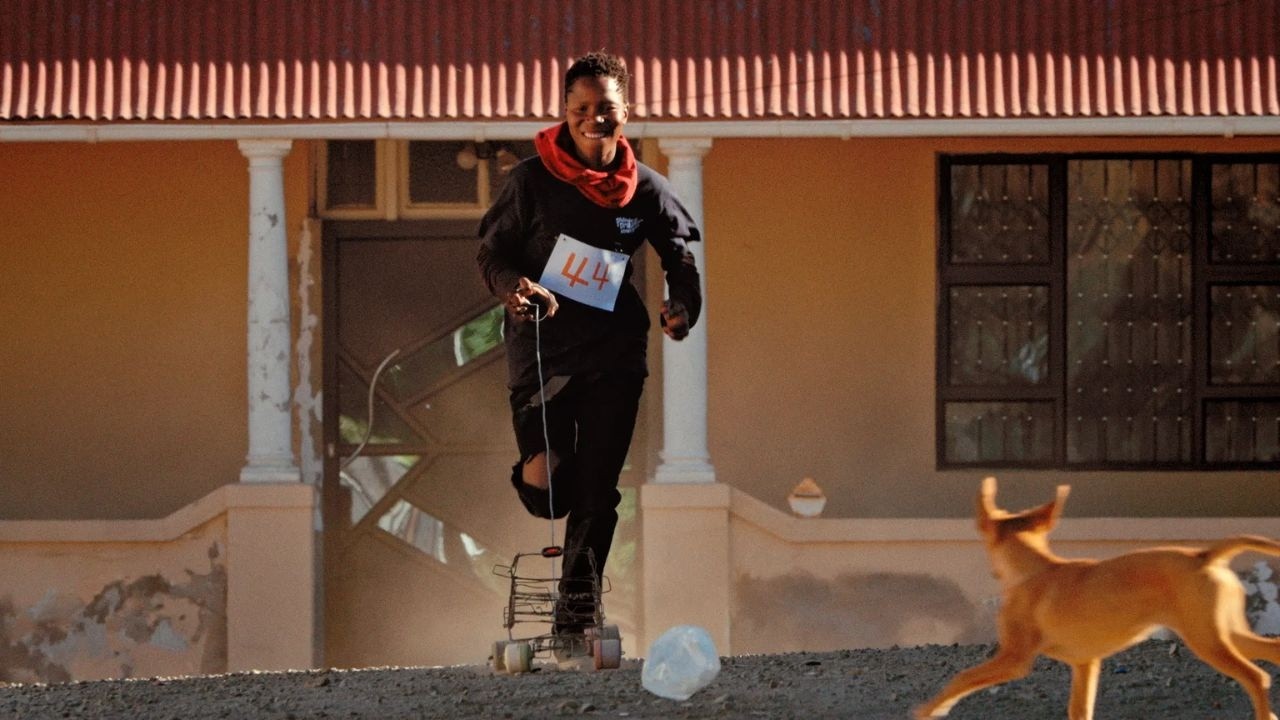
The Philipstown Wirecar Grand Prix
To save a remote town from decline, the foundation digitally mapped local wirecar races, transforming children's scrap-metal creations into a high-octane virtual Grand Prix. This globalized their local passion, securing funding and opportunities for the community through technology and storytelling.
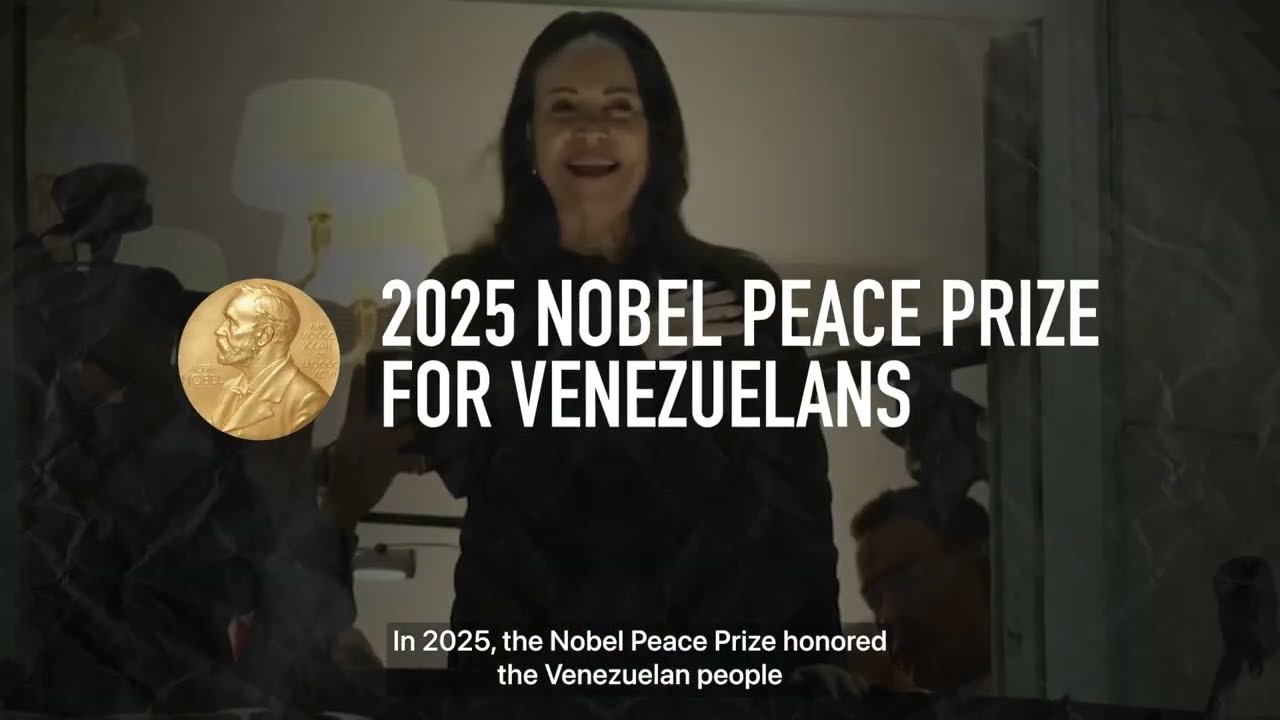
Comando con Venezuela: 600K Network
To bypass a regime's election censorship, Comando con Venezuela turned 600,000 citizens into a decentralized verification network, using official ballot QR codes to capture and publish real-time results, proving the opposition's victory despite state-controlled electoral authorities.
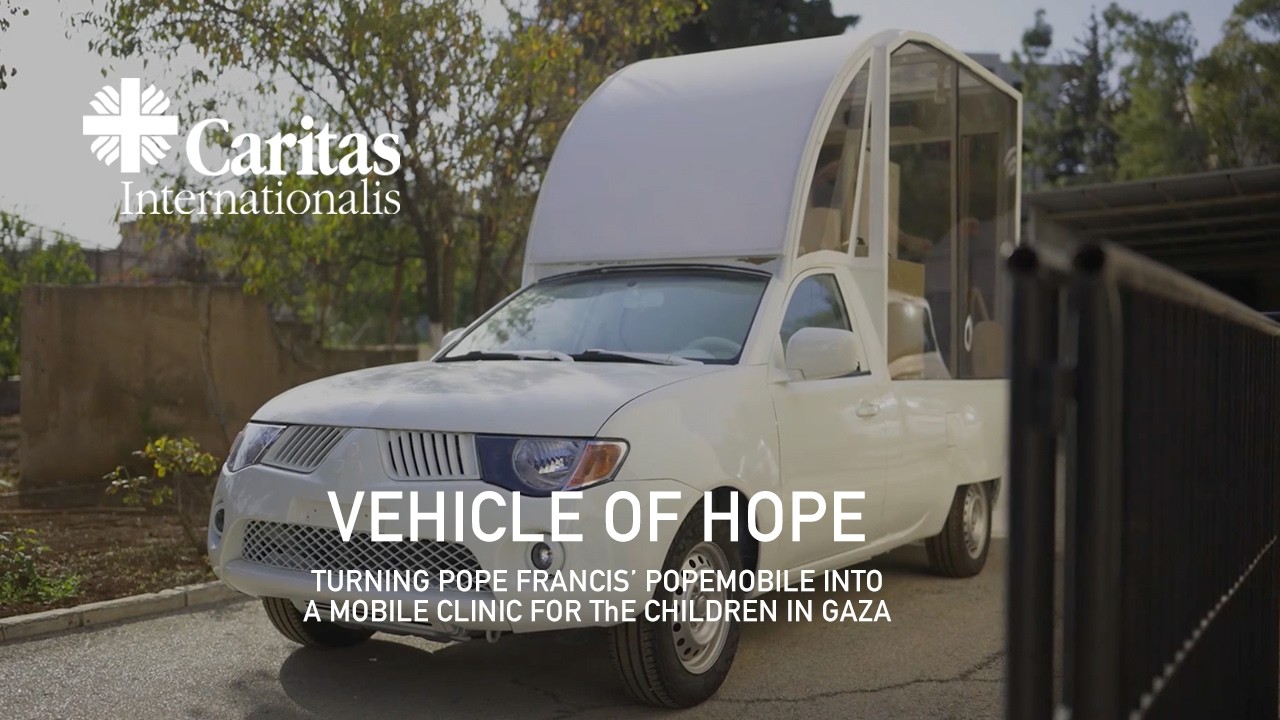
Caritas: Vehicle of Hope
Caritas transformed Pope Francis's former popemobile into a mobile pediatric clinic for Gaza, using a globally recognized religious symbol to bypass political deadlock and force international attention onto the urgent humanitarian healthcare crisis facing children in the region.
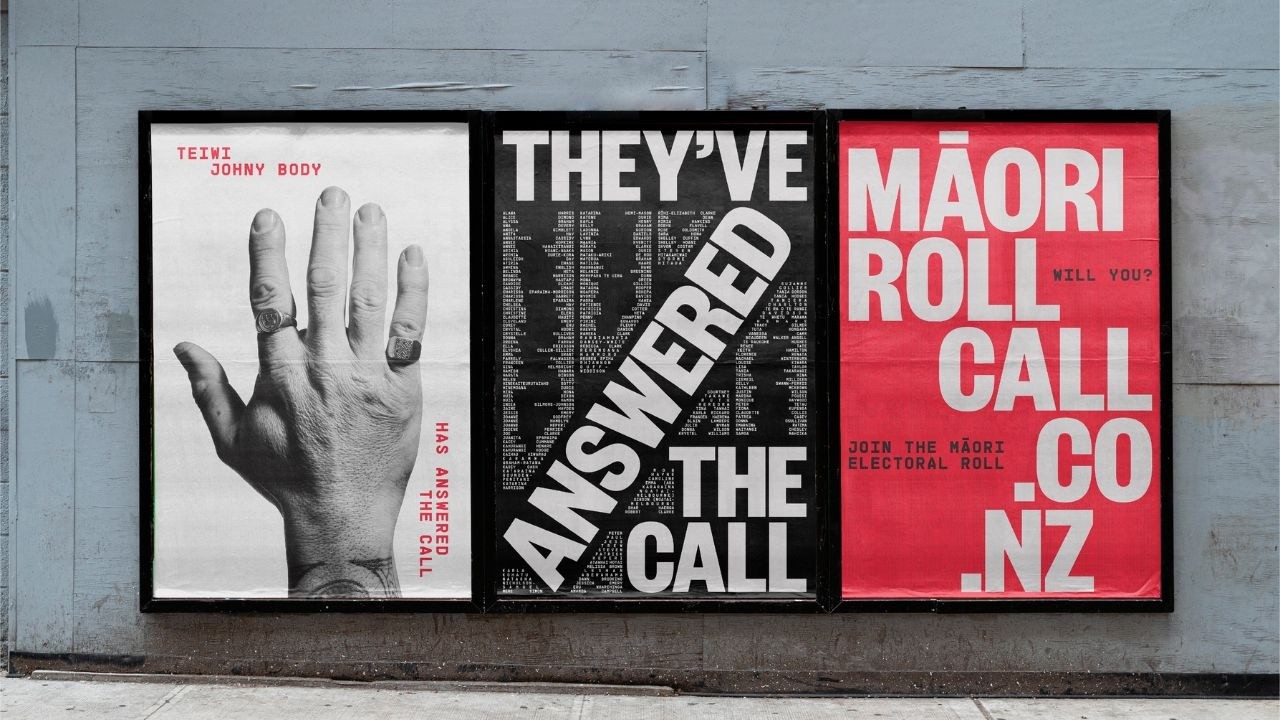
Whānau Ora: The Māori Roll Call
The campaign transformed bureaucratic voter registration into a powerful, public act of cultural visibility by reading real Māori names aloud, turning an invisible civic process into a collective, urgent statement of identity and political self-determination.