Donate Life California: Second Chances
Donate Life California needed to increase organ donor registrations among Americans who believed in donation but hadn't signed up. The goal was to find an innovative way to highlight the personal value of becoming a donor and overcome registration inertia, ultimately saving more lives.
Creative Idea
Police gave organ donors a 'second chance' on traffic tickets, linking donation to immediate reward.
Donate Life California partnered with police to create a unique traffic stop initiative where officers gave drivers a 'second chance' on minor infractions if they were registered organ donors, powerfully connecting the act of donation to real-life consequences and rewards.
Turning a Moment of Dread into a Second Chance
Thirty Rejections Before One Yes
The path to production was a year - long exercise in persistence. Casanova//McCann reached out to over 30 police departments across Southern California, most of whom declined the partnership out of fear that "trading" citations for donor status would be perceived as unethical. The breakthrough came when Chief Raymund Aguirre of the Cal State Fullerton University Police recognized the initiative as a community - minded win. This pro bono effort eventually transformed the universal anxiety of a traffic stop into a profound brand experience, proving that even the most rigid institutions can embrace creative disruption.
Unscripted Relief and Hidden Cameras
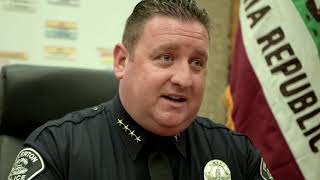 To capture the raw, emotional transition from fear to gratitude, the production team at Craft Worldwide utilized a documentary - style approach. Using hidden cameras and following officers like Captain Scot Willey on real patrols, they filmed genuine California drivers pulled over for minor infractions like illegal U - turns. The "talent" had no idea they were part of a campaign until the moment the officer handed them a Second Chance Ticket instead of a fine. This authenticity resonated globally, generating millions of organic impressions and a 19% increase in registrations in participating regions.
From Local Stunt to Global Blueprint
What began as a local California activation quickly became a scalable "road map" for law enforcement. The campaign’s success led to an international expansion with the Calgary Police Service in Canada. Beyond the metrics, the work signaled a milestone for multicultural agencies, as Casanova//McCann became the most - awarded Hispanic agency at Cannes for two years running. By making the small "pink dot" on a driver’s license the hero of the story, the agency proved that niche design elements can drive massive cultural impact.
Creative Strategy Deconstructed
Company
Donate Life California could credibly leverage its mission and partnerships to create impactful, real-world engagement for organ donation.
Category
The organ donation category typically relies on emotional appeals and statistics to encourage registration, often lacking immediate, personal incentives.
Customer
The audience believed in organ donation but often procrastinated registering, needing a tangible, immediate incentive to overcome inertia.
Culture
A cultural desire for positive community engagement and unexpected acts of kindness made this unique police initiative resonate.
Company
Donate Life California could credibly leverage its mission and partnerships to create impactful, real-world engagement for organ donation.
Category
The organ donation category typically relies on emotional appeals and statistics to encourage registration, often lacking immediate, personal incentives.
Strategy:
Transform an abstract altruistic act into a tangible, immediate personal reward to drive participation.
Customer
The audience believed in organ donation but often procrastinated registering, needing a tangible, immediate incentive to overcome inertia.
Culture
A cultural desire for positive community engagement and unexpected acts of kindness made this unique police initiative resonate.
Strategy:
Transform an abstract altruistic act into a tangible, immediate personal reward to drive participation.
Results
The video highlights the problem statement with specific metrics but does not provide results *achieved by the campaign itself*. The core metrics presented are related to the problem the campaign addresses: - 95% of Americans believe in organ donation. - Only 58% of Americans are registered organ donors. - Over 115,000 Americans are on the organ waiting list. - Every day, 22 people nationally die because they do not have an organ waiting for them.
115,000+
Americans on organ waiting list
22
people die daily awaiting organs
58%
registered organ donors
Strategy Technique
Dramatize the Invisible Benefit
Organ donation's life-saving impact is often abstract until personally experienced. This campaign dramatically visualized an immediate, tangible benefit for donors, making the invisible positive consequence of their choice visible and rewarding.
Explore Technique
Creative Technique
Reverse Expectations
The campaign subverted the typical negative outcome of a traffic stop, surprising drivers with leniency if they were organ donors. This unexpected twist directly linked the act of giving a 'second chance' at life to receiving one.
Explore Technique
Craft Breakdown
The campaign's craft is exceptional due to its innovative creative strategy, which cleverly transforms a negative experience (traffic stop) into a powerful, positive message for organ donation.
The core idea of turning a dreaded traffic ticket into a 'second chance' for organ donors is a stroke of genius, creating a highly memorable and emotionally resonant experience.
The phrase 'second chance ticket' and the officers' dialogue in explaining the concept are perfectly crafted to convey empathy and underscore the life-saving impact of organ donation.
The genuine, unscripted reactions of the drivers, ranging from apprehension to disbelief to emotional gratitude, are incredibly authentic and vital to the campaign's impact.
The direction effectively captures the candid, almost documentary-style interactions, ensuring that the emotional shifts feel natural and powerful without seeming staged.
“The true magic of this campaign lies in the powerful synergy between an ingenious creative strategy and the authentic, empathetic execution by the police officers and drivers.”