U.S. Department of Veterans Affairs: The Bravest Thing
The U.S. Department of Veterans Affairs and the Ad Council tasked GSD&M with reducing veteran suicide rates. They needed to reach veterans who were struggling but hesitant to seek help due to the perceived stigma of weakness. The goal was to encourage upstream action - reaching out before a crisis occurs - by changing how veterans and their families perceive mental health support.
Creative Idea
Redefined bravery by showing that a veteran's most courageous act is asking for help.
The campaign reframes the act of seeking mental health support as the ultimate act of courage by showing veterans through the eyes of their loved ones, transforming the warrior archetype from stoic silence into brave vulnerability.
Redefining the Warrior Archetype Through Vulnerability
Five More Minutes of Hope
The campaign features a deeply personal connection to its talent, The War And Treaty. The Grammy - nominated duo’s involvement is rooted in a real - life crisis where Tanya Trotter convinced her husband, Veteran Michael Trotter Jr., to stay alive by asking for just "five more minutes." This narrative of domestic resilience informs the campaign’s "upstream" strategy, which encourages Veterans to seek support for life stressors like financial or relationship issues before they escalate into a crisis.
The Power of Donated Media
Since its inception, the broader "Don’t Wait. Reach Out." initiative has achieved massive scale through the Ad Council’s model, securing $81 million in donated media value. The PSAs are distributed to over 1,850 broadcast TV stations and supported by major platforms including Twitch, Reddit, and Meta. This reach has translated into tangible behavioral change, with 3.4 million Veterans reporting they took action to seek help after encountering the campaign.
Authenticity Behind the Lens
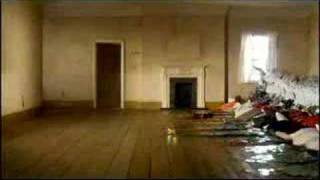
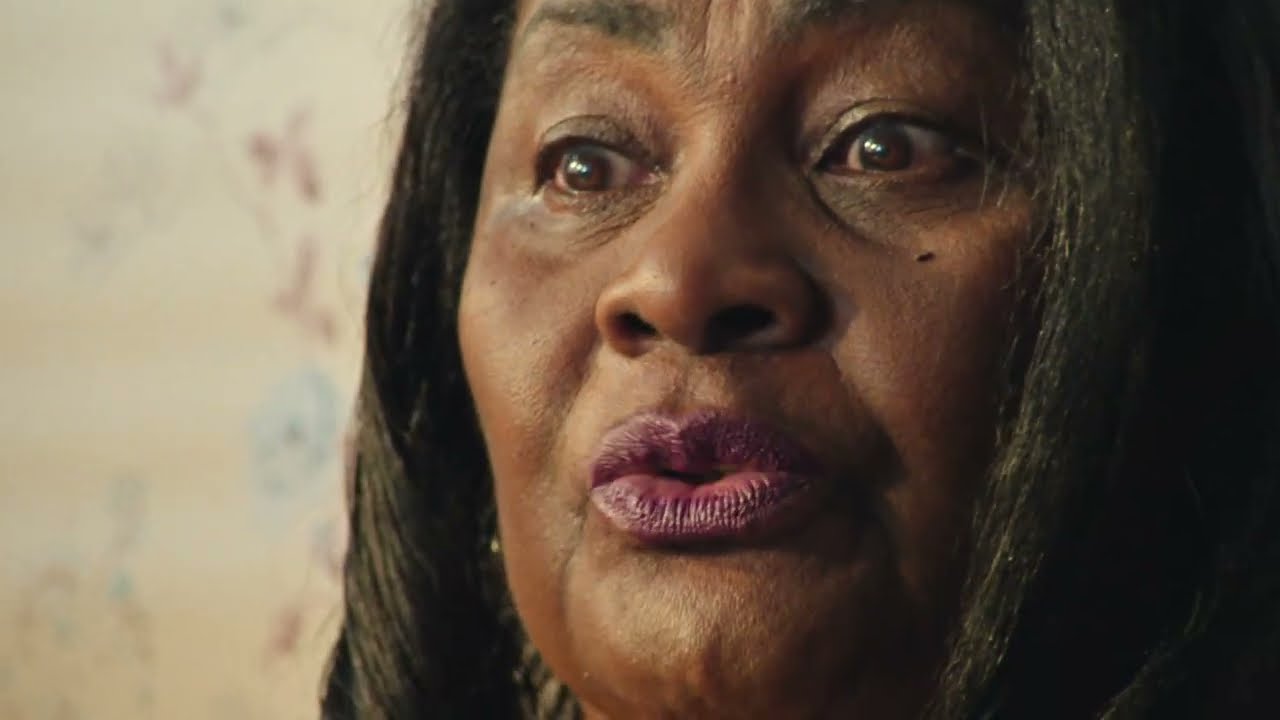
Director Andre Muir and DP Brandon Hoeg utilized a poetic, human - centric visual style to capture the "eyes of loved ones." To avoid the "Hollywood" tropes of military life, the production prioritized casting real Veterans and their actual family members. By focusing on quiet, domestic vignettes rather than battlefield imagery, the creative team at GSD&M successfully aligned mental health support with the core military value of bravery, reaching over 9.2 million Veterans to date.
Creative Strategy Deconstructed
Company
A trusted government institution providing comprehensive support resources and a national network for veteran wellness.
Category
Public service ads often focus on the tragedy of crisis rather than the strength of prevention.
Customer
Veterans feel that admitting struggle contradicts their identity as strong, self-reliant warriors who must protect others.
Culture
A cultural shift toward honest masculinity where vulnerability is increasingly recognized as a form of resilience.
Company
A trusted government institution providing comprehensive support resources and a national network for veteran wellness.
Category
Public service ads often focus on the tragedy of crisis rather than the strength of prevention.
Strategy:
Redefine the core identity of the target group to include the very behavior they currently avoid.
Customer
Veterans feel that admitting struggle contradicts their identity as strong, self-reliant warriors who must protect others.
Culture
A cultural shift toward honest masculinity where vulnerability is increasingly recognized as a form of resilience.
Strategy:
Redefine the core identity of the target group to include the very behavior they currently avoid.
Strategy Technique
Reframe the Problem
It shifts the perception of seeking help from a sign of weakness to a sign of strength, aligning mental health with the core military value of courage.
Explore Technique
Creative Technique
Reverse Expectations
It subverts the traditional military definition of bravery - usually associated with combat - by positioning the vulnerable act of asking for help as a veteran's most courageous moment.
Explore Technique
Craft Breakdown
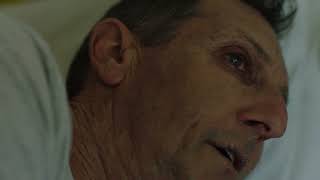
The campaign excels through its intimate cinematography and authentic acting, reframing the concept of military bravery as the courage to be vulnerable.
The use of extreme close-ups and shallow depth of field creates an intense sense of intimacy and empathy with the subjects.
The performances feel deeply authentic and unscripted, capturing genuine emotional nuances that ground the campaign's message.