Epuron: The Power of Wind.
Epuron wanted a campaign to change public perception of wind power. The challenge was to transform wind, often seen as annoying or destructive, into a valued, purposeful resource for renewable energy. They needed to humanize wind, making it relatable and demonstrating its potential. The goal was to educate the audience and foster acceptance for wind energy projects.
Creative Idea
Epuron personified wind as a misunderstood character to show its potential as a valuable renewable energy source.
Epuron created a clever marketing campaign that personifies wind as a misunderstood character, giving human emotions to a natural element to help people see wind's potential and importance in renewable energy. By humanizing wind, the brand creatively communicates how wind power can be useful and valuable, transforming something seemingly annoying into a purposeful resource.
Giving the Invisible Force a Soul
The Last Man in the Room
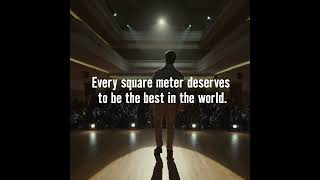
The success of the campaign hinged entirely on finding a human who could embody the wind. Directors The Vikings (Bjoern Ruehmann and Joakim Reveman) auditioned hundreds of actors before finding Guillaume Delaunay. Standing 6 feet 9 inches tall, the French actor was the final person to walk into the casting session on the last day. His naturally weather - beaten features and melancholic physical presence allowed the production to avoid heavy prosthetics, relying instead on subtle makeup and lighting to create his "elemental" look.
A Masterclass in Personification
 While most environmental ads of the mid - 2000s were didactic or "preachy," Nordpol+ Hamburg utilized French New Wave cinematography to create a 90 - second mystery. The film functions as a narrative bait - and - switch; viewers initially perceive Mr. W as a social deviant or a nuisance before the final reveal at the wind farm. This approach successfully softened the "NIMBY" (Not In My Backyard) attitude prevalent in Germany at the time by transforming a technical, invisible force into a sympathetic character with a purpose.
From B2B to Global Viral Sensation
Though commissioned by Epuron and the German Federal Ministry for the Environment to attract institutional investors, the film became one of the first true viral hits of the "web film" era. By 2014, it had surpassed 4 million views on YouTube. The impact was more than just cultural; Epuron reported a significant surge in interest from investors across France and Germany following the launch. The campaign also marked a major rebranding for the company, which changed its name from Voltwerk AG to the more international - sounding Epuron just as the ad debuted.
Creative Strategy Deconstructed
Company
Epuron provides the technical expertise and infrastructure to harness wind energy. They have the unique ability to give a 'job' to a natural element that otherwise feels purposeless and chaotic to the public.
Category
The renewable energy sector typically relies on dry, technical explanations or sterile visuals of turbines. Most campaigns fail to create an emotional bond between the natural resource and the end consumer.
Customer
People experience wind as a daily annoyance that ruins hair, flips umbrellas, and creates chaos. There is a disconnect between the physical frustration of wind and its abstract benefit as a clean power source.
Culture
A growing cultural shift toward sustainability required more than just facts; it needed storytelling that made environmentalism relatable, empathetic, and human-centric rather than purely scientific.
Company
Epuron provides the technical expertise and infrastructure to harness wind energy. They have the unique ability to give a 'job' to a natural element that otherwise feels purposeless and chaotic to the public.
Category
The renewable energy sector typically relies on dry, technical explanations or sterile visuals of turbines. Most campaigns fail to create an emotional bond between the natural resource and the end consumer.
Strategy:
Personify the wind as a misunderstood misfit to transform a daily nuisance into a productive and valuable resource.
Customer
People experience wind as a daily annoyance that ruins hair, flips umbrellas, and creates chaos. There is a disconnect between the physical frustration of wind and its abstract benefit as a clean power source.
Culture
A growing cultural shift toward sustainability required more than just facts; it needed storytelling that made environmentalism relatable, empathetic, and human-centric rather than purely scientific.
Strategy:
Personify the wind as a misunderstood misfit to transform a daily nuisance into a productive and valuable resource.
Strategy Technique
Reframe the Problem
The campaign reframed public perception of wind, transforming it from an annoying element. It repositioned wind as a valued, purposeful resource for renewable energy.
Explore Technique
Creative Technique
Character
The campaign personifies wind as a distinct character with human emotions. This helps audiences relate to wind's potential and importance for renewable energy.
Explore Technique
Craft Breakdown
This campaign masterfully personifies an abstract concept (wind) through compelling narrative, subtle acting, and exceptional sound design, transforming a destructive force into a metaphor for misunderstood potential.
The voiceover script brilliantly uses human emotional language to describe the intrinsic nature and impact of wind, making an abstract concept deeply relatable.
The lead actor delivers a nuanced performance, conveying profound isolation, frustration, and eventual joy through subtle facial expressions and body language, which is crucial for the personification to work.
The sound design is meticulously crafted, subtly integrating wind effects into the protagonist's movements and interactions, making the unseen force palpable and reinforcing his impact on the world.
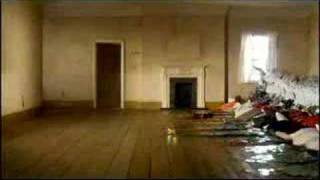
Thoughtful framing and evocative environmental shots consistently capture the protagonist's isolation and the broad reach of his disruptive, yet ultimately powerful, presence.
“The campaign's magic truly shines through the synergy of its poignant voiceover, the lead actor's empathetic portrayal, and the seamless, inventive sound design that brings the invisible force to life, making the abstract relatable.”