Pinacoteca Art Museum: Curiosity
The Pinacoteca Art Museum - working with F/Nazca Saatchi & Saatchi - wanted to make art more accessible and engaging, especially for families. They needed to challenge the perception of museums as intimidating, aiming to connect with younger audiences. The client sought to demonstrate that natural curiosity, particularly in children, was itself a powerful form of artistic expression, encouraging new, interactive museum experiences.
Creative Idea
Pinacoteca turned children's curious questions and interactions into museum exhibits.
Pinacoteca Art Museum created a campaign that transformed curious children's questions and actions into actual art exhibits, showing how children's natural curiosity is itself a form of artistic creativity. By displaying children's unexpected questions and playful interactions with art as part of their museum experience, the campaign celebrated curiosity as an essential artistic attitude.
Inventing a Movement to Sell an Empty Room
The French Mockumentary Strategy
To maintain prestige during a year - long renovation of its permanent collection, F/Nazca Saatchi & Saatchi avoided apologizing for the empty walls. Instead, they invented a fictional art movement called "Le Curiosism" (Curiosismo). To ensure the "movement" felt authentic and sophisticated rather than like a marketing gimmick, the lead film was shot entirely in French with Portuguese subtitles. This high - production mockumentary style was so effective that many visitors believed they were discovering a genuine, obscure historical period they had simply never studied.
Turning a Void into a Masterclass
 The campaign is now a staple in advertising schools as a masterclass in problem - solving creativity. Creative Director Fabio Fernandes famously framed the museum’s closure as the perfect excuse to celebrate the core driver of art appreciation: curiosity. The agency even authored a formal "Curiosism Manifesto," defining it as the art of looking at what isn't there. This philosophical pivot transformed a logistical "weakness" into an institutional strength, shifting Pinacoteca’s image from a static building to a bold, contemporary brand.
From Empty Walls to Collector's Items
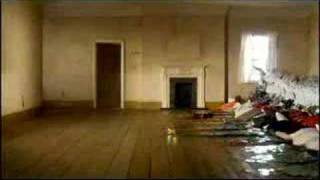
The production involved more than just film; it featured physical installations where famous paintings usually hung, highlighting the "void." The campaign’s art book, designed by Bruno Oppido, became a coveted collector's item within the Brazilian design community. The project also served as a launchpad for directors Jones + Tino (Ricardo Jones and Tino) of Delicatessen Films, who utilized the project's cinematic requirements to propel themselves into international careers at Stink Films. Under the leadership of Marcelo Araújo, the museum successfully prevented the expected drop in foot traffic, proving that an "empty" museum could be just as engaging as a full one.
Creative Strategy Deconstructed
Company
Pinacoteca, as a leading art institution, possessed the cultural authority to curate and validate what defines 'art' within its gallery spaces. It leveraged its physical environment to turn abstract childhood questions into tangible, museum-grade exhibits.
Category
The museum category often enforces a 'look but don't touch' atmosphere where art is presented as a static, finished product. Traditionally, the audience is expected to remain passive, silent, and reverent rather than inquisitive.
Customer
Parents and educators sought ways to bridge the gap between high culture and children’s natural, often disruptive, impulses to explore. They desired an environment where their children's questions were treated as intellectual assets rather than interruptions.
Culture
A global shift in modern education began prioritizing the 'spirit of inquiry' and the creative process over rote memorization. This cultural zeitgeist made the raw, unpolished thoughts of children feel more valuable and artistically relevant.
Company
Pinacoteca, as a leading art institution, possessed the cultural authority to curate and validate what defines 'art' within its gallery spaces. It leveraged its physical environment to turn abstract childhood questions into tangible, museum-grade exhibits.
Category
The museum category often enforces a 'look but don't touch' atmosphere where art is presented as a static, finished product. Traditionally, the audience is expected to remain passive, silent, and reverent rather than inquisitive.
Strategy:
Elevate children's raw curiosity to the status of high art to redefine the museum as a participatory experience.
Customer
Parents and educators sought ways to bridge the gap between high culture and children’s natural, often disruptive, impulses to explore. They desired an environment where their children's questions were treated as intellectual assets rather than interruptions.
Culture
A global shift in modern education began prioritizing the 'spirit of inquiry' and the creative process over rote memorization. This cultural zeitgeist made the raw, unpolished thoughts of children feel more valuable and artistically relevant.
Strategy:
Elevate children's raw curiosity to the status of high art to redefine the museum as a participatory experience.
Strategy Technique
Reframe the Problem
The campaign challenged the perception of museums as intimidating and inaccessible. It reframed the problem by demonstrating that natural curiosity is itself a powerful form of artistic expression, making art engaging for families.
Explore Technique
Creative Technique
Celebrate an Attitude
The campaign elevated children's natural curiosity, transforming their questions and actions into art exhibits. It positioned curiosity as an essential artistic attitude, making the museum a symbol of this open, engaging ethos.
Explore Technique
Craft Breakdown
This campaign's craft is exceptional in its conceptual execution, vividly illustrating an abstract idea through relatable and charmingly quirky scenarios, elevated by sharp copywriting and distinctive art direction.
The central metaphor of human curiosity as an inner cat is brilliantly conceived and consistently reinforced through evocative voiceover text.
The visual interpretations of each 'cat' behavior are creative and diverse, using masks and subtle cues to maintain the theme without becoming repetitive.
The precise editing maintains a compelling rhythm, skillfully transitioning between varied scenes to build narrative momentum and enhance the ad's whimsical yet mysterious tone.
The use of evocative lighting, particularly in scenes with sunbeams and dimly lit interiors, along with varied shot compositions, contributes significantly to the ad's atmospheric mood.