Advertising is usually the uninvited guest at the dinner party, but museum ads are the reason people get dressed up in the first place. Most brands are terrified of friction - they want to be as seamless and invisible as possible - but the campaigns in this playlist do the exact opposite. They build walls, charge admission, and demand that you stand still. By moving from the "feed" to the "foyer," brands like the Museum for the United Nations: Sounds Right stop trying to be "content" and start trying to be "culture." It is a high - stakes pivot from selling a product to curating an experience.
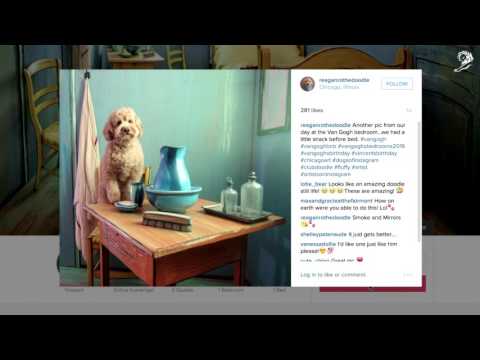
The common mistake in cultural advertising is treating a museum like a billboard with better lighting. These campaigns succeed because they understand that a museum is a psychological status symbol. Take Heineken - Pub Museums, which didn't just put posters in bars; it exploited a "sophisticated B2B strategy" to turn Irish pubs into protected cultural assets. This wasn't just a PR stunt; it was a "legal loophole hack" that unlocked over €230,000 in preservation grants. Similarly, AirBnb: Van Gogh's Bedroom didn't just show a painting; it built a physical "forced perspective" room where every surface was "hand - painted with thick brushstrokes." When a brand commits to the craft this deeply, they aren't just borrowing equity - they are creating it.
Most ads are designed to be forgotten the moment you scroll past, but these projects lean into the permanence of the archive. They take the mundane - like a motion sickness bag - and elevate it to high art. In Dramamine - The Last Barf Bag, the brand didn't just apologize for making a product obsolete; they collaborated with "nausavatologists" to acquire a 7,000 - bag collection. This level of archaeological commitment is what separates a campaign from a collection. It is the same visceral energy found in Warsaw Ghetto Museum: Museum of Thousands of Names, where the brand identity isn't just a logo, but a "systematic fusion of Yiddish and Latin characters" representing 450,000 human beings. This isn't data visualization; it is data physicalization. It uses the weight of history to bypass the viewer’s internal ad - blocker and hit them in the gut.
Buying Authority Is More Expensive Than Buying Impressions
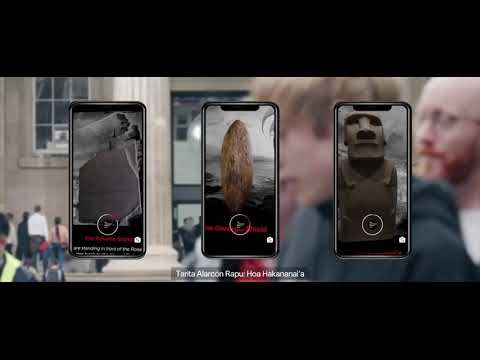
The museum context also allows brands to play with truth in ways a standard billboard never could. It permits a level of technical obsession that would be overkill in any other medium. For VICE: The Unfiltered History Tour, the creative team "never stepped foot inside the British Museum" during development, instead mapping the entire floor plan using "Google Earth and LiDAR data" across ten timezones. This isn't just a clever use of AR; it is a heist. It turns the museum’s own architecture against its colonial narrative. When a brand invests this much in the "how," the "what" becomes secondary to the sheer audacity of the execution. It transforms the brand from an intruder into a storyteller with enough skin in the game to be taken seriously by the curators.
Finally, these campaigns succeed because they understand that "high culture" is the ultimate age gate. While most brands are fighting for the broadest possible reach, the Vienna Tourist Board - Vienna Strips on OnlyFans intentionally moved their art behind a $4.99 paywall to prove a point about censorship. This friction wasn't a barrier; it was the strategy. It is the same logic that drove Louvre Abu Dhabi: Highway Gallery to hijack FM frequencies to turn a 100km commute into a narrated tour. These brands aren't just buying media; they are hijacking the user’s environment to create a "judgment - free zone" where art can actually be processed. By the time the consumer realizes they have been "marketed to," they have already spent ten minutes contemplating a masterpiece, and that is a conversion rate no banner ad can ever touch.
If your creative strategy doesn't feel like it belongs in a permanent collection, you are just making noise. The best ads don't just sell you something; they make you feel like you are walking through a history you never want to leave.