Bodyform - Pain Stories
Bodyform approached AMV BBDO needing to challenge the pervasive dismissal of women's pain and the gender pain gap. The client wanted to empower women to break the silence and shame surrounding their experiences, from endometriosis to vaginismus. The goal was to create a platform that encouraged sharing #PainStories, raising awareness, and ultimately demanding better medical recognition and care for women's complex pain.
Creative Idea
Bodyform collected and published women's personal stories about their pain.
Bodyform created a powerful campaign called #PainStories to break the silence around women's health issues by collecting and sharing real, unfiltered personal stories about women's pain experiences. The brand aimed to challenge medical dismissiveness and raise awareness about the gender pain gap by giving women a platform to openly discuss their often-ignored medical challenges.
Giving a Voice to the Seven Year Wait
From Personal Agony to the Pain Dictionary
The campaign was deeply rooted in the lived experience of AMV BBDO creative Augustine Cerf, who struggled to find the language to describe her own undiagnosed endometriosis. This personal mission led to the creation of the Pain Dictionary, a tool that replaced the reductive 1 - 10 medical scale with visceral metaphors. To build this lexicon, the team used research techniques similar to art therapy, asking sufferers to describe their pain as a person or a place. This process unearthed descriptions like "inner wringing" and the now - famous "goat jumping on an abdomen."
Visualizing the Invisible with 14 Artists
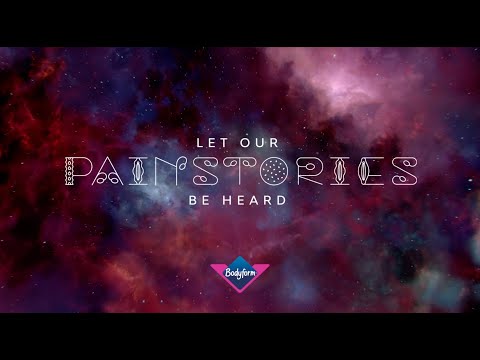 To bring these metaphors to life, the agency collaborated with 14 international artists, including Venus Libido and Victoria Villasana. These creators used diverse mediums - from needlework to 3D animation by Framestore - to visualize conditions like vaginismus and fire sickness. This artistic approach was central to the Pain Museum, a virtual exhibition curated by Ketchum that explored the history of medical "hysteria" and the systemic dismissal of women's health.
Moving the Needle in the Exam Room
The impact extended far beyond brand awareness. While Bodyform saw an 8.1% growth in market share and 1.5 billion earned impressions, the most significant results were clinical. In Russia, over 1,800 doctors attended seminars to integrate the Pain Dictionary into their practices. By highlighting that it takes an average of 7.5 years to diagnose endometriosis, the campaign successfully moved the "femcare" category away from "blue liquid" tropes toward radical, systemic advocacy for the 100 million viewers it reached globally.
Creative Strategy Deconstructed
Company
Bodyform had established itself as a provocative leader in menstrual health through previous campaigns like Bloodnormal. They possessed the brand equity and platform to move beyond product benefits into systemic advocacy for female health.
Category
The feminine care category traditionally focused on discreet product performance or idealized empowerment. Medical institutions and competitors alike treated women's pain as an inevitable, normal side effect of biology rather than a condition requiring diagnosis.
Customer
Women felt gaslit by healthcare providers and society, often suffering for years with conditions like endometriosis while being told their pain was just part of being a woman. They needed validation that their suffering was real.
Culture
A growing global movement demanding medical equity coincided with a digital culture of radical transparency. Society was finally ready to dismantle the 'hysteria' trope and listen to the lived experiences of marginalized bodies.
Company
Bodyform had established itself as a provocative leader in menstrual health through previous campaigns like Bloodnormal. They possessed the brand equity and platform to move beyond product benefits into systemic advocacy for female health.
Category
The feminine care category traditionally focused on discreet product performance or idealized empowerment. Medical institutions and competitors alike treated women's pain as an inevitable, normal side effect of biology rather than a condition requiring diagnosis.
Strategy:
Weaponize personal narratives to transform private suffering into a public demand for medical equity and systemic healthcare change.
Customer
Women felt gaslit by healthcare providers and society, often suffering for years with conditions like endometriosis while being told their pain was just part of being a woman. They needed validation that their suffering was real.
Culture
A growing global movement demanding medical equity coincided with a digital culture of radical transparency. Society was finally ready to dismantle the 'hysteria' trope and listen to the lived experiences of marginalized bodies.
Strategy:
Weaponize personal narratives to transform private suffering into a public demand for medical equity and systemic healthcare change.
Results
The video mentions that the Pain Dictionary acts as "a new tool for defining and diagnosing chronic pain," and explicitly states that it is "leading to shorter diagnosis times and proper treatment." Dr. Shireen Emadossadaty, an NHS Doctor, is quoted saying it's "a powerful tool that has a place in every GP's surgery." The campaign is said to be "fueling an ever-expanding cycle of women telling and sharing their pain stories." It launched a groundbreaking medical research report and an online pain museum. Additionally, the campaign aims to "educate more people about the complexity of the disease" and to "close the gender pain gap one story at a time."
Strategy Technique
Attack a Cultural Blind Spot
The campaign directly challenges the societal acceptance of dismissed women's pain. It calls out the gender pain gap, a pervasive cultural blind spot.
Explore Technique
Creative Technique
Spotlight the Overlooked
The campaign spotlights the often-ignored reality of women's pain experiences. It makes the invisible suffering and medical dismissiveness visible through real stories.
Explore Technique
Craft Breakdown
This campaign's craft is exceptional for its innovative fusion of a profound strategic idea with powerful visual artistry and digital innovation, giving tangible form and a collective voice to the invisible and often-dismissed experience of women's chronic pain.
The creation of a distinct, visceral, and emotionally resonant visual language for pain through powerful, red-toned abstract artworks transforms an internal experience into a shareable and comprehensible form.
The skillful execution of complex digital animations and 3D renderings, such as the stylized uterus with pulsating abstract shapes, brings the metaphorical pain descriptions to life with impactful and believable artistry.
“The campaign's magic truly emerges from the powerful combination of a groundbreaking strategic idea with compelling visual storytelling and the creation of accessible digital tools, transforming individual suffering into a collective movement for change.”