
Most "empowerment" ads are the equivalent of a participation trophy - well-meaning, slightly patronizing, and utterly forgettable. They lean on soft-focus lenses and vague platitudes about "strength," yet they rarely acknowledge the specific systems that make that strength necessary. The campaigns in this collection are different because they don't want your pat on the back; they want to break the machinery of the status quo. They realize that in a world of noise, being "nice" is a death sentence for a brand's relevance.
What separates a classic like P&G Always: Like a Girl from the sea of pink-washed mediocrity is the willingness to find a specific, painful friction point and poke it until it reacts. While competitors were busy showing girls smiling at mirrors, Leo Burnett turned a playground insult into a global reckoning. It started with a lean, "two-sentence brief" that evolved into a social experiment capturing the unscripted shift from the uninhibited power of childhood to the self-consciousness of puberty. This isn't just representation - it is a strategic intervention in the way language shapes reality. These ads succeed because they stop treating "womanhood" as a demographic and start treating the status quo as a design flaw that needs a patch.
Hacking the System is the New Media Buy
Craft in this category is often mistaken for "pretty" cinematography, but the real heavy hitters use craft as a Trojan Horse to bypass our collective filters. Look at Orange - WoMen's Football, which executed one of the greatest "emotional hacks" in recent history. In an era where every brand screams about AI, the team at Marcel Paris spent "five months on meticulous, frame-by-frame VFX" tracking to trick two billion fans into watching women’s highlights they thought were male stars. They didn't ask the audience to respect women’s sports; they forced them to admit they already did, they just didn't know it yet. This manual tracking ensured the shadows and lighting were seamless, preventing the skeptical "macho" audience from spotting the trick before the reveal.

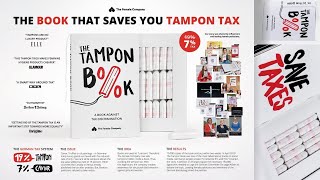
The most effective way to fight like a girl is to stop asking for permission and start exploiting the legal and cultural loopholes that keep inequality in place. This approach shifts the brand from "messenger" to "utility." The Female Company: The Tampon Book is the gold standard here. They didn't just complain about the "luxury tax" on hygiene products; they used "46 pages of literature" to legally transition tampons into a lower tax bracket. By hacking the tax code, they turned a product into a protest that reached the Bundestag. This is where the lens of this collection differs from a standard "purpose" reel. It’s not just about being good - it’s about being clever enough to win on a zero-euro media budget through sheer systemic audacity.
Iconic status in this space is reserved for brands that treat their data like a weapon. When Volvo: The E.V.A. Initiative open-sourced 40 years of crash data, they weren't just bragging about safety; they were exposing a "deadly truth of male-centric design" that had ignored women for decades. They even showcased "Linda," the world’s first virtual pregnant crash test dummy, to prove that "safety for all" was a lie. It’s the same logic used by SSGA: Fearless Girl, where a 50-inch bronze statue managed to dwarf a 7,100-pound bull through symbolic weight, eventually forcing "681 companies" to finally add women to their boards. These brands don't just join the conversation; they change the terms of the debate entirely.
The End of the Pink-Washed Platitude
These campaigns prove that the most powerful creative strategy isn't to mirror the world as it is, but to create a friction that makes it impossible to continue as usual. They don't just tell stories - they rewrite the code, the laws, and the search results that define what it means to fight.