Ariel: Share The Load
Ariel and BBDO Mumbai sought to drive brand growth in India by moving beyond functional stain-removal claims. They needed to connect emotionally with modern Indian women who were increasingly balancing professional careers with the sole burden of household chores. The goal was to increase brand salience and market share by addressing the cultural tension of domestic inequality among married couples.
Creative Idea
Redesigning wash care labels to state that laundry is a job for both genders.
Ariel challenged the deep-seated Indian norm that laundry is solely a woman's responsibility by redesigning wash care labels and matrimonial profiles, turning a mundane chore into a national conversation about gender equality and shared domestic labor.
The Laundry Label That Sparked a Decade of Change
From Personal Catharsis to Global Movement
The campaign’s soul was born from a "deep listening" process at BBDO India, where team members shared personal stories about domestic inequality. Lead creative Josy Paul described the process as a catharsis, admitting he realized he wasn't doing enough at home. This authenticity resonated globally, with Sheryl Sandberg calling the 2016 film one of the most powerful she had ever seen. To ground the creative in reality, every edition was backed by Nielsen data - such as the 2020 "Equal Sleep" insight that 71% of Indian women lose sleep due to household chores.
Breaking Records and Changing Habits
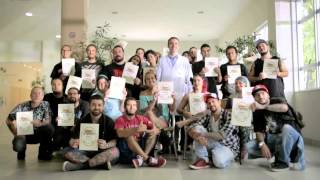
The impact was measurable both in culture and commerce. Sales grew by 76% in the initial phases, eventually seeing a 106% value increase in the first year. Beyond the shelf, the campaign entered the Guinness World Records twice: once in 2016 when 2,600 men washed clothes together, and again in 2019 for the "Largest Laundry Lesson" involving 400 sons. The cultural shift is stark - in 2015, 79% of Indian men believed laundry was a woman's job; by 2024, that figure plummeted to 25%.

Cinematic Vision and Everyday Integration
Director Shimit Amin, known for the iconic film *Chak De! India*, lent his cinematic expertise to the "See Equal" and "See the Signs" films. The movement also infiltrated daily life through clever partnerships. Ariel collaborated with Kalnirnay, India’s most popular calendar, to create a "His and Her" version that split laundry days. They even worked with Tinkle Comics and Navneet Prakashan to introduce gender-equal chores to children through coloring books and stories.
Creative Strategy Deconstructed
Company
A market-leading detergent brand with the authority to own the conversation around laundry and fabric care.
Category
Detergent brands typically focused on functional benefits like whiteness while reinforcing traditional gender roles in their advertising.
Customer
Indian women felt exhausted by the double shift of work and home, while men remained oblivious to the imbalance.
Culture
A growing global and local discourse on gender equality made the traditional domestic status quo feel increasingly outdated.
Company
A market-leading detergent brand with the authority to own the conversation around laundry and fabric care.
Category
Detergent brands typically focused on functional benefits like whiteness while reinforcing traditional gender roles in their advertising.
Strategy:
Reframe a functional utility as a catalyst for social progress by challenging ingrained domestic power dynamics.
Customer
Indian women felt exhausted by the double shift of work and home, while men remained oblivious to the imbalance.
Culture
A growing global and local discourse on gender equality made the traditional domestic status quo feel increasingly outdated.
Strategy:
Reframe a functional utility as a catalyst for social progress by challenging ingrained domestic power dynamics.
Results
The campaign achieved significant cultural and commercial impact: over 1.5 million men pledged to share the load. It generated $9.5 million worth of free PR and over 1.6 billion free earned impressions. Consumer engagement increased 3x, reaching its highest level ever for the brand. Most notably, sales increased by 60%. The campaign successfully initiated a nationwide mindset shift regarding gender roles in domestic chores.
60%
increase in sales
1.6B
earned impressions
3x
consumer engagement
Strategy Technique
Attack a Cultural Blind Spot
The campaign exposed the 'double shift' Indian women face, forcing a conversation about a domestic inequality that was culturally accepted but fundamentally unfair.
Explore Technique
Creative Technique
Hijack the Medium
By redesigning the overlooked wash care label on clothing to state that both genders can do laundry, Ariel turned every garment into a permanent medium for social change.
Explore Technique
Craft Breakdown
The campaign's brilliance lies in its media planning and design, transforming mundane objects like clothing labels and marriage profiles into powerful tools for social change.
The strategic use of non-traditional touchpoints like wash care labels and matrimonial sites perfectly targeted the root of the cultural issue.
The creation of a new universal laundry symbol for gender equality was a simple yet profound design intervention.
The tagline '#ShareTheLoad' is a masterful double entendre, referring to both the physical laundry and the emotional burden of chores.
Integrating the campaign into the actual matchmaking process turned a passive message into an active social commitment.
“The synergy between the provocative TV creative and the innovative physical touchpoints (labels/packaging) ensured the message moved from screen to real-life behavior.”