
Most marketing is a desperate attempt to look like the popular kid at the party - breathless, sweating, and straining under the weight of an airbrushed facade. But there is a specific, high - stakes magic in doing the exact opposite: pointing at your own scar and telling the world it is a feature, not a bug. This isn't just "authenticity," which is a word we have collectively squeezed the life out of; it is the strategic realization that a brand’s limitations are often the only things about it that feel real.
Why does this work? Because honesty is the ultimate pattern interrupt. When a brand admits it is second best, or that its factory just burned down, our cynical "sales alarm" shuts off. It is the "Costly Signaling" theory in action. By Campofrio: Ashes turning actual debris and soot from a disaster into "891 individually numbered bricks" for their staff, they didn't just run a PR stunt; they created a physical contract of loyalty. This isn't just "being real" - it's weaponizing the truth to build a moat that no competitor can cross. Most brands fail here because they try to "pivot" the weakness too fast, whereas these campaigns sit in the discomfort until it becomes a strength.
Strategy is often just the art of finding a bigger wall to lean your ladder against. When you lack the budget of a titan, your limitation becomes your creative engine. Take Burger King - Stevenage Challenge. Instead of crying about a League Two budget, the agency realized a "£50,000" sponsorship could hack the FIFA video game, effectively getting the world’s biggest superstars to wear their logo for the price of a mid - range sedan. It is a masterclass in the "judo move" - using the industry's massive weight and rigid structures against itself to gain a level of exposure that money literally couldn't buy through traditional channels.

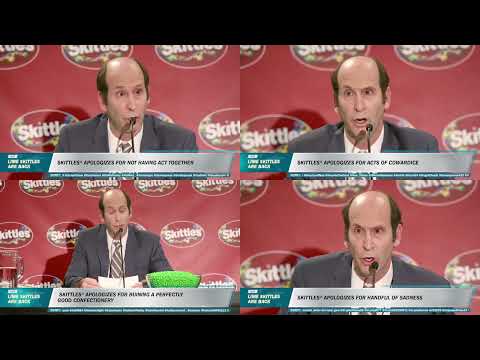
What separates these from the "relatable" social media posts of today is the sheer level of commitment. It is not just a tweet; it is a ten - hour apology. When Skittles: Lime Apology decided to fix "Flavorgate," they didn't just post a graphic. They cataloged "138,880 individual acts of contrition" and filmed a "ten - hour and 54 - minute" video of pure corporate penance. That level of absurdity proves the brand isn't just joking - they are obsessed. It is the same energy Diesel: Go With the Flaw brought by "deleting its entire Instagram history," wiping out 1.2 million followers to signal a "flawed" new beginning. It is a reset that requires actual skin in the game, something a focus group would have killed in the cradle because it feels like sabotage. But in the attention economy, sabotage is often the only way to earn a seat at the table.
The High Cost of Looking Perfect
This collection differs from your standard "creative" list because it focuses on the "Anti - Hero" of marketing. It is about the friction, not the flow. While other strategies try to make the product look like a solution to a problem, these campaigns often position the product as the problem, or at least a participant in the mess of real life. Alliance Français: Pitching French Films to Hollywood didn't try to make French cinema look like a blockbuster. They let Hollywood executives call Palme d'Or winners "flops" to prove that French art exists on a different, superior plane. Similarly, Harvey Nichols: Sorry I Spent it on Myself didn't pretend Christmas is about selfless giving. They sold "Authentic Lincolnshire Gravel" for £1.61 to celebrate our inner Grinch. It is the arrogance of the underdog, and it is intoxicating because it feels like the brand is finally in on the joke with us.
The ultimate lesson here is that vulnerability isn't just a "nice to have" - it is a structural competitive advantage. Most brands spend millions trying to hide their scars, only to end up looking like a generic, unlovable mannequin. But when you point at the flaw, you end the argument before it begins. You aren't just selling a product; you're selling a shared reality. Whether it is Skoda: For Those Who Buy the Car, Not the Ad. mocking the very clichés it uses, or a brand recording 10,000 unique names for a "personal apology," the goal is the same: to be human in a category of robots. In an era of AI - generated perfection and uncanny valley influencers, the brand that admits it is a bit of a mess is the only one we will actually trust. Perfection is a commodity; the flaw is your signature.