
Most advertising asks for your attention; these campaigns take it by the throat and hold it over a 45-degree drop. When you trade the safety of a green screen for the "58 puke events" of a zero-gravity flight, you aren't just making a commercial - you're staging a coup against the skip button. This is the realm of unignorable physics, where the strategy isn't found in a focus group, but in the structural integrity of a custom helmet rig or the precision of a driver reversing at exactly 25 km/h. It is high-stakes storytelling that treats gravity as the ultimate art director.
What unites these pieces is a total refusal to let the viewer feel safe. Most "action" ads are a collection of quick cuts and stock music that merely simulate energy. These campaigns, however, leverage the visceral weight of reality. They are built on an "in-camera" philosophy that says if the stunt isn't dangerous, it isn't interesting. In Nike: Take it to the Next Level, the grit is literal, featuring a protagonist vomiting from exhaustion to sell a first-person dream. It is the difference between a brand telling you they are "bold" and a brand proving it by "climbing 999 steps to heaven" in a hybrid SUV, as seen in Range Rover: Dragon Challenge. By the time the car reaches the summit, the viewer’s heart rate has done the work that a thousand taglines couldn't.
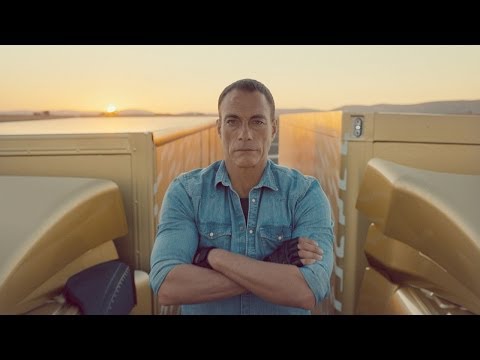
Iconic status in this category is earned through the kind of commitment that makes procurement departments weep. While average brands settle for "good enough" CGI, these creators build 45-degree steel staircases in the UK just to test a car's clearance before shipping it to China. They become legendary because they don't just depict a lifestyle; they create a milestone. In Volvo Trucks: The Epic Split, the magic isn't just in the martial arts; it's in the terrifyingly slow widening of the gap between two trucks. That level of craft creates a "phygital" resonance that stock footage can never touch. It turns a B2B truck demonstration into a global phenomenon because humans are biologically hardwired to pay attention to things that might actually end in disaster.
Physics is the Only Honest Copywriter
There is a strategic "one-upmanship" at play here that goes beyond mere vanity. This playlist isn't just about speed; it's about engineering with a marketing budget. Most brands fail in this space because they try to "fudge" the adrenaline. They use a shaky camera to hide a lack of actual movement. But when S7 Airlines: Upside Down & Inside Out decides to film in a parabolic aircraft, they aren't looking for a "vibe" - they are hunting for "one perfect take" while the crew remains perfectly still during five-minute climbs to avoid breaking the illusion. That commitment to the physical reality of the stunt is what separates a viral moment from a forgotten media buy. It is the pursuit of the "real" that makes a viewer stop breathing for thirty seconds.
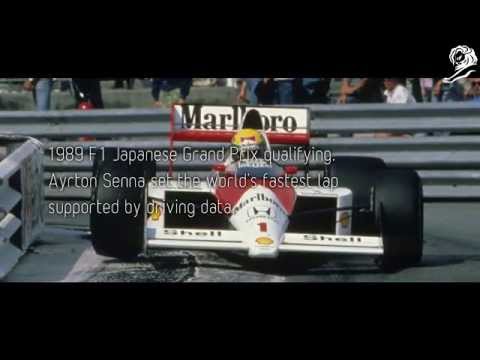
This lens differs from other creative strategies because it turns data and technology into high drama. Whether it is the "1,680 interlaced LED screens" of the Nike: LED Court or the ghost of a racing legend brought to life through 5.8 kilometers of sound and light in Sound of Honda: Ayrton Senna, these campaigns understand that technology is only a tool for awe. When the team at Suzuka mapped telemetry data back onto the physical world using hundreds of speakers, they weren't just honoring a driver; they were proving that "data has a soul." They moved beyond a simple tribute to create a haunting, physical manifestation of speed that felt more alive than a car itself.
Buying Risk is Cheaper Than Buying Reach
Ultimately, these campaigns prove that the most expensive thing a brand can do is be boring. In the era of the infinite scroll, "adrenaline" is the only currency that doesn't depreciate. When Audi: Ski The World spends nine months scouting locations from the "Great Wall of China to the jungles of Jamaica" just to show a man skiing without snow, they aren't just making a car ad. They are buying a permanent seat in the viewer's memory. This isn't a gallery of commercials; it's a testament to what happens when a creative team stops asking "what is the budget?" and starts asking "how do we survive the shoot?" It is the spectacle of the impossible, rendered in high definition and backed by the ballsy conviction that a helicopter is a perfectly reasonable production expense.
If your production meeting doesn't involve a safety harness or a flight surgeon, you aren't chasing adrenaline; you're just chasing a deadline. Greatness in this category lives in the twenty-five seconds that change marketing, or it doesn't live at all.