
The 1990s were the final era where a brand could command the entire culture’s attention for sixty seconds without a "Skip Ad" button or a second screen to hide behind. It was a decade defined by a radical, almost arrogant commitment to the "Big Idea" - a time when agencies weren't just chasing clicks, but were busy colonizing the collective vernacular. The through-line of this collection is a refusal to play it safe. While modern marketing is often a race to the bottom of the data funnel, 90s giants like Guinness: Surfer succeeded specifically because they ignored the "fail" grade from initial market research. They bet on a 119.5-second wait to dramatize a product flaw - the pour time - and turned it into a virtue that helped the brand sell an "extra Olympic - sized swimming pool of Guinness every month." This wasn't just advertising; it was a high-stakes gamble on human patience.
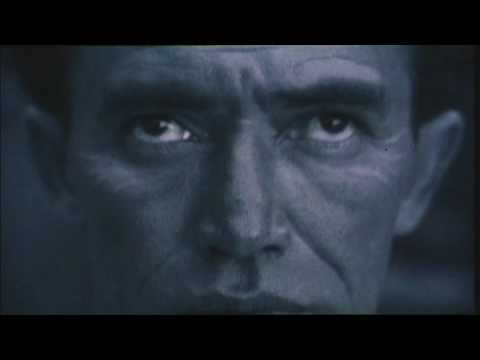
What makes these campaigns stand out from the generic "lifestyle" fluff of the era is their willingness to treat the audience as an intelligent, albeit cynical, participant. Most brands in the 90s were still shouting features and benefits, but the icons in this playlist chose to build parallel worlds instead. In Sony Playstation: Double Life, the strategy was to capture the 18-30 demographic by "refusing to show a single frame of gameplay," betting that low-res graphics would only undermine the emotional gravity of the script. Similarly, Apple: Here’s to the Crazy Ones didn't bother showing a processor speed or a price point. It functioned as a manifesto for a brand that was, at the time, facing a "Ninety Day Countdown to Bankruptcy." These ads didn't just sell hardware; they sold a sense of belonging to a specific tribe of rebels and visionaries, proving that a great tagline could become part of everyday language if the craft behind it was undeniable.
The High Cost of Ignoring the Safe Bet
The secret sauce of 90s advertising was the "music video director to commercial" pipeline, which brought a visual language that felt dangerous and cinematic. This was the decade where directors like Jonathan Glazer and Michel Gondry were given the budgets and the freedom to act as brand architects. In Blackcurrent Tango: Ray Gardner, the agency HHCL & Partners spent a massive £500,000 on a 90-second film that aired only 10 times, transforming a commercial into a "must - see" cultural event. The production was famously obsessive; it took "30 takes for lead actor Ray Gardner to step out of his trousers mid - stride" without looking down just to nail the illusion of a single tracking shot. This level of perfectionism is what separates an icon from an annoyance. It’s the difference between a brand that asks for your attention and a brand that earns it by contributing something genuinely worth watching.
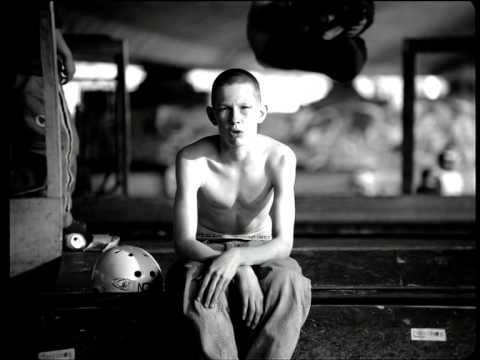
This playlist differs from other Selfstorming collections because the lens here is purely pre-internet. There were no viral loops to optimize, only the raw power of a great script and a director who hated the idea of a "safe" edit. Even when the medium was sound-only, the commitment to the bit was total. Bud Light: Real Men of Genius used a "theater of the mind" approach that was so effective it survived a post-9/11 rebrand from "Real American Heroes" to "Real Men of Genius," sharpening the irony and mocking the very eccentricities that made their audience relatable. Whether it was the "laconic, non - offensive" use of the word "bugger" in Toyota Hilux: Bugger! or the surrealist humor of the MTV: Jukka Bros., these campaigns shared a common DNA: they were willing to be the "Different" alternative. They remind us that when you stop treating the consumer as a data point and start treating them as an audience, you don't just get a transaction - you get a legacy.