Bud Light: Real Men of Genius
Bud Light, via DDB Chicago, wanted to deepen its connection with its core male audience. The brand needed a distinctive, humorous campaign to stand out in a crowded market. The challenge was to create memorable content that celebrated everyday men in an entertaining, relatable way, boosting brand affinity and reinforcing Bud Light’s fun image among 21-35 year olds.
Creative Idea
Bud Light created radio ads sarcastically celebrating "Real Men of Genius" to entertain men by highlighting their relatable quirks.
Bud Light created a humorous radio ad series called "Real Men of Genius" that sarcastically celebrated everyday men with quirky, exaggerated traits like bad dancing or excessive cologne wearing. The campaign used witty, tongue-in-cheek voiceovers to mock and simultaneously honor these stereotypical male archetypes, ultimately creating a memorable and entertaining way to connect with their target audience.
From Real American Heroes to Global Radio Royalty
The Power Ballad Pivot
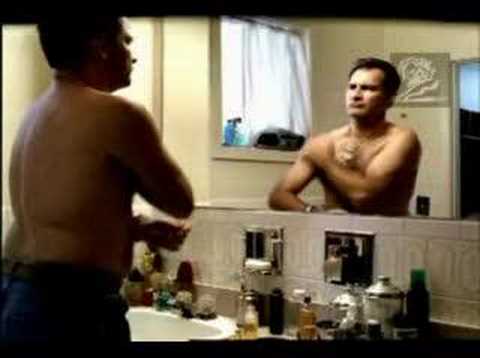
The campaign’s signature sound was born from a budget constraint. The creative team at DDB Chicago originally envisioned using Bette Midler’s "Wind Beneath My Wings," but when the licensing proved too expensive, they pivoted to a parody of cheesy 80s rock. They enlisted Dave Bickler, the former lead singer of Survivor, to provide the bombastic, high - pitched vocals that contrasted perfectly with the deadpan delivery of announcer Pete Stacker. This "theater of the mind" approach was so effective that when the campaign transitioned to television in 2003, directors Noam Murro and Tom Schiller were specifically tasked with ensuring the visuals didn't overshadow the audio's comedic timing.
A Post 9/11 Rebrand
Originally launched in 1998 as "Real American Heroes," the campaign faced a sudden cultural shift following the September 11 attacks. Out of respect for the national mood, Anheuser-Busch paused the ads and rebranded them as "Real Men of Genius" in late 2001. The shift from "hero" to "genius" actually sharpened the irony, allowing the brand to mock eccentric behaviors like "Mr. Way Too Much Cologne Wearer" with even greater sarcasm.
Seven Years of Double Digit Growth
The campaign was a massive commercial engine, supporting seven consecutive years of double - digit growth for Bud Light. By 2001, the brand overtook Budweiser to become the #1 selling beer in America. At its peak, the brand invested $38 million annually into radio alone, producing over 200 unique installments. The ads became so culturally resonant that fans traded them on Napster, eventually leading the brand to release three volumes of CDs for purchase.
Creative Strategy Deconstructed
Company
Bud Light leveraged its position as an approachable mass-market leader to pivot from traditional aspirational imagery to high-production parody. They used their massive reach to turn a niche sarcastic tone into a mainstream brand voice.
Category
Beer advertising typically relied on hyper-masculine tropes, sports heroics, and 'cool' lifestyle archetypes. Most brands took the concept of the 'alpha male' seriously, creating a landscape of predictable and often unrelatable messaging.
Customer
Everyday men felt disconnected from the 'perfect' personas in ads and craved a brand that acknowledged their real, often ridiculous, quirks. They found humor in the shared experience of being unpolished and unheroic.
Culture
The late 90s and early 2000s saw a rising cultural appetite for irony and the 'anti-hero.' This shift allowed for a campaign that successfully punctured the balloon of the male ego by mocking the very 'heroes' it saluted.
Company
Bud Light leveraged its position as an approachable mass-market leader to pivot from traditional aspirational imagery to high-production parody. They used their massive reach to turn a niche sarcastic tone into a mainstream brand voice.
Category
Beer advertising typically relied on hyper-masculine tropes, sports heroics, and 'cool' lifestyle archetypes. Most brands took the concept of the 'alpha male' seriously, creating a landscape of predictable and often unrelatable messaging.
Strategy:
Subvert masculine archetypes with ironic salutes to make the brand a relatable companion for the everyday, unpolished man.
Customer
Everyday men felt disconnected from the 'perfect' personas in ads and craved a brand that acknowledged their real, often ridiculous, quirks. They found humor in the shared experience of being unpolished and unheroic.
Culture
The late 90s and early 2000s saw a rising cultural appetite for irony and the 'anti-hero.' This shift allowed for a campaign that successfully punctured the balloon of the male ego by mocking the very 'heroes' it saluted.
Strategy:
Subvert masculine archetypes with ironic salutes to make the brand a relatable companion for the everyday, unpolished man.
Strategy Technique
Exaggerate to Reveal the Truth
The campaign exaggerated common, quirky male behaviors to create humor. This revealed relatable truths about everyday masculinity, deepening connection with the target audience.
Explore Technique
Creative Technique
Make a Parody
The campaign sarcastically celebrated everyday men's quirky traits. It parodied traditional heroic tributes by applying them to mundane, exaggerated male behaviors, creating humor.
Explore Technique
Craft Breakdown
This campaign's craft is exceptional in its use of copywriting and sound design, which work in tandem to create a truly memorable and humorous experience.
The witty, exaggerated descriptions of the 'men of genius' and their quirks are masterfully written, providing the core humor and brand distinction.
The original rock anthem, complete with a powerful lead vocalist and gospel choir, perfectly elevates the mundane into mock-epic and delivers the memorable 'Real Men of Genius' hook.
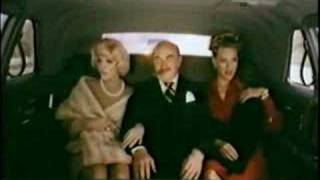
The actors' commitment to their comedic roles, whether dancing awkwardly or eating a giant taco salad with gusto, sells the absurdity of each scenario.
The precise editing keeps the pace brisk, seamlessly transitioning between the studio performances, the voiceover, and the visual gags, enhancing the comedic timing.
“The true magic comes from the synergy between the brilliant copywriting, the iconic music, and the voiceover, which collectively transform ordinary, often ridiculous, male behaviors into celebrated acts of 'genius'.”