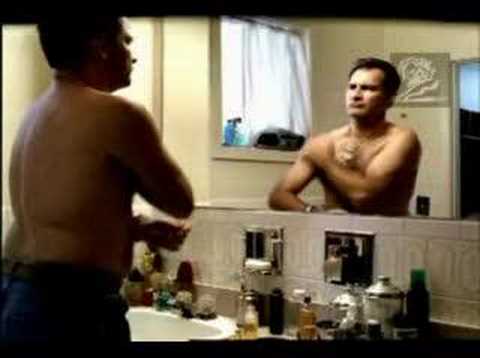
Beer advertising is the ultimate high-stakes arms race of the "unnecessary." Nobody needs a lager to survive, but everyone needs a reason to choose one over the identical liquid sitting next to it on the shelf. While most categories compete on features or price, beer brands compete on the strength of the world they build around the bottle. The campaigns in this collection don't just sell refreshment; they sell a specific brand of creative audacity that understands beer is less of a beverage and more of a social currency.
Most brands fail in this space because they try to sell the category benefit - cold, crisp, refreshing - which everyone owns and nobody cares about. The icons, like Andes Beer: The Great Escape, pivot away from the liquid to solve the social tensions surrounding it. By positioning the brand as a functional tool for friendship, they moved beyond storytelling into service. They recognized that the biggest barrier to drinking a beer isn't the price, but the guilt of leaving a boring social obligation. When a brand stops acting like a product and starts acting like a co-conspirator, it stops being an ad and starts being a legend.
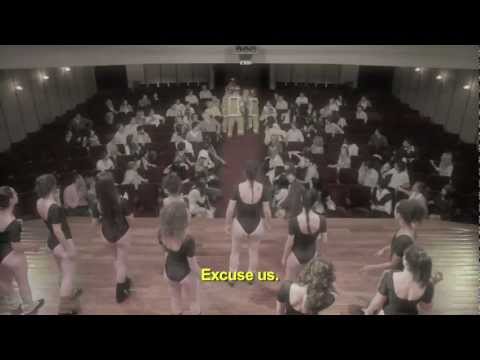
What separates a "funny ad" from a "brilliant campaign" is a level of commitment that borders on the pathological. Look at Bud Light: Real Men of Genius. It didn't just mock relatable quirks; it committed to the "theater of the mind" by hiring Dave Bickler, the former lead singer of Survivor, to provide the "bombastic, high-pitched vocals" that transformed a radio spot into a global phenomenon. This is the Selfstorming lens: the realization that the craft is the strategy. Most brands would have blinked at the cost of the irony, but the greats lean in. Guinness: Surfer famously failed its initial market research because consumers found it too abstract, yet the brand ignored the data to trust a vision of white horses and patience. That gamble paid off, eventually "selling an extra Olympic-sized swimming pool of Guinness every month" and proving that in beer, the "wait" is the ultimate premium hook.
Buying the Ritual, Not the Liquid
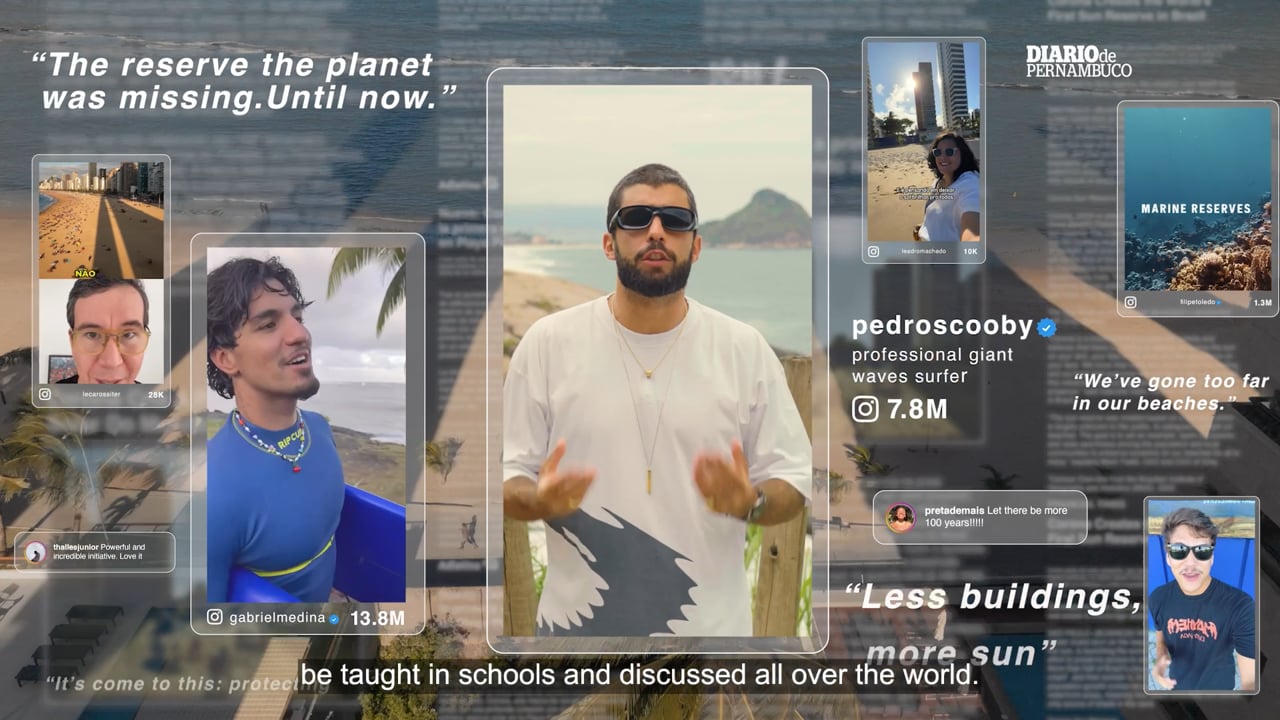
Modern beer strategy has shifted from "watching the bros" to "protecting the bros' environment." We see brands moving beyond the screen to create physical utility that defends their consumption occasions. Corona: Sun Reserve is the gold standard here. Instead of just filming a beach, they utilized a "specific legal mechanism in Brazil known as 'air rights'" to legally block skyscraper construction and preserve natural sunlight. This is advertising as legislative action. It’s a move that recognizes a brand’s territory isn't just the shelf; it's the very sun the consumer sits under. Similarly, Anheuser-Busch: Turning Beer Into Water proved that a brewery’s most powerful marketing asset is its own supply chain, "recalibrating canning machines" to provide disaster relief. These brands aren't just joining a conversation; they are building the infrastructure of the culture they inhabit.
There is a specific bravery in this playlist that allows brands to hijack existing cultural moments rather than trying to manufacture them. Aguila - Beer Lottery didn't buy a traditional halftime spot; they hacked the national anthem by turning the random player lineup into a live gambling mechanic. It’s a strategy that acknowledges the viewer is bored of being talked at and wants to play. Whether it's Heineken: Departure roulette forcing travelers to "officially cancel their existing flight" before the board stopped spinning, or Hertog Jan: Don't Drink Hertog Jan telling fans to lock their beer in a cellar for six years, these campaigns succeed because they demand high-friction participation. They don't want a passive viewer; they want a participant who is willing to risk a flight to Cyprus or a decade-old Instagram caption for the sake of the brand’s perspective.
Why Real Directors Hate Focus Groups
Finally, the "Brilliance" in this collection is a result of cinematic craft that makes the average commercial look like a PowerPoint presentation. When Heineken: Walk-in Fridge engineered its sound design so the men’s screams matched the exact pitch of the women’s, they were using high-end production to elevate a simple gag into a global trope. This level of detail is what prevents a campaign from being forgotten after one season. It’s the same commitment to "the real" seen in Salta Beer: Tooth Implant, where the agency didn't just make a prop; they developed a "custom-engineered titanium piece featuring a specific groove and hook" to withstand the torque of a bottle cap. Beer advertising is at its best when it stops acting like a salesman and starts acting like the funniest, most capable person at the table. It’s never really about the beer; it’s about the brilliance required to make us care about the next round.