
Most advertising is a desperate plea for ten seconds of your attention, but when an Academy Award winner steps behind the lens, the power dynamic shifts. You aren't being sold a product - you are being invited to a premiere. This collection represents the moment brands stop acting like salesmen and start acting like patrons of the arts, trading the safety of the marketing funnel for the visceral impact of the silver screen.
What unites these campaigns isn't just a high production budget; it's a refusal to compromise on "visual truth." While average ads are polished until they are frictionless and forgettable, these directors lean into the grit and the chaos of reality. They understand that a "56-year record snowstorm" in Madrid isn't a production delay - it's the texture that makes Nike: Write the Future feel like an epic rather than a commercial. Most brands try to manufacture "cool" through trends, but Oscar winners capture it through craft, often by ignoring the very rules that keep marketing departments safe at night.
Why Real Directors Hate Focus Groups
The greatest risk in advertising isn't being bold; it's being "tested" into mediocrity. When Honey Maid: This is Wholesome skipped traditional focus groups to maintain its documentary authenticity, they weren't being reckless - they were protecting the vision of directors Dan Lindsay and TJ Martin. This playlist represents a rare moment where the brand ego steps aside to let a specific cinematic lens lead. It is why Canada Goose didn't just make a jacket commercial; they created Canada Goose: Out There, a brand myth so rebellious that management famously "set aside a specific portion of the campaign budget to pay the resulting fines" for unauthorized screenings on historic castles and public buildings.
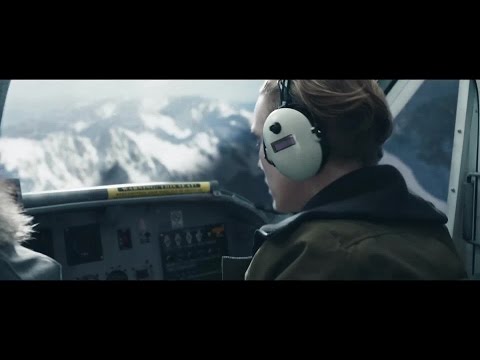
These films become iconic because they leverage "emotional muscle memory" - the subconscious associations we have with great cinema. When Fundacion Argentina de Transplante Hepatico: The Man and the Dog uses a score by Michael Giacchino, it isn't just picking a nice tune; it is intentionally "tapping into the existing emotional muscle memory" of every viewer who associated that melody with the heartbreaking opening of Pixar’s Up. This isn't simple manipulation; it is high-level semiotics. It transforms a 90-second spot into a cultural event that bypasses the viewer's natural "ad-blocker." Similarly, Darren Aronofsky’s work for The New York Times: Daniel Berehulak doesn't just show journalism; it uses a rhythmic, non-linear editing style to make the viewer feel the physical weight of a camera shutter. It is the difference between telling someone the truth and making them experience it through their pulse.

Ultimately, hiring an Oscar holder is about buying visual authority. Whether it is Lacoste - Crocodile Inside using Bradford Young’s cinematography to turn a domestic argument into a physical collapse, or the "four hours of prosthetic application" required to turn an NBA star into Pepsi Max: Uncle Drew, the commitment to the bit is the strategy. Most ads are forgotten because they look like they were made by a committee that was afraid of the dark. These campaigns are remembered because they were made by people who know exactly how to use the shadows. They prove that in a world of skippable content, high-level craft is the only thing that remains truly unskippable. When you stop treating the audience like consumers and start treating them like viewers, you don't just win a Clio - you win a permanent spot in their memory.