ESPN: Shake on it
ESPN, working with Wieden + Kennedy, needed to deepen its connection with passionate sports fans. The client wanted to reaffirm ESPN's understanding of the fan experience and celebrate their unique devotion, targeting dedicated sports enthusiasts who express their fandom in unconventional ways.
Creative Idea
The campaign exaggerated bizarre fan behaviors to affirm they were expressions of sports passion.
ESPN celebrated the intense, often irrational, devotion of sports fans by showcasing their extreme, yet relatable, rituals and behaviors, reframing them as passionate expressions rather than madness, thus affirming the deep connection between fans and the sports they love.
The Most Sacred Handshake in Sports History
A Cinematic Shrine to Suffering
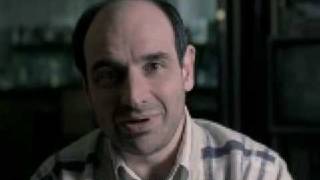
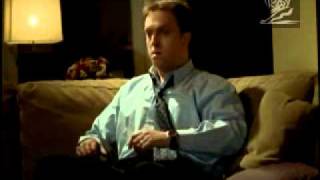
To capture the authentic misery of a fan living a lie, director Aaron Stoller and cinematographer Linus Sandgren - who later won an Oscar for *La La Land* - treated the protagonist’s home like a moody, cinematic prison. The production team spent days sourcing authentic Detroit Red Wings memorabilia to build a literal shrine that felt lived-in and obsessive. This high production value was essential to the joke: the more beautiful the "shrine" looked, the more tragic the protagonist's secret Chicago Blackhawks fandom became.
Viral Currency and Social Proof
The spot became an immediate cultural touchstone, generating over 1 million YouTube views within its first 24 hours. Beyond the numbers, it achieved "social currency" by sparking a nationwide conversation where fans shared their own ridiculous, long - term betting stories. This engagement helped ESPN maintain its #1 ranking in perceived value among cable operators for the 12th consecutive year in 2012.
The Truth in the Handshake
The creative team at Wieden+Kennedy NY, led by Ian Reichenthal and Scott Vitrone, built the script on a singular fan truth: a sports bet between friends is a binding contract. Copywriter Dave Canning and Art Director Cyrus Coulter leaned into the "real-world" feel by using character actors rather than recognizable stars, ensuring the audience saw themselves in the absurdity. The campaign launched alongside the famous "Michael Jordan" spot, creating a cohesive universe under the "It's Not Crazy, It's Sports" platform that celebrated the irrational yet honorable nature of fandom.
Creative Strategy Deconstructed
Company
ESPN, as the premier sports broadcaster, credibly connects fans to the heart of sports culture and its passionate community.
Category
Sports advertising often focuses on game highlights, star athletes, or direct competition, rarely on the extreme fan experience.
Customer
Sports fans felt their intense, sometimes irrational, devotion was misunderstood or seen as peculiar by outsiders.
Culture
A growing cultural appreciation for authentic, uninhibited passion and the unique rituals within fan communities.
Company
ESPN, as the premier sports broadcaster, credibly connects fans to the heart of sports culture and its passionate community.
Category
Sports advertising often focuses on game highlights, star athletes, or direct competition, rarely on the extreme fan experience.
Strategy:
Validate extreme fan devotion by reframing perceived madness as authentic, shared passion.
Customer
Sports fans felt their intense, sometimes irrational, devotion was misunderstood or seen as peculiar by outsiders.
Culture
A growing cultural appreciation for authentic, uninhibited passion and the unique rituals within fan communities.
Strategy:
Validate extreme fan devotion by reframing perceived madness as authentic, shared passion.
Strategy Technique
Exaggerate to Reveal the Truth
The campaign amplified extreme fan behaviors to an absurd degree. This exaggeration revealed the underlying truth that such passionate, often quirky, actions are simply an integral part of sports culture.
Explore Technique
Creative Technique
Embrace the Weird
The campaign deliberately showcased outlandish, eccentric fan behaviors. This normalized and celebrated the extreme passion, making it relatable to the target audience.
Explore Technique
Craft Breakdown
This campaign's strength lies in its exceptional concept execution through strong art direction and casting, creating a series of bizarre yet relatable scenarios that perfectly capture the 'craziness' of sports fandom.
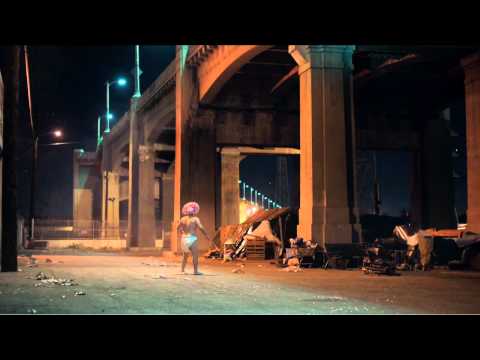
The visual environments are meticulously crafted to feel realistic and mundane, which brilliantly heightens the absurdity of the actions unfolding within them, from the sterile bathroom to the grimy alley.
The actors deliver deadpan or intensely committed performances that make the surreal situations believable and even more humorous, especially the man shaving his eyebrows or the one eating the cap.
The camera work employs a variety of angles and movements (close-ups, tracking shots) to draw the viewer into each peculiar scene, capturing expressions and details that amplify the comedic effect without overtly staging it as slapstick.
The rapid-fire montage editing style is crucial to the ad's effectiveness, quickly showcasing a diverse range of bizarre behaviors and building an escalating sense of bewilderment and humor before the final reveal.
“null”