
Sustainability is a category currently drowning in its own earnestness. For decades, the default creative setting for environmentalism has been a cocktail of soft piano tracks, slow-motion sunsets, and the obligatory sad polar bear. It is a formula designed to elicit guilt, but guilt is a remarkably poor fuel for long-term behavior change. The campaigns in this collection stand out because they stop asking for permission to exist and start demanding a seat at the table through friction, utility, and a healthy dose of creative aggression. They treat the planet like a product problem, not a charity case, proving that "green" doesn't have to mean "beige."
What unites these entries is a shift from awareness to accountability. Take 350 Action: Climate Name Change as the prime example. Instead of a polite petition, the strategy leaned into high-stakes parody by renaming hurricanes after climate-denying politicians. It was a confrontational pivot that converted sadness into anger. As agency founder Gerry Graf noted at the time, the team was "not concerned about offending the targeted politicians," a rare instance of a brand prioritizing the mission over the risk of a PR headache. By making the invisible visible through political theater, they turned a weather report into a weapon.
Buying Friction is Better Than Buying Sympathy
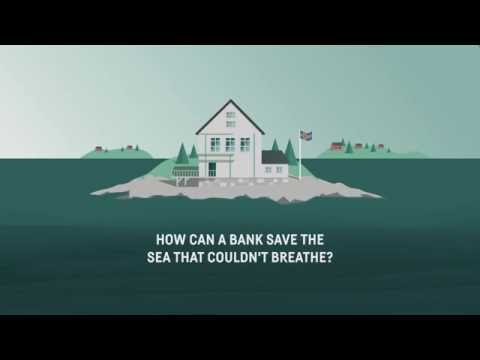
The most effective work here moves beyond storytelling and into the realm of "Unexpected Utility." Most brands try to make things easier for the consumer, but these campaigns often do the opposite to make a point. They build tools that force us to confront our own impact at the moment of purchase. A standout is the Aland Index: Baltic Sea Project, which transformed the mundane act of swiping a credit card into an environmental audit. This wasn't just a digital gimmick - the physical "Baltic Sea Card" was actually the "world’s first biodegradable credit card," manufactured from a corn-based material rather than traditional plastic. It turned a financial instrument into a data-driven conscience.
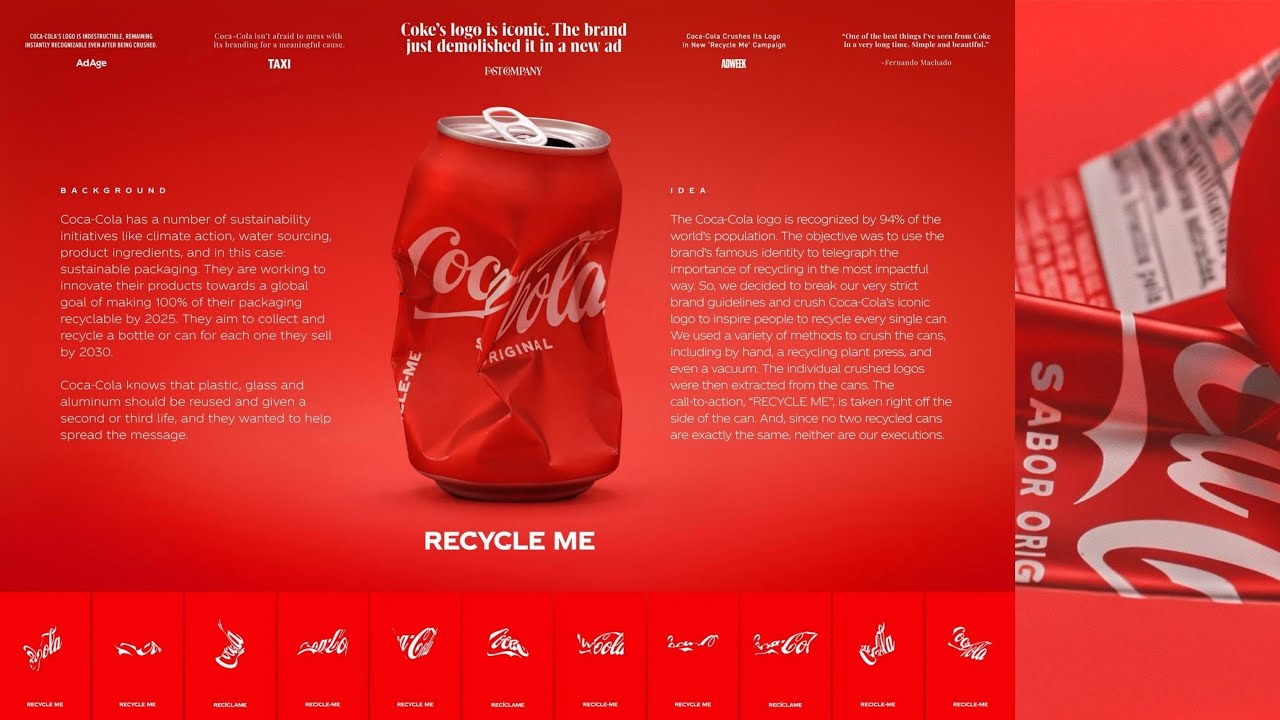
This strategic reframing of the "green" conversation often requires a radical willingness to mess with a brand's most sacred assets. We are taught that a logo is an untouchable piece of equity, yet Coca-Cola: Recycle Me found its power by literally crushing one of the most recognizable icons on earth. To achieve what they called "analogue authenticity," the production team used actual mechanical presses and vacuums to physically destroy cans rather than relying on clean, digital CGI. This visual violence served a purpose: it made the act of recycling feel visceral and inevitable. It is a masterclass in using brand recognition to drive a message without saying a single word. Similarly, Chipotle: Back to the Start used the painstaking craft of stop-motion animation - featuring 72 individual pig puppets - to humanize the industrial food complex, proving that a high-production-value narrative can be just as effective as a technical tool when the craft is this undeniable.
Finally, we see a trend toward "Extreme Dramatization" to solve the problem of psychological distance. Climate change is a slow-motion crisis, making it easy for people to ignore. To break through, Greenpeace UK: Wasteminster used satirical bite and staggering technical scale to visualize the UK's plastic exports. The production was a beast, requiring "14,600 hours of render time" to simulate nearly two million kilograms of digital trash. By placing this mess on the doorstep of Downing Street, they removed the "away" from "throwing things away." This same spirit of radical visualization is found in Government of Tuvalu - The First Digital Nation, which used LIDAR scans to map an entire country before it disappears. These aren't just ads; they are digital archives and legal provocations. They represent a new wave of creative strategy where the goal isn't just to make people care, but to make it impossible for them to look away.
The Death of the Passive Spectator
The Green Wave represents a structural shift in how creative strategy approaches the natural world. It moves the brand from being a "supporter" of the environment to being an active participant in its survival. Whether it is leasing beach airspace to block skyscrapers or turning trees into real-time journalists, these campaigns succeed because they offer more than just a message - they offer a new way to interact with the reality of our planet. In an era of rampant greenwashing, these are the few instances where the creative is as sustainable as the sentiment.