Green Life: Second Life Toys
The Green Ribbon Project Committee needed to address the critical lack of child organ donors and the limited public discussion in Japan. They aimed to increase awareness and understanding of child organ transplant among the general public, particularly families, to ultimately save more lives.
Creative Idea
Toys received "organ transplants" from other toys, making donation tangible.
Second Life Toys used toy organ transplants to demystify child organ donation, allowing children and families to understand its value through interaction, while rewarding toy donors with gratitude letters, effectively saving lives by increasing awareness and understanding of a critical issue.
Stuffed Animals and the Global Import Strategy
The Reverse Traction Hack
To bypass the cultural taboo surrounding organ donation in Japan, Dentsu Inc. employed a "reverse import" media strategy. The team intentionally pitched the story to international outlets like the BBC, Wired, and the Huffington Post first. Once the campaign became a global viral sensation across 190 countries, Japanese domestic media began reporting on it as a prestigious international success. This external validation helped legitimize the conversation for a conservative Japanese audience, leading to features in over 1,100 global media outlets.
Pseudo Medical Precision
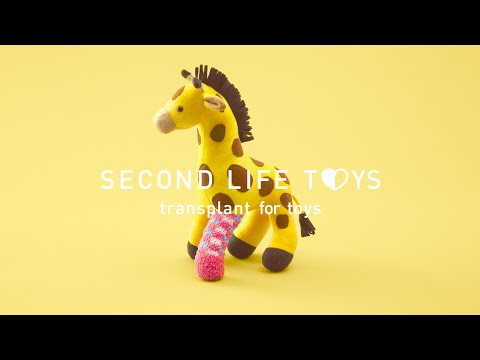 The production process, led by TAKI Corporation and Amana, treated the toy repairs with the gravity of real surgery. Owners of "sick" toys had to submit photos for a compatibility check before "surgeons" would select a donor part. Instead of hiding the repairs, Art Director Taiki Kawase and the design team chose mismatched limbs - such as a dragon's wing on a whale or a monkey's arm on a bear - to make the "transplant" visible and celebrated. This aesthetic choice served as a gentle metaphor for the "second life" granted through donation.
Measurable Behavioral Shifts
The campaign moved beyond awareness into significant behavioral change. It triggered a 30% increase in organ donor registrations and a 137% increase in actual donors after cardiac arrest compared to the previous year. Furthermore, 8% more families reported discussing the topic at home, a critical metric in a culture where the subject was previously avoided. To close the emotional loop, the agency facilitated a feedback system where recipients sent handwritten thank - you letters to the donors, mirroring the real - world gratitude of transplant survivors.
Creative Strategy Deconstructed
Company
The Green Ribbon Project Committee could credibly deliver a platform for organ donation awareness and facilitate community engagement.
Category
Organ donation campaigns often use somber, direct appeals, which can be overwhelming or difficult for children to grasp.
Customer
Parents and children needed a gentle, positive way to understand and discuss the complex, sensitive topic of organ donation.
Culture
A growing cultural appreciation for sustainability and giving 'second life' to cherished items resonated with the campaign's core message.
Company
The Green Ribbon Project Committee could credibly deliver a platform for organ donation awareness and facilitate community engagement.
Category
Organ donation campaigns often use somber, direct appeals, which can be overwhelming or difficult for children to grasp.
Strategy:
Transform a sensitive, abstract medical concept into a tangible, positive, and emotionally rewarding experience.
Customer
Parents and children needed a gentle, positive way to understand and discuss the complex, sensitive topic of organ donation.
Culture
A growing cultural appreciation for sustainability and giving 'second life' to cherished items resonated with the campaign's core message.
Strategy:
Transform a sensitive, abstract medical concept into a tangible, positive, and emotionally rewarding experience.
Results
In Japan, there are currently about 14,000 people waiting for organ transplants. Among them, only approximately 300 people receive an actual organ transplant annually, which is merely 2% of those waiting. Japan is years behind the world in this regard.
14,000
people waiting for organ transplant in Japan
300
actual organ transplants annually in Japan
2%
annual transplant rate in Japan
Strategy Technique
Find the Missing Conversation
The campaign addressed the critical lack of discussion around child organ donation. It created an accessible, positive entry point for families to engage with this sensitive topic.
Explore Technique
Creative Technique
Analogy for the Solution
The campaign created a tangible analogy by 'transplanting' parts between toys. This made the abstract concept of organ donation understandable and emotionally resonant for children and families.
Explore Technique
Craft Breakdown
The campaign's exceptional craft lies in its brilliant conceptualization and storytelling, transforming a complex and sensitive medical issue into an accessible, empathetic narrative through the metaphor of 'transplant for toys.'
The idea of using broken and donated plush toys to explain organ transplantation is a highly original and profoundly empathetic approach that makes a difficult topic digestible for all ages.
The narrative arc, from problem statement to creative solution and emotional impact, is beautifully crafted, using relatable imagery and a heartfelt message to engage the audience.
The visual presentation of the 'transplanted' toys is whimsical and varied, showcasing the creativity and care put into each repair, reinforcing the message of renewed life.
The voiceover and on-screen text are clear, concise, and impactful, effectively communicating both the problem's severity and the campaign's hopeful solution in a memorable way.
“The campaign's magic truly shines in the seamless integration of concept development, art direction, and storytelling, allowing the 'Second Life Toys' to serve as a powerful and tender metaphor for real-life organ donation.”