Go Gentle Australia: Stop The Horror
Go Gentle Australia needed to pressure Victorian MPs to pass the Voluntary Assisted Dying Bill. The challenge was overcoming charity fatigue and the abstract nature of the euthanasia debate. They targeted the general public and politicians, aiming to make the status quo of terminal suffering so visible and distressing that it became politically impossible to ignore.
Creative Idea
Reframed terminal suffering as an horror film with a functional stop button for viewers, that the patients do not have.
To lobby for assisted dying laws, the campaign reframed terminal suffering as a literal horror movie, using an interactive stop button to prove that while viewers could escape the distress, the dying patient had no such choice.
The Horror Movie You Were Encouraged To Stop
A One Day Shoot With A Cinema Legend
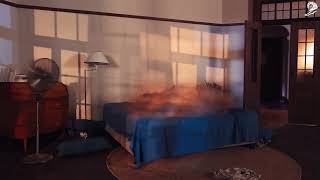
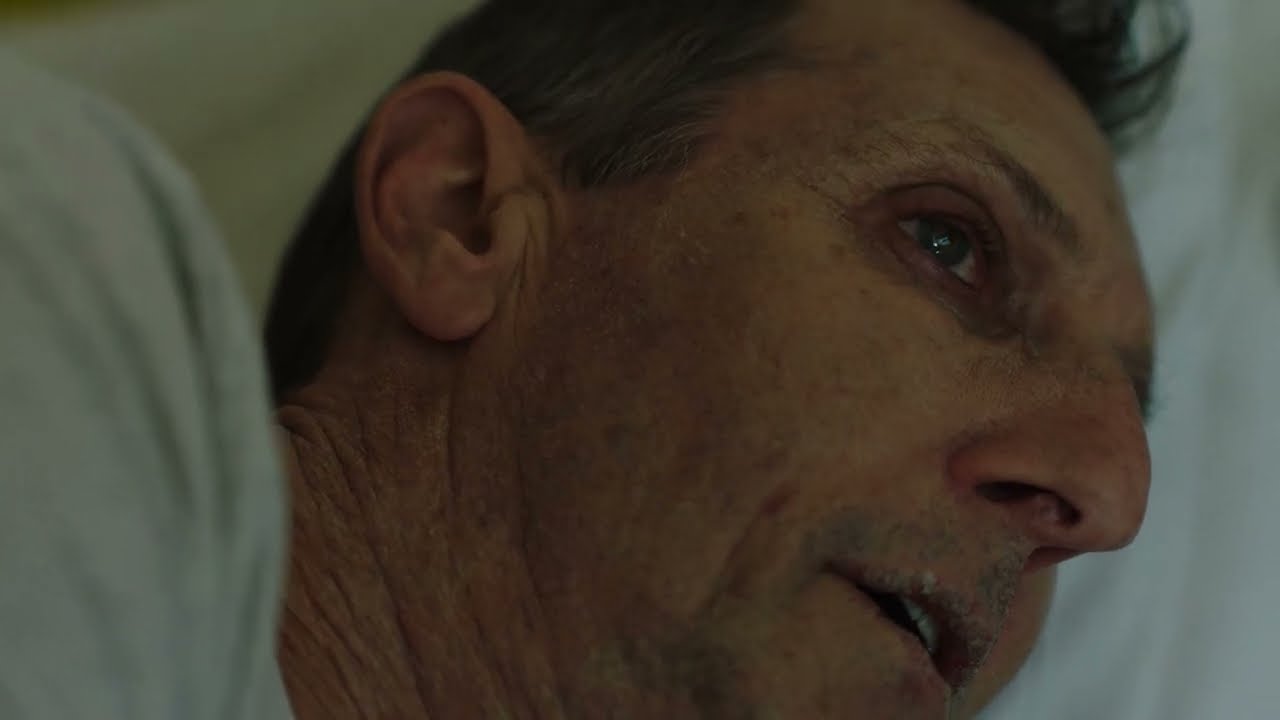
To achieve the visceral realism required to sway a government, the agency recruited acclaimed director Justin Kurzel, known for the gritty intensity of *Snowtown*. Remarkably, the entire six - minute film was captured in a single one - day shoot. The production focused on a dramatized re - enactment of the final days of Greg Sims, who died of brain cancer in 2005. To ensure the "horror" was authentic rather than exploitative, Greg’s daughter, Nia Sims, served as a consultant on set, guiding the portrayal of her father's terminal suffering.
The Bait and Switch Strategy
The campaign launched as a "bait - and - switch" to bypass traditional charity fatigue. It was initially marketed as a new horror film from Kurzel, drawing in a younger, broader demographic before revealing its political purpose. The film was so graphic in its depiction of convulsions and respiratory distress that it was banned from YouTube for violating content standards. This ban only fueled its notoriety, helping the campaign achieve a potential reach of 280 million within 24 hours.
The Button That Triggered Action
The core of the digital experience was an interactive "Stop" button. When viewers clicked it to escape the distress, they were met with the message: *"You can stop the horror. Greg Sims couldn't."* This mechanic successfully converted discomfort into political pressure, resulting in over 10,000 direct submissions to Members of Parliament. Despite the "unwatchable" nature of the content, the average viewing time was an incredible 3 minutes and 16 seconds, proving the audience's deep engagement with the physical reality of the debate.
Creative Strategy Deconstructed
Company
The harrowing true story of Greg Sims and the endorsement of his family to share the graphic truth.
Category
Advocacy groups usually rely on soft, emotional pleas or clinical, intellectual arguments that are easy for politicians to ignore.
Customer
People feel uncomfortable discussing death and instinctively look away from suffering, allowing the status quo of pain to continue.
Culture
A high-stakes legislative vote in Victoria created a narrow window where intense public pressure could directly influence political outcomes.
Company
The harrowing true story of Greg Sims and the endorsement of his family to share the graphic truth.
Category
Advocacy groups usually rely on soft, emotional pleas or clinical, intellectual arguments that are easy for politicians to ignore.
Strategy:
Reframe a passive ethical debate into an unbearable physical reality to force immediate legislative intervention.
Customer
People feel uncomfortable discussing death and instinctively look away from suffering, allowing the status quo of pain to continue.
Culture
A high-stakes legislative vote in Victoria created a narrow window where intense public pressure could directly influence political outcomes.
Strategy:
Reframe a passive ethical debate into an unbearable physical reality to force immediate legislative intervention.
Strategy Technique
Find the Missing Conversation
It bypassed the polite, theoretical debate around euthanasia by exposing the graphic, unmentionable physical trauma of a "natural" death that politicians and the public usually look away from.
Explore Technique
Creative Technique
Horror movie
By using the tropes and visceral intensity of the horror genre, the film forced viewers to confront the physical reality of terminal suffering rather than debating it as an abstract ethical concept.
Explore Technique
Craft Breakdown
This campaign's craft is exceptional due to its unflinching and raw portrayal of a terminal illness, using a documentary-style approach to create a powerful and disturbing emotional impact. The combination of realistic acting and visceral cinematography elevates it from a standard advocacy piece to a haunting cinematic experience.
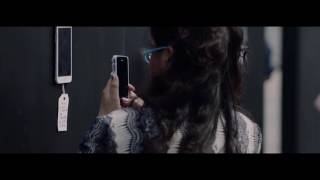
The use of handheld camera work and intimate close-ups creates a visceral and unflinching sense of realism that is central to the film's impact.
The performances, particularly from the actors playing Greg and Nia, are incredibly raw and convincing, making the suffering feel authentic and deeply moving.
The clinical and sterile hospital setting is meticulously recreated, adding to the film's sense of bleakness and authenticity.
The minimal use of text and dialogue is highly effective, allowing the visual storytelling to carry the emotional weight and deliver a powerful final message.
“The synergy between the raw cinematography and the authentic performances creates a powerful and disturbing sense of realism that is essential to the campaign's message.”