IAPC: Last Words
The Indian Association of Palliative Care (IAPC) tasked Medulla Communications with raising awareness for end-of-life care in a society where death is a major taboo. They needed to convince doctors and families to prioritize comfort and dignity over aggressive, isolated medical interventions. The goal was to increase pledges for palliative care and shift the medical focus from merely prolonging life to improving the quality of death.
Creative Idea
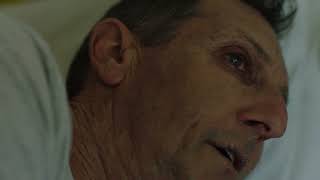
Shared the heart-wrenching final words heard by nurses to prove patients die alone without palliative care.
To break the taboo around death, the campaign shared the heart-wrenching final words of patients as heard by nurses, revealing the tragic reality that most people die in clinical isolation rather than with their families.
Breaking the Taboo of the Isolated Death
200 Nurses and a $10,000 Budget
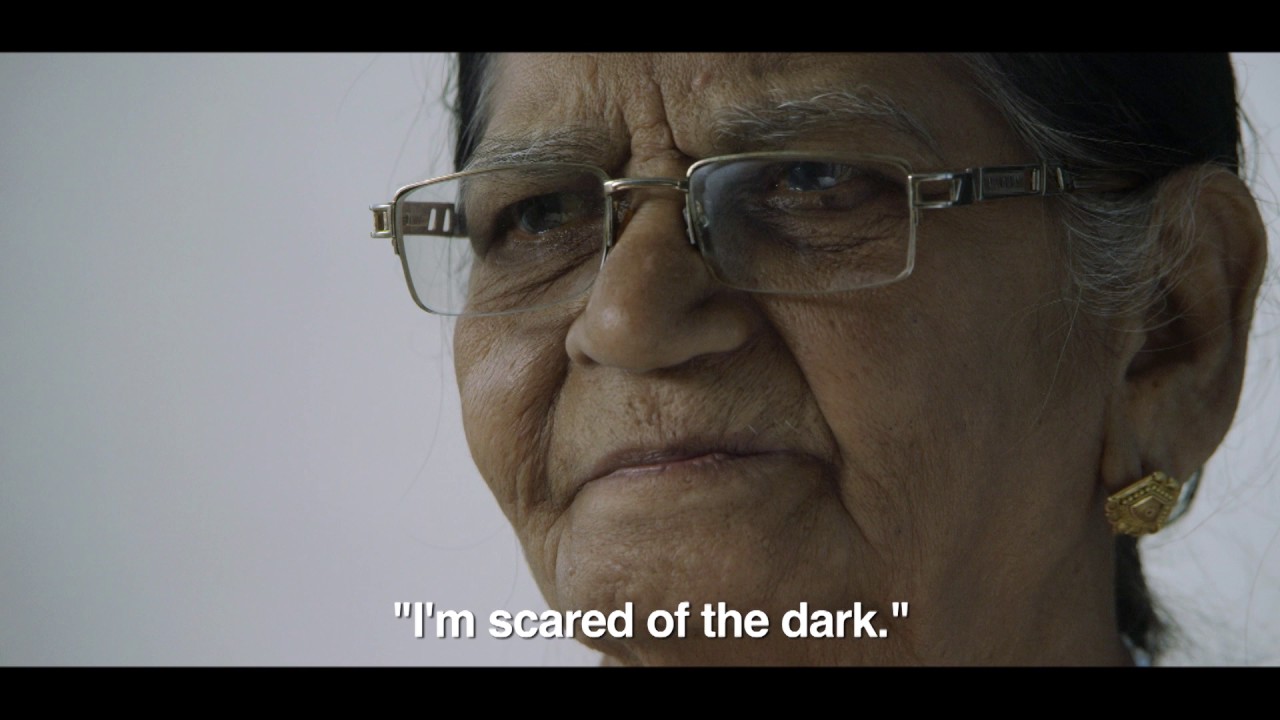
To capture the raw reality of end - of - life care, the creative team at Medulla Communications spent three months interviewing over 200 nurses. This research uncovered a haunting insight: because terminally ill patients in India are often kept in intensive care until the very end, their final words are spoken to medical staff rather than family. The campaign featured real nurses, including a nurse named Shamina, who recounted these authentic final moments to the camera. Despite a media budget of less than $10,000, the emotional weight of these testimonies generated over $3 million in earned media value and reached 100 million people on social media.
Shifting the Medical Mindset
 The impact extended far beyond public awareness, reaching 50% of the 100,000 socially active doctors in India. This was critical in a culture where death is a significant taboo and the medical default is to prolong life at any cost. By highlighting the "quality of death," the campaign prompted a measurable surge in doctors pledging to integrate palliative care into their practices. Praful Akali noted that as an independent agency with "shallow pockets," they relied on this emotional resonance rather than "carpet bombing" traditional media.
From Last Words to Last Laughs
The project’s success was so profound that it sparked a 2017 sequel titled "Last Laugh." In this follow - up, terminally ill patients performed stand - up comedy about their own mortality, further dismantling the social stigma surrounding death. The original "Last Words" film was eventually adopted by palliative care associations globally, proving that a localized cultural insight could resonate as a universal human truth.
Creative Strategy Deconstructed
Company
A network of palliative care experts dedicated to providing dignity and comfort during the final stages of life.
Category
Healthcare marketing typically focuses on recovery and life-saving procedures, ignoring the inevitability and emotional reality of death.
Customer
Families and doctors who prioritize aggressive medical intervention over the emotional need for a peaceful, shared goodbye.
Culture
A cultural taboo surrounding death prevents families from discussing end-of-life wishes, leading to isolated, clinical passing in ICUs.
Company
A network of palliative care experts dedicated to providing dignity and comfort during the final stages of life.
Category
Healthcare marketing typically focuses on recovery and life-saving procedures, ignoring the inevitability and emotional reality of death.
Strategy:
Expose the emotional void created by clinical isolation to advocate for a more human-centric approach to finality.
Customer
Families and doctors who prioritize aggressive medical intervention over the emotional need for a peaceful, shared goodbye.
Culture
A cultural taboo surrounding death prevents families from discussing end-of-life wishes, leading to isolated, clinical passing in ICUs.
Strategy:
Expose the emotional void created by clinical isolation to advocate for a more human-centric approach to finality.
Results
The campaign achieved significant impact, garnering over 100 million impressions on social and digital media. The film was viewed over half a million times, and thousands of personal last words were shared by the community. It reached 50% of the 100,000 socially active Indian doctors. The campaign generated 8 million rupees ($120K) in unpaid media and trended at #3 all-India on Twitter. Furthermore, palliative care associations worldwide and members of parliament endorsed and promoted the cause, leading to policy change initiatives.
100M+
impressions on social and digital media
50%
reach among socially active Indian doctors
#3
trending topic on Twitter in India
Strategy Technique
Find the Missing Conversation
In a culture where death is a significant taboo, the campaign forced a public dialogue by focusing on the emotional weight of missed final connections rather than clinical end-of-life statistics.
Explore Technique
Creative Technique
Spotlight the Overlooked
It centers on nurses, the silent witnesses to death, to expose a hidden truth: families often miss their loved ones' final moments due to a medical system focused solely on prolonging life.
Explore Technique
Craft Breakdown
The campaign's power lies in its profound human insight and the raw, authentic performances of the nurses, which turn a clinical issue into a deeply personal one.
The nurses' delivery of the patients' last words is incredibly authentic and emotionally charged, making the stories feel immediate and real.
The script masterfully balances hard-hitting statistics with deeply moving personal narratives, creating a compelling case for palliative care.
The intimate close-ups during the interviews capture every nuance of emotion, while the hospital footage provides a grounded, realistic context.
The consistent use of a muted, clinical color palette reinforces the hospital setting while allowing the human stories to stand out.
“The synergy between the raw emotional testimony of the nurses and the clear, purposeful copywriting creates a powerful narrative that is both informative and deeply moving.”