Pfizer: Graffiti
Pfizer sought to broaden its brand perception beyond just medication, aiming to demonstrate a commitment to holistic patient well-being. The client needed to connect emotionally with patients and caregivers, showcasing that true health involves more than just pharmaceutical solutions, thereby building deeper brand affinity.
Creative Idea
Graffiti, initially illicit, was revealed as a profound message of hope for an ill child.
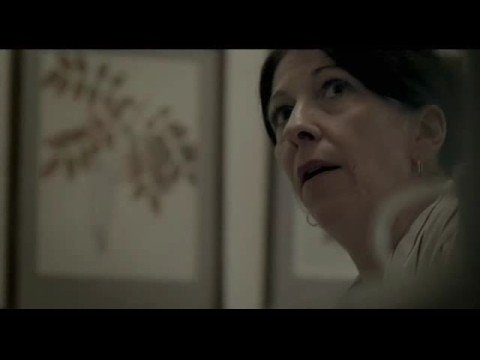
Pfizer's 'Graffiti' campaign masterfully reversed initial perceptions of illicit activity, revealing a young man's clandestine street art as a profound, vibrant mural of 'BE BRAVE' for an ill girl, powerfully demonstrating that true healing extends beyond medication to include hope and human connection.
Turning Urban Delinquency into a Message of Hope
The Art of the Misdirection
Executive Creative Director Aaron Starkman and the team at Zig (now CP+B Toronto) intentionally utilized a "twist" format to subvert viewer expectations. By filming in a gritty, low-budget indie style, director John Mastromonaco leaned into the visual language of urban delinquency. The goal was to make the audience judge the protagonist as a "thug" or vandal before revealing his true motivation. This emotional pivot was designed to humanize the brand by moving away from the "saccharine smiles" and clinical side-effect lists that defined pharmaceutical advertising in 2008.
More Than a Viral Video
 The campaign served as the flagship for the More Than Medication platform, a permanent shift in Pfizer Canada's brand strategy. Beyond the 315,000+ views on a single YouTube upload - a significant feat in the early days of social video - the project had a direct charitable component. Pfizer donated $5 to the Starlight Children's Foundation for every time the video was shared from the campaign site. To drive engagement, the original website allowed users to choose from six different graffiti messages, such as "Stay Strong" or "Keep Fighting," to send to loved ones.
Shifting the Corporate Needle
The impact on brand sentiment was measurable and immediate. Veronica Piacek of Pfizer Canada noted that the film helped move the needle on the perception that drug companies prioritize "profits before people." By focusing on the environment and emotional support of a patient rather than a specific product, Pfizer saw a marked increase in its "trust" and "brand favorability" scores. The success of this "film" approach eventually led to the 2012 launch of the Smidge mobile app and a dedicated wellness ecosystem.
Creative Strategy Deconstructed
Company
Pfizer, a pharmaceutical giant, aimed to credibly expand its brand narrative beyond medication to encompass holistic well-being and human connection.
Category
Pharmaceutical advertising typically focuses on product efficacy or patient testimonials, often overlooking the broader emotional and social aspects of healing.
Customer
Patients and their families deeply desired emotional support, hope, and a sense of community, recognizing that healing extends beyond medical treatment alone.
Culture
The cultural appreciation for acts of kindness, community support, and art's power to inspire hope made the campaign's message resonate deeply.
Company
Pfizer, a pharmaceutical giant, aimed to credibly expand its brand narrative beyond medication to encompass holistic well-being and human connection.
Category
Pharmaceutical advertising typically focuses on product efficacy or patient testimonials, often overlooking the broader emotional and social aspects of healing.
Strategy:
Elevate holistic well-being as essential to health beyond medical intervention.
Customer
Patients and their families deeply desired emotional support, hope, and a sense of community, recognizing that healing extends beyond medical treatment alone.
Culture
The cultural appreciation for acts of kindness, community support, and art's power to inspire hope made the campaign's message resonate deeply.
Strategy:
Elevate holistic well-being as essential to health beyond medical intervention.
Strategy Technique
Dramatize the Invisible Benefit
The campaign visually manifests the often-overlooked emotional support crucial for healing, beyond just medication. It transforms the abstract idea of 'more than medication' into a tangible, inspiring act of hope.
Explore Technique
Creative Technique
Reverse Expectations
The ad deliberately misleads viewers, portraying a young man's actions as illicit graffiti. This initial tension is dramatically resolved, revealing his art as a heartfelt message of hope for an ill child.
Explore Technique
Craft Breakdown
This campaign's craft is exceptional in its masterful use of visual storytelling and emotional transformation. It successfully recontextualizes an act of 'vandalism' into one of profound love and hope, driven by strong visual and auditory execution.
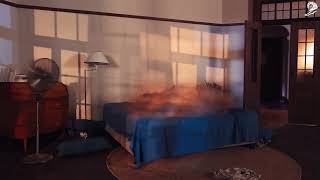
The camera work, lighting, and framing are expertly crafted to convey the shifting mood, from the gritty tension of the night scenes to the tender warmth of the family moments, and the final sweeping reveal of the mural.
The stark contrast between the urban environment and the cozy home, and especially the vibrant, impactful design of the 'Be Brave' mural, demonstrate excellent visual planning and execution.
The original score is critical in guiding the emotional journey, perfectly transitioning from suspenseful to deeply moving and uplifting, enhancing the narrative's impact without dialogue.
The concluding tagline, 'Sometimes it takes more than medication,' powerfully encapsulates the ad's message, providing an insightful and memorable connection to the brand's broader purpose.
“The profound emotional impact of this campaign is a testament to the powerful synergy between its compelling cinematography, transformative art direction, evocative musical score, and the concise, impactful closing copy.”