Pediatric Brain Tumor Foundation: Imaginary Friend Society
The Pediatric Brain Tumor Foundation tasked RPA with expanding their mission. They needed to help children and families navigate the terrifying experience of a cancer diagnosis. The goal was to create resources that reduced anxiety by explaining complex medical procedures and terminology in a way that was accessible, engaging, and comforting for young patients during their long and grueling treatment journeys.
Creative Idea
Created a society of animated imaginary friends to explain scary medical procedures to children.
The campaign simplified the terrifying experience of pediatric cancer by creating a series of animated films where whimsical imaginary friends translated complex medical procedures into relatable kid-speak, empowering children with the understanding needed to face treatment with less fear.
Twenty Two Studios and One Giant Camera
The Pro Bono Powerhouse
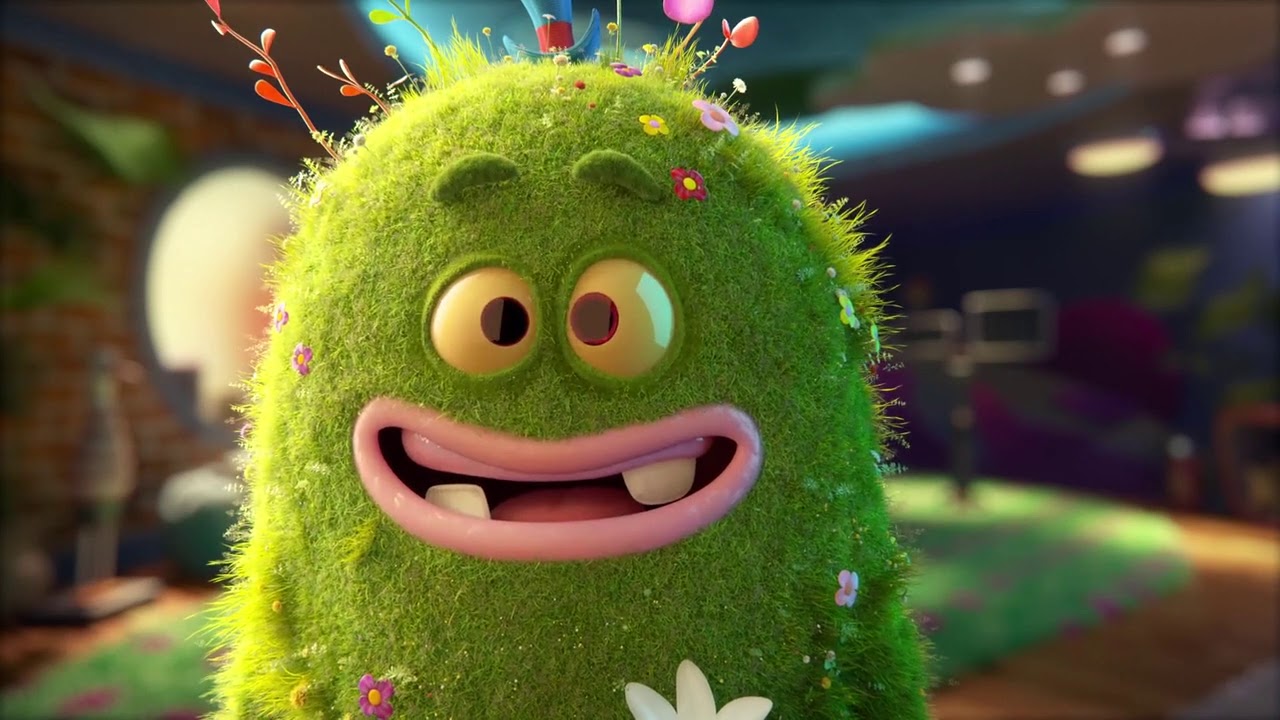
To bring the Imaginary Friend Society to life, RPA orchestrated a massive collaborative effort involving 22 world-class animation studios who all worked pro bono. While RPA provided the scripts, they granted each studio total creative freedom over visual styles. This resulted in a diverse aesthetic "society" where characters like Sully (the hair loss expert) and Hank (the hermit crab explaining hospital stays) look entirely different but inhabit the same universe. Notable contributors included The Mill, Psyop, Titmouse, and Gentleman Scholar.
Translating Oncology into Kid Speak
The campaign filled a critical medical gap by replacing clinical jargon with relatable metaphors. Instead of "Magnetic Resonance Imaging," the films described a "giant camera that takes pictures of your inside-parts." This approach was rooted in research with pediatric cancer survivors, whose real-life imaginary friends inspired many of the characters. To further bridge the gap between screen and reality, an AR app allowed children to project these friends onto actual hospital equipment, such as seeing a character "sit" on an MRI machine to make it less intimidating.
Global Scale and Honda Roots
The project originated from RPA’s long-standing relationship with Honda, a major supporter of the Pediatric Brain Tumor Foundation. What began as a domestic initiative quickly scaled into a global resource. The films were translated into 13 languages, including Mandarin and Arabic, and adopted by premier institutions like Children’s Hospital Los Angeles and Texas Children’s Hospital. Beyond digital media, the initiative manifested physically through thousands of user-submitted drawings that were transformed into dolls and posters for hospital rooms.
Creative Strategy Deconstructed
Company
A foundation dedicated to the care aspect of their mission beyond just finding a medical cure for childhood cancer.
Category
Healthcare resources for children are often overly clinical, frightening, or written for adults rather than the young patients.
Customer
Children facing cancer feel overwhelmed and terrified by mysterious medical procedures they do not understand.
Culture
The universal childhood concept of imaginary friends provides a safe, comforting bridge between scary reality and playful imagination.
Company
A foundation dedicated to the care aspect of their mission beyond just finding a medical cure for childhood cancer.
Category
Healthcare resources for children are often overly clinical, frightening, or written for adults rather than the young patients.
Strategy:
Translate complex institutional language into a child's vernacular to replace clinical fear with imaginative understanding.
Customer
Children facing cancer feel overwhelmed and terrified by mysterious medical procedures they do not understand.
Culture
The universal childhood concept of imaginary friends provides a safe, comforting bridge between scary reality and playful imagination.
Strategy:
Translate complex institutional language into a child's vernacular to replace clinical fear with imaginative understanding.
Results
The campaign successfully translated complex medical procedures into child-friendly content through 22 short films and 22 different animation studios. It achieved significant emotional impact, as evidenced by social media sentiment such as 'I'm in tears. Can't stop watching these' and 'Work like this gives me hope'. The project garnered international recognition from major industry publications like The Drum. Beyond digital content, the campaign resulted in tangible support tools including AR mobile app interactions, physical dolls for MRI machines, coloring books, journals, and inspirational posters distributed in hospitals. The initiative fostered a global community of support through social media character donations, creating a comprehensive ecosystem of care for pediatric cancer patients.
22
Short films produced
22
Global animation studios involved
100%
Positive community sentiment
Strategy Technique
Build an Utility, Not an Ad
Instead of a traditional awareness campaign, the foundation built a comprehensive educational toolkit that solved a functional gap in pediatric oncology care, providing long-term value to patients and hospitals.
Explore Technique
Creative Technique
Character
The campaign uses a diverse cast of animated characters to act as relatable guides, humanizing clinical environments and providing emotional support through a medium children naturally trust and enjoy.
Explore Technique
Craft Breakdown
The campaign's excellence lies in its massive collaborative scale and the high-quality translation of complex medical information into accessible, charming animation.
The use of 22 different studios creates a rich, diverse visual tapestry that keeps the content engaging for children.
The script masterfully simplifies daunting medical terminology into relatable 'kid-speak' without losing accuracy.
The character designs are distinct, memorable, and specifically engineered to be approachable and comforting.
The integration of AR technology brings the characters into the patient's physical space, providing a unique form of companionship.
“The synergy between empathetic copywriting and diverse animation styles turns a frightening medical reality into a manageable, even magical, narrative for children.”