Most brands treat the marketing landscape like a polite rental agreement: you pay the fee, you occupy the slot, and you hope the neighbors notice your curtains. But there is a subset of creative thinkers who treat the world’s digital and physical infrastructure like a puzzle box waiting to be picked. They don't buy their way in; they find the back door that someone forgot to lock. This is the art of "System Hacking," where the creative brief isn't a request for a message, but a search for a technical or legal vulnerability that can be weaponized for ROI.
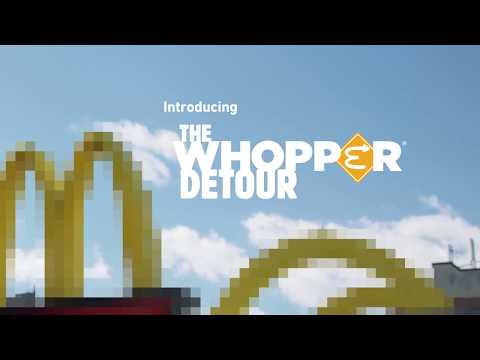
What unites these campaigns is a refusal to accept the "intended use" of a platform. When DHL Trojan Mailing used thermoactive foil to turn rival couriers into walking billboards, they weren't just doing a prank; they were exploiting the physical mechanics of logistics for a production cost of a "mere €5,350." Similarly, the Burger King: Whopper Detour didn't just ask for attention - it geofenced 14,000 McDonald’s locations, effectively turning the world’s largest fast-food footprint into a Burger King vending machine. These brands stand out because they stop trying to "cut through the noise" and instead start messing with the signal itself.

The Algorithm is a Suggestion, Not a Law
Modern advertising usually bows at the altar of the algorithm, but the true hackers know that algorithms are just predictable sets of logic waiting to be nudged. Take General Mills: Hacking Prime Day, which realized that "85% of consumers accept the first recommendation Alexa provides." By forcing a purchase into Amazon’s history via a giveaway, they didn't just move cereal; they bought permanent digital real estate in the machine's brain. It is the same "picaresca" spirit that drove Mailchimp: Did You Mean Mailchimp? to launch a surreal ecosystem of fake brands like "FailChips" - including 200,000 bags of crushed potato chips - just to trigger Google’s autocorrect logic. Most brands want to be the answer; these brands decided to be the question that forces the system to provide the answer they want.
This playlist differs from others because it prioritizes "system-level thinking" over pure storytelling. While a traditional ad might tell you a TV is a masterpiece, Samsung - The Art of Hack realized that in Spain, consumer electronics carry a 21% VAT while art is taxed at only 10%. By building a tool that "classified" a TV purchase as an art acquisition, they turned a tax loophole into a 11% discount for the consumer. It is a masterclass in "utility marketing" that feels less like a sales pitch and more like a secret shared between friends. This isn't just clever copy; it is a structural intervention that changes the price of the product by understanding the law better than the government does.
Apologize to the Lawyers, Not the Audience
The reason these campaigns become iconic while others are forgotten is the sheer level of commitment to the bit. Most agencies would have blinked at the legal risk of Nike: Air Max Graffiti Stores, which "hacked" São Paulo’s murals during a government-led "war on graffiti" to turn street art into e-commerce triggers. It required a "phygital" infrastructure that most brands would find too complex or too controversial. But that risk is exactly why it worked. Whether it is BMW - iJack photobombing Google Maps reviews with three electric cars and a smartphone, or Diesel: Go With the Fake trademarking a typo to sell "real fakes" on Canal Street, the magic is in the audacity.
Ultimately, hacking the system is about radical efficiency. It is the realization that a deep understanding of user behavior and platform architecture can replace a multi-million dollar media spend. When you stop looking at the world as a series of ad slots and start seeing it as a series of interconnected systems - legal, technical, and social - you stop being a tenant and start being the architect. These campaigns prove that in a world of "fair play" and "standard practices," the biggest ROI usually belongs to the brand that is willing to pick the lock.