Mini: Fake Viral
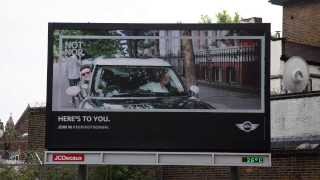
Mini needed to launch the Clubman, including the new ONE model, to a digitally-native audience. The client sought an engaging, shareable campaign that would cut through traditional automotive advertising noise and highlight the car's distinctive appeal.
Creative Idea
Fake viral car stunts were revealed as CGI, playing on digital skepticism.
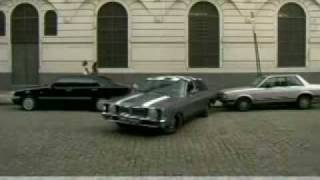
The campaign cleverly parodies the prevalence of fake viral videos by presenting increasingly absurd, CGI-driven Mini Clubman stunts, building tension before revealing the entire scene as a fabricated digital spectacle, thereby engaging a digitally-savvy audience with a knowing wink.
The Art of the Intentional Fail
Fishing Line and Scale Models
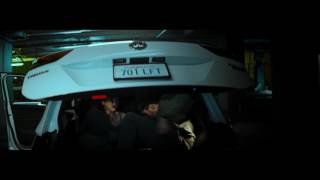
To mock the industry's obsession with "authentic" shaky-cam footage, director Steve Mapp and the team at BSSP utilized 1:18 scale model cars pulled by visible fishing line. While most automotive ads of the era were transitioning to high-end CGI, Mini leaned into a "low-fi" aesthetic to highlight the absurdity of manufactured virality. The production intentionally left in "mistakes," such as obvious wires and low-budget digital effects, to signal to the audience that the brand was in on the joke.
The Internet as a BS Detector
 The campaign served as a direct philosophical pivot from Mini’s 2004 "Viral" work by CP+B, which had attempted to trick the public with hoaxes like the Mini Robot. By 2009, executive creative director John Butler noted that the internet had become a "giant BS detector." He famously stated that if a brand tries to fake it, the audience will "kill you," but if you admit you are faking it, "they’ll love you." This strategy of radical transparency helped the campaign garner millions of views and drove a double-digit increase in web traffic to Mini USA.
Memos and Meta Marketing
The campaign extended beyond the video into a dedicated microsite featuring "leaked" internal memos. These documents featured fake Mini executives complaining that the stunts "didn't look amateur enough," further satirizing the corporate desperation to appear "cool" and "unfiltered." This meta-commentary is now cited by industry experts as a turning point that paved the way for the self-aware advertising styles later popularized by brands like Old Spice and Maximum Effort.
Creative Strategy Deconstructed
Company
Mini could credibly deliver unconventional, playful, and digitally-aware advertising that challenges traditional car marketing.
Category
Car advertising often relies on realistic driving, performance, or aspirational lifestyle imagery, rarely breaking the fourth wall.
Customer
Audiences are increasingly savvy about online content, often questioning authenticity, yet are still drawn to spectacular and shareable moments.
Culture
The pervasive nature of viral videos, CGI, and the cultural conversation around "fake" online content provided a relevant backdrop.
Company
Mini could credibly deliver unconventional, playful, and digitally-aware advertising that challenges traditional car marketing.
Category
Car advertising often relies on realistic driving, performance, or aspirational lifestyle imagery, rarely breaking the fourth wall.
Strategy:
Leverage digital media skepticism to create engaging, self-aware brand content that stands out.
Customer
Audiences are increasingly savvy about online content, often questioning authenticity, yet are still drawn to spectacular and shareable moments.
Culture
The pervasive nature of viral videos, CGI, and the cultural conversation around "fake" online content provided a relevant backdrop.
Strategy:
Leverage digital media skepticism to create engaging, self-aware brand content that stands out.
Strategy Technique
Find the Cultural Truth
The campaign taps into the widespread cultural phenomenon of viral videos and the growing skepticism about their authenticity. It leverages this awareness to create a relatable and surprising narrative.
Explore Technique
Creative Technique
Reverse Expectations
The ad initially presents a realistic driving scenario, then escalates to impossible stunts. This builds tension and then subverts viewer expectations by revealing the entire scene is a fake, CGI-driven viral video.
Explore Technique
Craft Breakdown
This campaign's craft is exceptional in its seamless blend of realistic, seemingly amateur footage with highly sophisticated and humorous visual effects, creating a genuinely surprising and memorable narrative.
The CGI is masterfully integrated, designed to initially appear real and dangerous, then progressively absurd, before being revealed as intentional 'fakes' with exaggerated physics.
The narrative cleverly builds tension through everyday driving observations before introducing surreal elements, leading to a satisfying twist that underpins the product message.
The use of realistic ambient highway sounds, combined with exaggerated, almost cartoonish sound effects for the impossible car stunts, enhances the immersion and then the comedic reveal.
The dialogue feels authentic and improvised, expertly guiding the audience through the emotional shifts, and the final taglines deliver the punchline effectively.
“The campaign's impact stems from the brilliant synergy between realistic cinematography, authentic dialogue, and increasingly outlandish visual effects, which together create a compelling and humorous narrative that delivers a clear brand message.”