Penguin Random House - The Portuguese (Re)Constitution
Companhia Das Letras and Penguin Random House tasked FCB Lisbon to celebrate the anniversary of Portugal's liberation from fascism. They sought to demonstrate their deep connection to Portuguese culture by creating a project that would resonate with the public, generate significant media attention, and become a lasting cultural artifact.
Creative Idea
Artists used the blue pencil of censorship to create freedom poems from a fascist constitution.
Penguin Books transformed Portugal's fascist constitution into a book of blackout poetry by reappropriating the 'blue pencil' symbol of censorship, thereby celebrating freedom of expression and connecting the brand deeply to Portuguese culture and history.
Turning the Censors Blue Pencil Against Itself
A Year of Subversive Craft
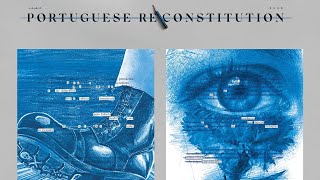
The production of the (Re)Constitution was a meticulous twelve month undertaking. The first six months were dedicated to 20 poets who performed "blackout poetry" on the 1933 Fascist Constitution, hunting for hidden messages of liberty within the oppressive legal jargon. Once the text was finalized, 12 illustrators spent another half year creating 58 original illustrations. They utilized the infamous lápis azul (blue pencil) - the primary tool used by the regime’s censors for 48 years - to "strike out" the remaining fascist text, effectively turning a symbol of silence into a medium for artistic liberation.
From Bestseller to National Curriculum
The campaign’s impact extended far beyond the advertising industry. The initial print run of 2,500 copies sold out almost immediately, prompting a second edition and earning the book a spot on Portugal’s National Reading Plan. It is now used in schools to teach the history of the Carnation Revolution through art. Furthermore, the project achieved a permanent home in the Aljube Museum Resistance and Freedom, a site that formerly served as a political prison for those the regime once silenced.
Breaking Records and Sentiment
The project generated approximately $1 million in earned media value and maintained a staggering 99% positive sentiment across social platforms. By re-appropriating a "primitive" tool like a pencil in a digital-first era, FCB Lisbon secured Portugal’s first-ever Cannes Lions Grand Prix. As jury president Lisa Smith noted, the work represented the highest form of craft by transforming a dry, fascist document into a "beautiful message of freedom of speech."
Creative Strategy Deconstructed
Company
Penguin Random House, a leading publisher, aimed to deeply connect with Portuguese culture and history through a meaningful literary project.
Category
Publishers typically promote new literary works; this campaign uniquely reinterpreted a historical document as a new artistic creation.
Customer
The Portuguese audience desired a powerful, artistic way to remember their history and celebrate the hard-won freedom from dictatorship.
Culture
The anniversary of the Carnation Revolution provided a timely cultural moment to reflect on freedom and artistic expression in Portugal.
Company
Penguin Random House, a leading publisher, aimed to deeply connect with Portuguese culture and history through a meaningful literary project.
Category
Publishers typically promote new literary works; this campaign uniquely reinterpreted a historical document as a new artistic creation.
Strategy:
Reappropriate a symbol of historical oppression to celebrate enduring values of freedom and artistic expression.
Customer
The Portuguese audience desired a powerful, artistic way to remember their history and celebrate the hard-won freedom from dictatorship.
Culture
The anniversary of the Carnation Revolution provided a timely cultural moment to reflect on freedom and artistic expression in Portugal.
Strategy:
Reappropriate a symbol of historical oppression to celebrate enduring values of freedom and artistic expression.
Results
The book grabbed the attention of the Portuguese people and the media, quickly becoming a bestseller. It earned 100 thousand euros in earned media. It became part of the permanent collection of the Aljube Museum, which is based in a former political prison. It is being used at schools to teach students the history of the revolution through art.
100K
Euros in earned media
Bestseller
Sales status
Permanent collection
Aljube Museum inclusion
Strategy Technique
Find the Cultural Truth
The campaign deeply tapped into Portugal's painful historical truth of fascist censorship and the symbolic blue pencil. It transformed this cultural wound into a powerful celebration of hard-won freedom and artistic expression.
Explore Technique
Creative Technique
Reverse Expectations
The campaign reversed the meaning of the 'blue pencil' - a symbol of fascist censorship - by having artists use it to create poems celebrating freedom from the original constitution. This transformation turned a tool of repression into one of liberation and artistic expression.
Explore Technique
Craft Breakdown
This campaign's craft is exceptional in its conceptual design and art direction, transforming a symbol of repression into a powerful artistic statement that celebrates freedom of speech and historical memory.
The visual transformation of the fascist constitution using blue blackout poetry and illustrations is a stunning and deeply symbolic artistic choice.
The core idea of repurposing the instrument of censorship (the blue pencil) to create art from the censored document itself is incredibly insightful and impactful.
The diverse and powerful blue illustrations effectively convey themes of freedom, love, and resistance, complementing the blackout poetry.
The blackout poetry itself is a brilliant form of copywriting, demonstrating creativity and profound meaning by selecting words from a repressive text to form messages of liberation.
“The campaign's magic truly comes from the seamless synergy between the conceptual design, art direction, and the unique blackout poetry technique, all working together to convey a powerful message of freedom and cultural pride.”